

Our Founding Story
Every year, Australians throw away roughly 2 billion disposable nappies. That's an estimated 500,000 trees worth of pulp and around 500 million litres of crude oil
Spent on something a baby wears for a few hours.
Every year, Australians throw away roughly 2 billion disposable nappies. That's an estimated 500,000 trees worth of pulp and around 500 million litres of crude oil, spent on something a baby wears for a few hours.
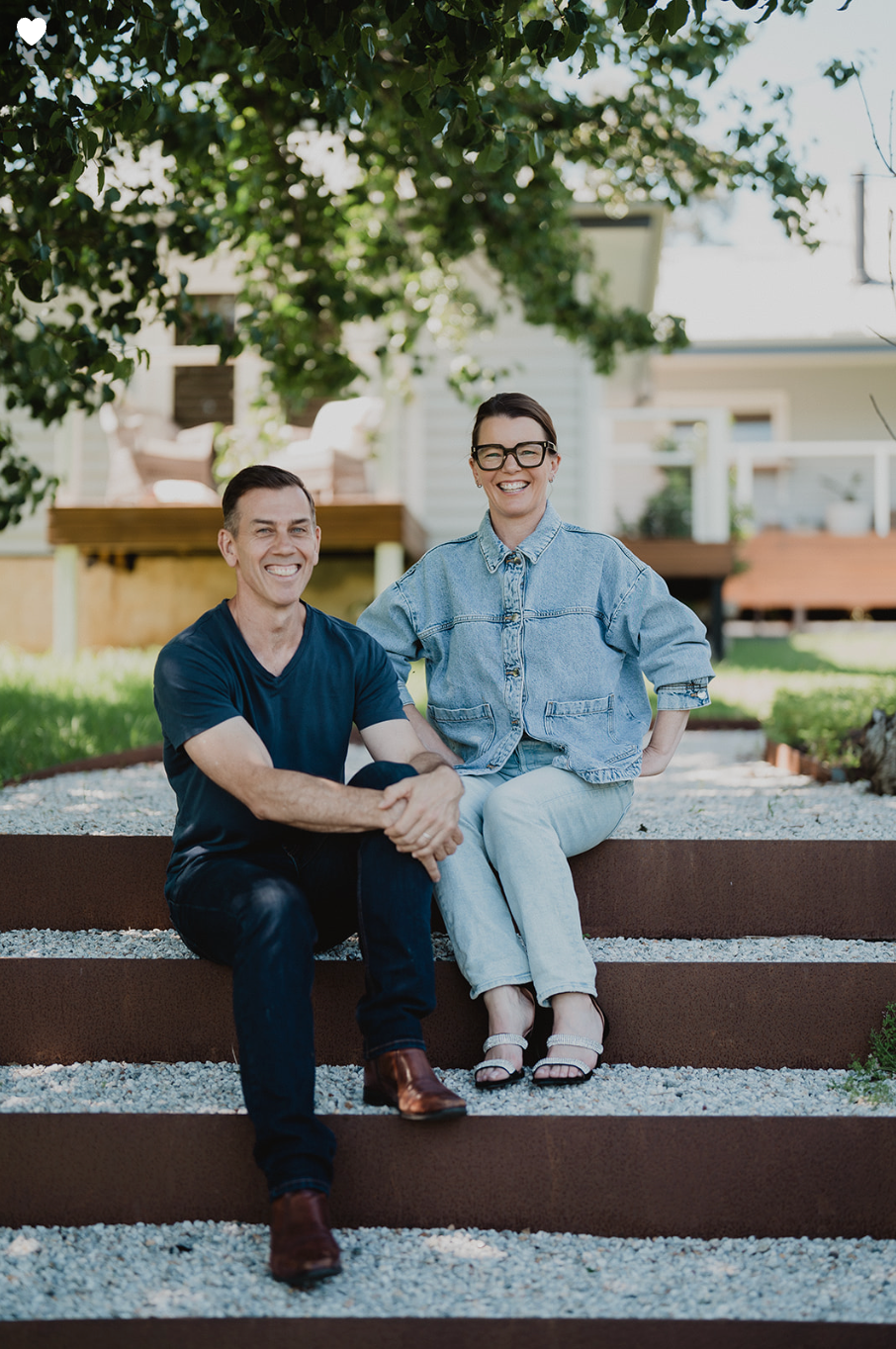
Georgina and Damien looked at that number the way designers look at most problems: not as something to feel bad about, but as something to fix. And like most new parents, they wanted the safest products for their kids — but everything on the shelf meant choosing between "safe for my child" and "safe for the planet my child will inherit." That's not a choice anyone should have to make. So they set out to remove it.
The mission was simple to say, harder to do: 0 to 3, Plastic-Free — genuinely plastic-free essentials for a child's first three years, without the trade-offs. Not a niche "eco" alternative sitting apart from the products people already trust, but something that goes head-to-head with them on price and performance, minus the plastic.
We started with plant-based biopolymers engineered to actually break down, instead of sitting in landfill for centuries. Genuinely compostable, genuinely plastic-free — still the bar every ZERO product has to clear today.
We built it in the right order, too. Rather than launching straight into the hardest problem, we started with the products in our range now — cling wrap, wipes, food storage, cleaning — every one plastic-free, home compostable, built to actually work. Each one is also a step toward what we set out to do in the first place: bring a fully compostable, plastic-free nappy to life, made properly rather than compromised by what's already on the shelf.
We're still early, and there's a lot left to build. But the question hasn't changed since day one: why should doing right by your family and doing right by the planet be two different choices? We don't think they should be. So we're building the products where they're not.
We didn't want to build another 'eco' brand people feel virtuous about.
We wanted to build products people actually reach for — because they're better, full stop!