
Microfibre or cotton? They clean in different ways, and one of them is made from plastic. Here's the quick version, plus a third option that skips the plastic altogether.
How microfibre works
Microfibre is a synthetic fabric, usually a blend of polyester and polyamide. The fibres are split into very fine strands, which creates lots of tiny edges that grab dust and grease. That's why it's popular for glass and dusting.
The catch: polyester and polyamide are plastics. Synthetic textiles shed tiny fibres during use and in the wash, and many of those fibres are too small to be caught by washing machines and treatment plants. Microfibre also needs fussy care. Fabric softener clogs the fibres, high heat damages them, and it's best washed on its own.
How cotton works
Cotton is a plant fibre that draws water into the fibre itself, so it soaks up spills well. It's great for drying dishes and mopping up. It can be slow to dry, it can leave lint, and new cotton often needs a couple of washes before it reaches full absorbency.
Side by side
- Material: microfibre is synthetic (plastic); cotton is a plant fibre.
- Best at: microfibre for dust and glass; cotton for soaking up spills and drying.
- Care: microfibre needs no softener, low heat and its own load; cotton is easy-going.
- Drying: cotton is slower to dry, so hang it out properly between uses.
What are microplastics, and where do cloths fit in?
Microplastics are plastic particles smaller than 5 millimetres. Researchers usually group them in two ways:
- Primary microplastics are small from the start, like microbeads or fibres shed from synthetic fabrics.
- Secondary microplastics form when larger plastic items break into smaller and smaller pieces.
Conventional plastics don't break down. They just get smaller, which is why microplastics have been found everywhere from oceans and soil to the air indoors. Synthetic cleaning cloths are one small source among many, but they're also one of the easiest to swap.
If you're keeping microfibre for now, you can cut down shedding: wash it less often, wash it cool, and wash full loads.
The plastic-free option: plant-fibre cloths
ZERO Reusable Cleaning Cloths are made from timber viscose, a plant-based fibre made from wood pulp. No polyester, no polyamide. They're soft, absorbent and reusable, and they handle the everyday stuff that makes up most of a cleaning routine: benches, spills, sinks and general wiping.
- Everyday wiping: ZERO Reusable Cleaning Cloths.
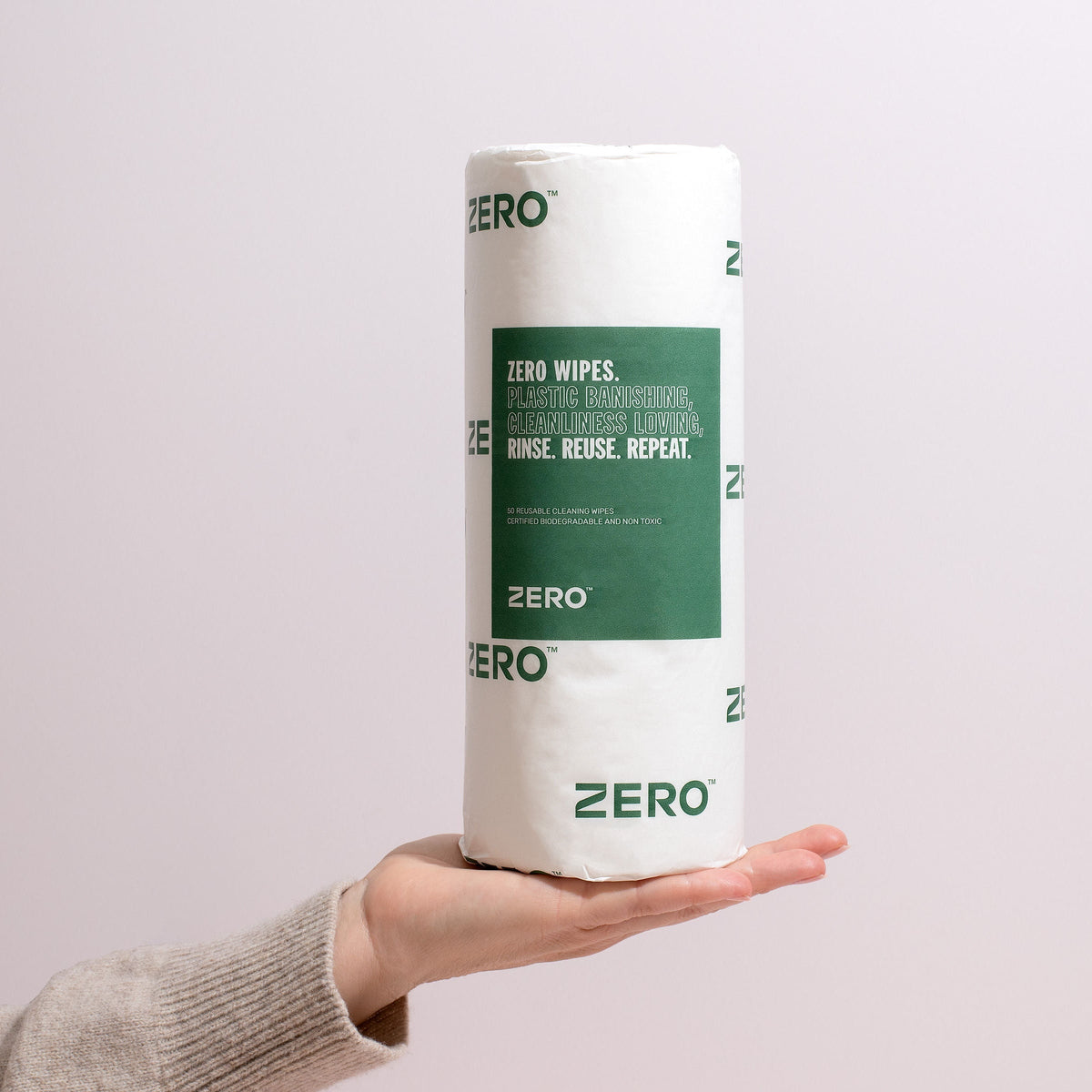
- Quick wipe-downs: ZERO Cleaning Wipes, dry timber viscose wipes you use dry or damp, then rinse and reuse.
- Glass: a damp ZERO cloth, then buff dry.
- Drying dishes: a cotton tea towel.
Running a cafe or busy kitchen? The ZERO Commercial Cleaning Cloth is a timber viscose cloth on a roll, designed with chefs and certified biodegradable in soil (TÜV Austria OK biodegradable SOIL). You can add it to your home compost too.
Care tips for any cloth
- Rinse after use, wring out and hang to dry with airflow.
- Skip fabric softener.
- Rotate a few cloths so each one dries fully.
- Retire cloths that are thin, torn or smell after a wash.
More on choosing a cloth in our guide to the best reusable cleaning cloths for Australian homes.
FAQ
Is microfibre plastic?
Yes. It's usually made from polyester and polyamide, which are synthetic polymers.
Does cotton shed microplastics?
Cotton is a plant fibre, not plastic, so the fibres it sheds aren't plastic.
What are ZERO cloths made from?
Timber viscose, a plant-based fibre made from wood pulp.
Do ZERO cloths kill bacteria?
No. They're cleaning cloths, not disinfectants.
Share:
Are flushable wipes safe to flush? What the testing shows
How to dispose of dog poo without plastic