
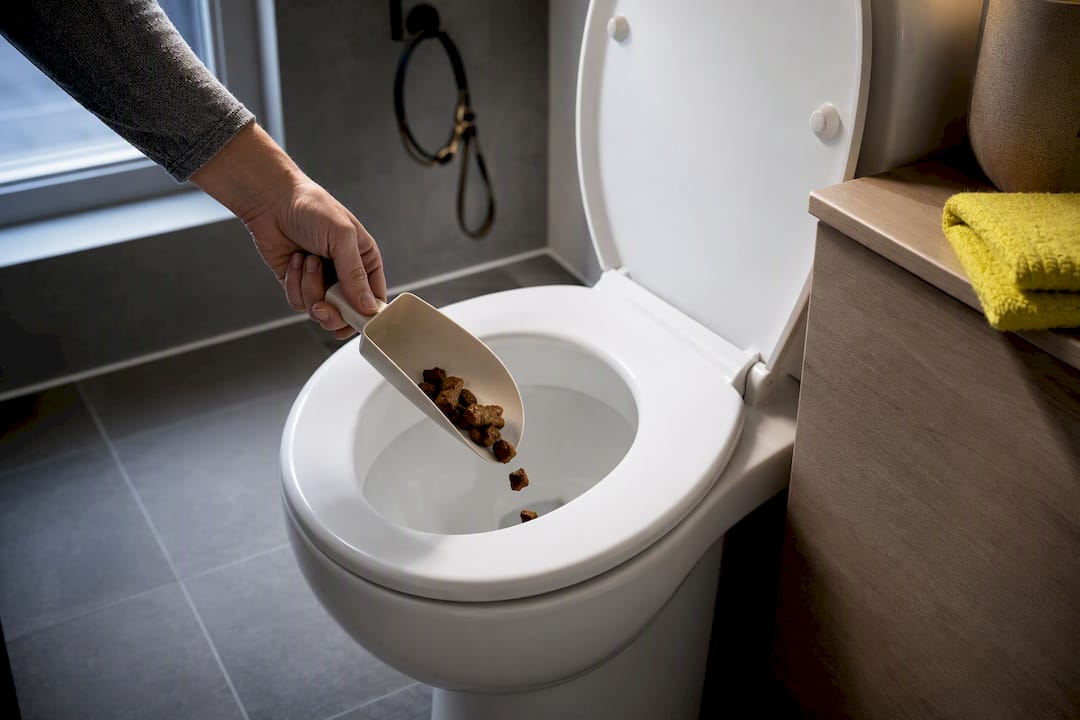
The best plastic-free routes are flushing plain waste down the toilet if you’re on mains sewer, running a backyard pet-waste digester or dedicated composter, using a reusable scoop with a lined brown-material bin at home, or collecting on walks with paper and newspaper. Never flush bags, never use a septic system for pet waste, and keep finished pet compost away from vegetable gardens. The brand offers Puppy Waste Bags designed to address the problem of plastic in the pickup step altogether.
TL;DR:
- Flushing pet waste is only feasible for households connected to mains sewer systems, as septic tanks cannot handle pet waste safely.
- Backyard digesters require proper soil drainage and should be placed away from vegetable gardens and water sources to prevent contamination.
- Flushed waste is treated like human sewage, but never flush bags or waste from septic systems, which are not designed for pet waste.
- Plastic-free collection at home relies on reusable scoops and lined bins with natural materials, while walk collections use paper or biodegradable bags.
- Burying pet waste improperly can spread parasites and is often restricted, so a verified composting system or clipping waste into the trash remains safer.
Table of Contents
- Which plastic-free methods actually work?
- How do you compost dog poop safely?
- Can you flush dog poop, and is it safe?
- Do backyard digesters and burying actually work?
- What should you actually buy for plastic-free collection?
- What mistakes should you avoid?
- Why plastic-free pet waste habits matter more than they look
- Where The Zero Store fits into your routine
- Sources
Which plastic-free methods actually work?
Not every option suits every home, and picking the wrong one usually means giving up within a fortnight. Here’s how the main routes stack up:
- Flushing (unbagged waste only) – Best for houses on municipal sewer connections. Low effort, no ongoing cost, but useless if you’re on septic or live in an apartment with shared plumbing you don’t control.
- Backyard pet-waste digester – Suited to houses with a garden and reasonable drainage. Set-and-forget once installed, though it needs the right soil type and occasional enzyme tablets.
- Reusable scoop plus lined bin – Works anywhere with outdoor access, including small courtyards. Needs a weekly tip-out and a supply of brown material like sawdust or shredded paper.
- Paper or newspaper collection on walks – Ideal for apartment dwellers with no garden. Zero setup cost, but you’re carrying it home for disposal in general rubbish, so it’s not a complete answer on its own.
- Home composting in a dedicated pile – Only for owners with space, patience, and a plan for keeping the finished compost away from edible plants.
- Burying – Rarely a good idea unless you understand depth and water-table rules, and it’s banned in some council areas.
If you want something you can start this week with no investment, paper collection and a reusable scoop win. If you’re happy to spend a bit upfront, a digester or dedicated composter is the closer thing to a permanent fix.
How do you compost dog poop safely?
Composting dog waste is not the same job as composting vegetable peelings. Dog faeces can carry parasites and pathogens that survive a cool, slow compost pile, so a separate system, run hotter and left alone for longer, is essential. Mixing it into your regular kitchen compost risks contaminating soil you might later use on food crops.
A workable home system looks like this:
- Choose a spot at least ten metres from any vegetable bed, vegetable garden, or water source.
- Layer waste with a carbon-rich material such as sawdust, dried leaves, or shredded paper to control smell and speed breakdown, a combination Rodale Institute’s composting guidance recommends for nitrogen-heavy waste like this.
- Monitor the pile’s core temperature; it needs to hold a sustained high heat for several days to kill pathogens.
- Turn regularly and let it cure fully before use.
- Use finished compost only on lawns or ornamental garden beds, never on anything you eat.
Industrial or commercial pet-waste composting services can hit the temperatures a backyard pile often can’t, since specialised facilities are generally the safer bet for actually killing pathogens rather than just slowing them down. Ring your local council or a specialist waste contractor to check whether they accept pet waste before assuming yours does.
Pro Tip: If your compost pile smells sour rather than earthy, you probably need more carbon material and better airflow, not less waste going in.
Can you flush dog poop, and is it safe?
Flushing works, but only under one condition: you’re connected to mains sewer, not a septic tank. Septic systems aren’t built to handle the volume or composition of pet waste, and it can throw the whole system off balance. Seattle Public Utilities’ guidance on pet waste recommends trashing or flushing waste rather than composting it through normal streams, and stresses that pet waste left lying around contaminates stormwater if it isn’t cleared promptly.
The technique is straightforward:
- Scoop the waste directly, or lift it with folded newspaper or a paper bag you’re happy to bin afterwards.
- Carry it home in something leak-proof rather than letting it sit in your car or letterbox.
- Tip the waste alone into the toilet. No bag, ever, even one marketed as flushable.
- Flush and check nothing’s stuck before you walk away.
Flushed waste generally gets treated much like human sewage once it reaches a wastewater plant, according to Pettable’s guide to green dog waste disposal, which makes it a genuinely low-impact option for sewer-connected households. If you’re unsure whether your street runs on sewer or septic, your local water utility or council can tell you in one phone call.
Do backyard digesters and burying actually work?
A pet-waste digester functions like a mini septic tank buried in your yard. Waste goes in, enzyme or microbial tablets break it down, and the residue drains slowly into the surrounding soil. It needs decent drainage to work, and heavy clay soil or a poorly drained block can leave it waterlogged and smelly rather than doing its job quietly underground.
Before installing one:
- Check your soil type; sandy or loamy soil drains far better than clay.
- Site it away from vegetable beds and any water source, since the liquid effluent isn’t safe for food gardens.
- Expect to top up enzyme tablets periodically rather than treating it as maintenance-free forever.
Casual burying, without a digester, is usually the weaker choice. Done properly it needs real depth and distance from waterways to avoid parasite spread, and plenty of councils restrict or ban it outright. If your yard drains well and you want a long-term fix, buy a digester. If your soil is heavy clay, look at composting or the scoop-and-bin method instead.
What should you actually buy for plastic-free collection?
On walks, folded newspaper, recycled paper bags, or a certified paper poop bag all do the job without adding new plastic to the waste stream. Fold and roll the paper to seal in odour, then carry it in a small container until you reach a bin or your compost setup.
At home, a reusable metal or heavy-duty plastic scoop paired with a lidded bucket works well for a lined household bin. Layer in sawdust or shredded paper as your brown material to keep smells down between empties, and if odour is a persistent problem, Master Odor Removal’s guide to pet odour control has practical tips for households managing this daily.
- Walk kit: paper or newspaper, a small carry pouch, a bin at the end of the walk.
- Home kit: reusable scoop, lidded bucket, sawdust or shredded paper for odour control.
- Transport kit: a resealable, plastic-free bag for carrying soiled paper home if you plan to flush it separately.
The Zero Store’s Puppy Waste Bag fits directly into the walk-kit slot for owners who want a dedicated bag rather than folded newspaper, and its resealable food storage bags double up neatly for carrying soiled paper home before flushing.
Pro Tip: Keep a small stash of paper bags by the front door, not in a drawer. The ones you actually use are the ones you can grab in three seconds on the way out.
What mistakes should you avoid?
The word “biodegradable” on a bag tells you almost nothing about how it behaves in a landfill, where low oxygen and low heat can leave plastic fragments sitting for years. Food Packaging Forum’s analysis of oxo-degradable plastics found they fragment into microplastics rather than breaking down properly, which is precisely the pollution problem microplastic research keeps flagging. Certified compostable bags aren’t automatically better either. As Poopbags explains, they usually need industrial composting conditions most household bins can’t provide.
Common pitfalls worth avoiding:
- Flushing any bag, even ones labelled flushable.
- Tossing compostable bags into a kerbside green bin without checking your council accepts pet waste in it.
- Burying waste near a creek, dam, or bore.
- Spreading pet compost on anything you plan to eat.
A bag can be technically compostable and still end up doing nothing but sitting in landfill for a decade. The certification only means something if the waste actually reaches the facility built to process it.
Check for recognised compostability certifications such as AS 5810 or EN 13432 before buying, and confirm with your council what your local green bin and public-space bins actually accept.
Why plastic-free pet waste habits matter more than they look
Most of the noise around dog poop disposal focuses on the bag, when the real decision is what happens after the bag. A compostable label means nothing if the bag ends up in a landfill with no industrial facility nearby, and that’s the gap most owners never think to check. The plastic-free range is built around removing the guesswork: fewer claims, clearer materials, and products designed for practical disposal routes. If you want the specifics on certifications or materials, the product pages on compostable bag standards and how compostable bags behave in landfill go deeper than most packaging ever will.
— Damien
Where The Zero Store fits into your routine
This brand offers products built to fit common plastic-free routines for pet waste disposal.
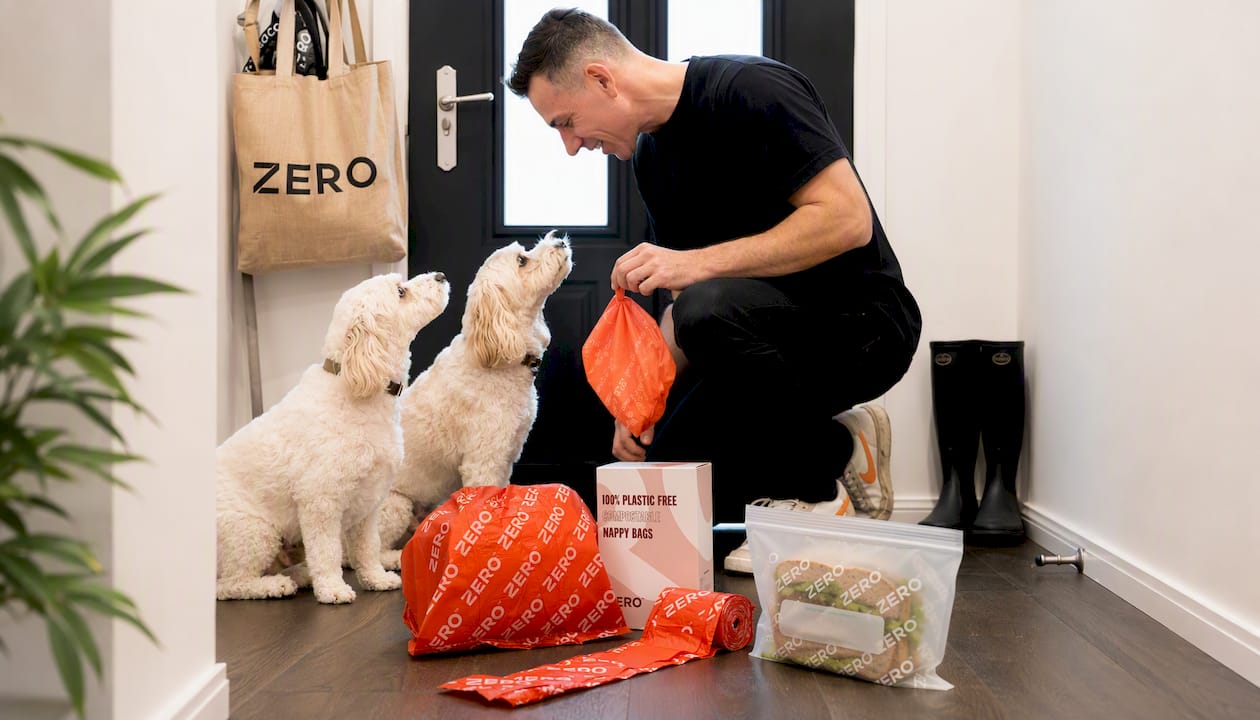
The Puppy Waste Bag is designed for walk-time collection when folded newspaper isn’t practical, and it slots straight into the paper-collection or scoop-and-bin routine without adding new plastic to landfill. The Plastic Free Nappy Waste Bag works just as well for lining a small household bin or bagging soiled brown material before it goes into your compost or general rubbish. Both are genuinely useful for households juggling more than one kind of waste, not just dog owners.
If you’re setting up a home collection kit, start with these two products and see how they fit your existing bin or walk routine. Browse the full range at The Zero Store and find the option that matches how you already manage waste at home.
Sources
- Seattle Public Utilities — pet waste guidance
- Food Packaging Forum — environmental impact of oxo‑degradable plastics
- Wikipedia — Microplastics
- Poopbags
Share:
Australian homes: Microfiber or Cotton, plus a Plastic Free Swap
Pregnancy Safe Wipes: 5 Ingredients to Avoid and the Unscented Trap