
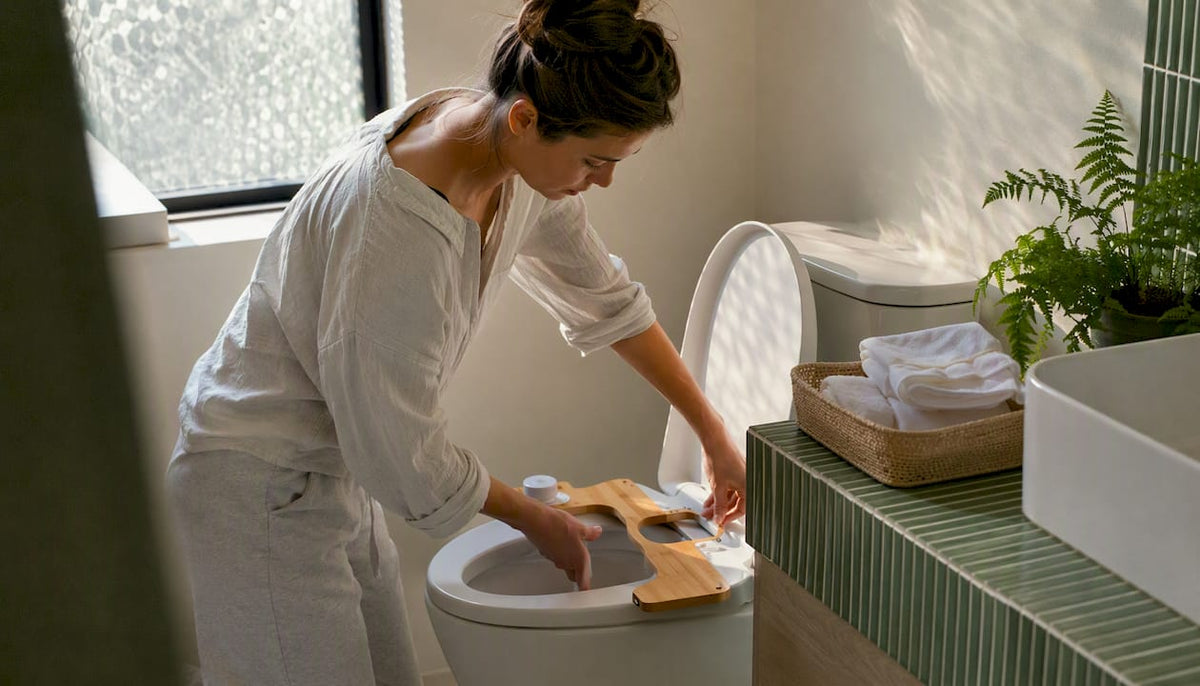
The best flushable wipes alternatives are a bidet or bidet attachment, toilet paper moistened with a septic-safe foam or spray, reusable washable cloths, and plant-based biodegradable wipes disposed of in the bin or a validated home composter. Do not flush any wipe, regardless of what the label says. GOV.UK has moved to ban certain plastic wet wipes to protect rivers and seas, and the UK water industry is unambiguous: wipes do not break down like toilet paper and they block pipes.
Quick swaps by household type:
- Families with children: plant-based biodegradable baby wipes (bin or compost correctly) plus a bidet attachment on the main toilet
- Renters: toilet paper plus a septic-safe foam or spray, no installation needed
- Septic tank households: bidet or foam/spray only; never introduce non-dispersible fibres to a septic system
- Eco shoppers wanting pre-made options: The Zero Store’s plastic-free wipe range covers baby, makeup, and cleaning use cases
Table of Contents
- Why ‘flushable’ wipes still block UK pipes and sewers
- Practical alternatives: which option suits your household?
- How to choose the right alternative for your household
- DIY: how to make a moist wipe from toilet paper
- Disposal rules: why ‘compostable’ does not mean ‘flushable’
- The short verdict
- Key takeaways
- The case for cutting wipes out entirely
- Plastic-free wipes from The Zero Store
- Useful sources and further reading
Why ‘flushable’ wipes still block UK pipes and sewers
The word “flushable” on a wipe packet describes what happens when you press the flush lever. It says nothing about what happens next. Unlike toilet paper, which begins disintegrating within seconds of hitting water, most wipes retain their fibrous structure long enough to travel through household pipes and accumulate in sewer networks.
Once there, they bind with cooking fat, grease, and other debris to form fatbergs. These are not a minor nuisance. The UK water industry has documented blockages costing tens of millions of pounds annually to clear, with wet wipes consistently identified as a primary contributor. Water UK has described the wet wipe ban as a step in the right direction, but the ban covers only plastic-containing wipes, not all wipes. Plant-based and “biodegradable” wipes still pose a risk if flushed, because biodegradation in a sewer is not the same as biodegradation in a composter.
For households on a septic tank, the risk is more immediate. A septic system relies on bacterial breakdown of organic matter. Non-dispersible fibres accumulate in the tank, reduce its capacity, and can cause costly pump-outs or system failures.
Practical alternatives: which option suits your household?
The four main categories cover almost every household situation. A bidet is the best long-term swap for most people. Toilet paper plus foam or spray is the easiest low-cost change. Reusable cloths suit households with a laundering routine. Plant-based biodegradable wipes work as a transitional option when disposed of correctly.
| Category | Upfront cost | Ongoing cost | Plumbing safe | Waste footprint | Best for |
|---|---|---|---|---|---|
| Bidet / attachment | under £40 | Very low | Yes | Minimal | Most households |
| Toilet paper + foam/spray | Low | Low | Yes | Low | Renters, travel |
| Reusable washable cloths | Low | Very low | Yes (never flush) | Very low | Home use, families |
| Plant-based biodegradable wipes | Low–medium | Medium | Never flush | Low if composted | Travel, children, makeup |
Bidet and bidet attachments
Water UK recommends bidets as the gold-standard alternative because they eliminate single-use paper dependence entirely. A basic bidet attachment fits most standard UK toilets without a plumber and is typically low cost. The upfront spend can be offset over time considering the ongoing cost of wipes. Not ideal for shared rentals where you cannot modify the toilet, but worth asking a landlord about.
Toilet paper plus a septic-safe foam or spray
A 250ml foaming bottle provides multiple applications and turns standard toilet paper into a custom, biodegradable cleansing wipe. The paper disperses normally; only the foam enters the plumbing, and a well-formulated product uses ingredients that break down safely. This is the most accessible swap for renters and travellers.
Reusable washable cloths
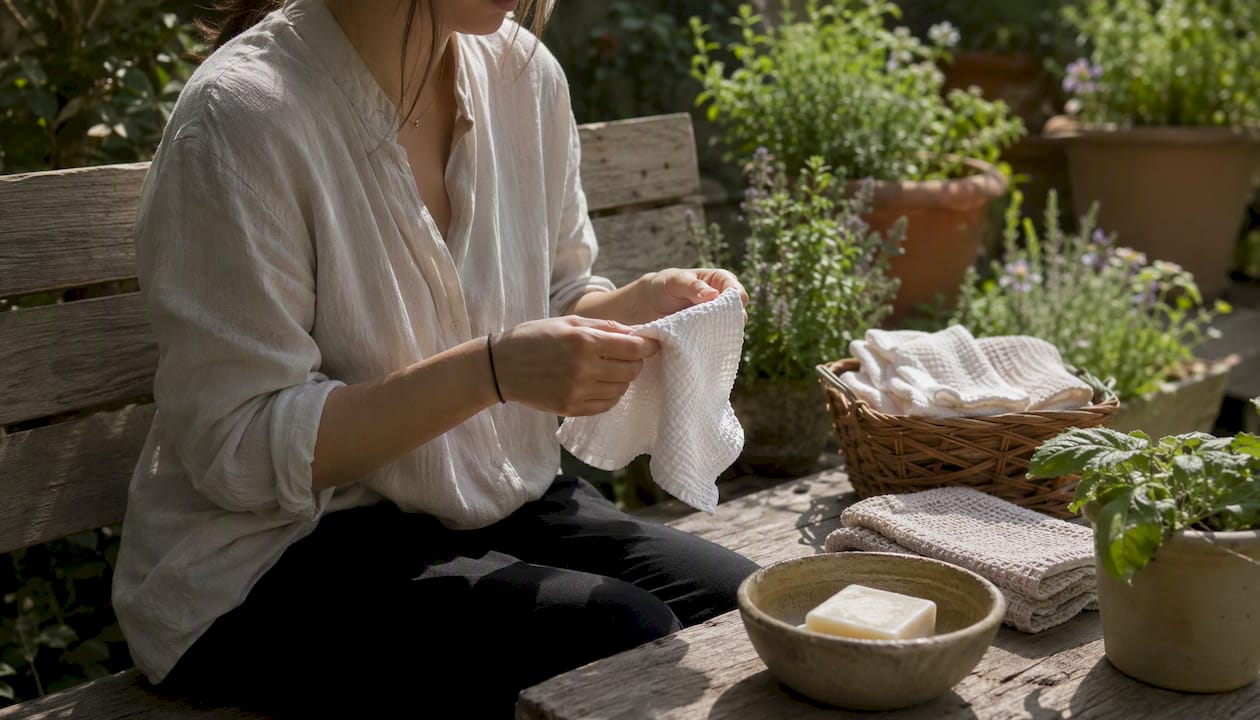
Cut-up old flannels or purpose-made cloth wipes work well for personal hygiene and household cleaning. Store soiled cloths in a dry pail, wash at 60°C, and you have a near-zero-waste system. The barrier for most households is the laundering habit, not the cost. Never flush them.
Plant-based biodegradable wipes
Some bamboo viscose wipes are independently tested for aerobic biodegradation and can break down in industrial or validated home composting within months. The Zero Store’s plastic-free cleaning wipes and makeup wipes fall into this category. Useful for travel, children, and makeup removal, but the disposal rule is firm: bin them, or compost only if your setup is validated.
Pro Tip: If you are choosing between foam/spray and reusable cloths, ask yourself one question: do you already do regular laundry loads? If yes, cloths add almost no effort. If laundry is irregular, foam/spray is the lower-friction option.
How to choose the right alternative for your household
Choose a bidet if you want a permanent wipe replacement with no ongoing consumable cost. Pick toilet paper plus foam for a low-cost, renter-friendly swap you can implement today.
Decision checklist:
- Septic tank? Bidet or foam/spray only. No wipes of any kind in the system.
- Renting? Foam/spray requires no installation. A portable bidet bottle is another option.
- Young children? Plant-based baby wipes for nappy changes; bidet attachment for older children.
- Skin sensitivity? Look for fragrance-free, plant-based formulations. The Zero Store’s wipes are chemical-free.
- Travelling? A small foam bottle or individually wrapped plant-based wipes in a resealable pouch.
- Budget-first? Reusable cloths have the lowest lifetime cost of any option.
DIY: how to make a moist wipe from toilet paper
This takes about 30 seconds to set up and costs almost nothing.
- Fill a small spray or foam bottle (100–250ml) with water and a few drops of a gentle, biodegradable cleanser or a purpose-made toilet paper foam.
- Fold two to three sheets of toilet paper into a pad.
- Apply one or two pumps of foam directly onto the pad.
- Use immediately. The paper stays intact long enough to clean effectively, then disperses normally when flushed.
- For heavily soiled use, bin the used paper rather than flushing a large wad.
Store the bottle on the cistern or in a small caddy beside the toilet. For travel, a 50ml bottle fits in a washbag and lasts several days.
Pro Tip: Silicone travel bottles with a pump top keep the foam from leaking in a bag. Pair with a small resealable pouch for used cloths if you are also trialling reusables on the road.
Disposal rules: why ‘compostable’ does not mean ‘flushable’
Always bin used wipes unless you have a validated home composter and the wipe carries a certified home-composting standard such as OK compost HOME.
“Compostable does not mean flushable. Compostable wipes should be disposed of in household waste unless home composting is validated — putting them in a sewer or an unvalidated compost bin defeats the purpose entirely.” — Water UK
Industrial composting and home composting are not the same process. Industrial facilities run at sustained high temperatures with controlled moisture and microbial activity. A home compost heap rarely replicates those conditions, so a wipe certified only for industrial composting will not break down properly at home. Even certified home-compostable wipes require specific conditions, and some products disintegrate in under six months only when those conditions are met.
Practical disposal rules:
- Heavily soiled wipes (nappy changes, illness): always bin in household waste, double-bagged.
- Septic tank households: bin all wipes without exception.
- Home composter (validated): only wipes with an explicit home-composting certification. Check your local council’s guidance, as many do not accept compostable wipes in green bins.
- Default rule: when in doubt, bin it.
The short verdict
For most UK households, a bidet attachment is the single best swap. It costs under £40 for a basic model, requires no plumber, and eliminates the ongoing cost and waste of wipes entirely.
Acceptable short-term compromises:
- Toilet paper plus a septic-safe foam or spray (best for renters and travellers)
- Reusable washable cloths at home (lowest lifetime cost, suits households with regular laundry)
- Plant-based biodegradable wipes as a transitional option, binned or composted correctly
The one rule that applies to every option: do not flush any wipe. Not “flushable” ones, not biodegradable ones, not bamboo ones. The UK water industry is clear on this, and your plumber will say the same.
Key takeaways
No wipe is safe to flush. The best long-term alternative is a bidet; the easiest immediate swap is toilet paper with a septic-safe foam or spray.
| Point | Details |
|---|---|
| Never flush any wipe | Even “flushable” and biodegradable wipes block pipes; always bin or compost. |
| Bidet is the best long-term swap | A basic attachment costs under £40 and eliminates ongoing wipe costs. |
| Foam/spray suits renters | No installation needed; a 250ml bottle provides multiple applications. |
| Compostable ≠ home-compostable | Only bin wipes unless you have a validated composter and a certified product. |
| The Zero Store plastic-free wipes | Baby, makeup, and cleaning wipes available; bin or compost per label guidance. |
The case for cutting wipes out entirely
The conversation around flushable wipes tends to focus on what to do with them after use. That framing misses the bigger point. The problem is not disposal; it is that single-use wipes exist at all as a default hygiene product for households that have perfectly good alternatives.
A bidet costs less than a month’s supply of premium wipes and lasts years. Toilet paper foam costs pennies per use. Reusable cloths cost almost nothing once you have them. The reason most households have not switched is habit, not practicality. The wipe industry has done an effective job of making pre-moistened single-use products feel like a necessity, when they are, for most use cases, a convenience that comes with a significant environmental and infrastructure cost.
The UK’s move to ban plastic wet wipes is welcome, but it addresses only the most visible harm. Plant-based and bamboo wipes still end up in sewers when people assume “natural” means “safe to flush.” The disposal guidance in this article is not a technicality. It is the difference between a product that is genuinely better for the environment and one that just has better marketing.
If you are making the switch, start with the foam/spray method this week. It costs almost nothing, requires no new hardware, and gives you a direct comparison with what you have been using. Most people find they do not miss the wipes.
Plastic-free wipes from The Zero Store
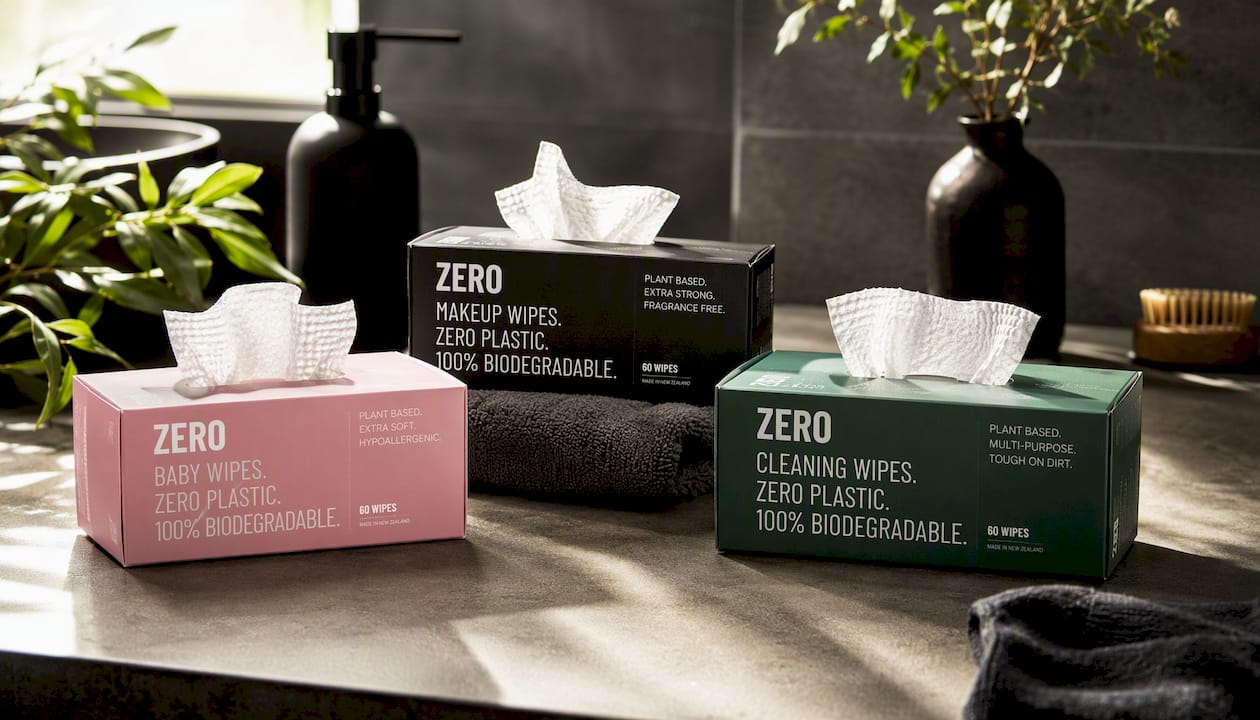
If you want a pre-made option while you transition away from conventional wipes, The Zero Store’s plastic-free range covers the three most common use cases. The baby wipes are thick, chemical-free, and suited to sensitive skin from birth. The makeup wipes remove makeup without synthetic fibres or harsh ingredients. The cleaning wipes handle household surfaces without leaving microplastics behind.
None of these should be flushed. Bin them, or compost them in a validated home composter if the product label confirms home-composting certification. Browse the full plastic-free wipe range at The Zero Store and check the product pages for full material specifications and certifications.
Useful sources and further reading
- GOV.UK: New law bans plastic wet wipes to protect rivers and seas
- Water UK: Wet wipe ban a step in the right direction
- Water UK: New year, new you — no more flushing wet wipes down the loo
- Mustela: Home compostable wipes — certification and disposal guidance
- Refresh Wipes: Foam and liquid wipe alternatives
- The Zero Store: Plastic-free wipes range
For local composting rules, check your council’s waste and recycling pages directly. Guidance varies by borough, and not all councils accept compostable packaging or wipes in green bins.
Share:
Best compostable cling wrap: UK buyer's guide 2026
Plastic-free cleaning wipes: what actually works in 2026