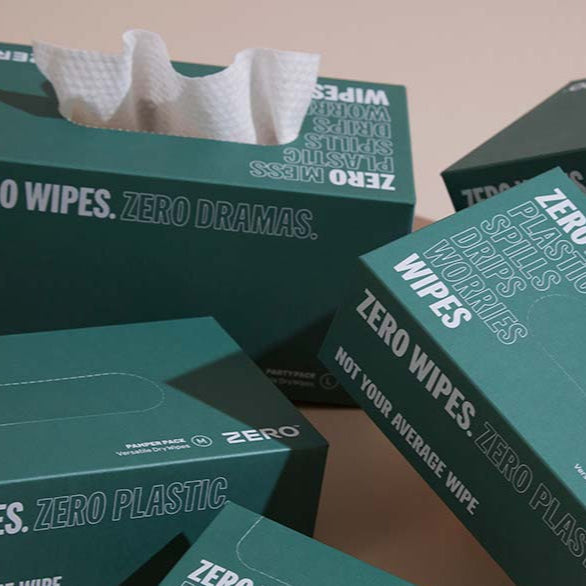
Genuinely plastic-free cleaning wipes exist, but the category is riddled with half-truths. The honest starting point: reusable plant-based cloths are almost always the better choice for everyday household cleaning; and if you do buy single-use wipes, only certified compostable options with EN 13432 or OK compost markings are worth your money. Everything else is, at best, a marginal improvement on conventional wipes.

Here is what to do right now:

  • Choose reusable cloths first. For kitchens, bathrooms, and general surfaces, a washable plant-based cloth handles the same jobs as a single-use wipe and lasts far longer.
  • If buying single-use wipes, check the ingredient list for synthetic binders, look for EN 13432 or OK compost certification on the packaging, and follow the disposal instructions precisely.
  • Never flush a wipe unless the packaging carries an official flushability certification. “Biodegradable” on its own does not mean flushable.
  • Look for transparency. Brands that list every ingredient and explain their composting conditions are the ones worth trusting. The Zero Store’s plant-based reusable cleaning cloths are a good starting point for anyone making the switch.

Table of Contents

What are plastic-free cleaning wipes actually made from?

The term “plastic-free” covers a wide range of materials, and not all of them are as clean as the label implies. Genuinely plastic-free wipes use plant-derived fibres throughout: viscose (derived from wood pulp), cellulose, unbleached cotton, or combinations of these. Some newer formats incorporate plant biopolymers such as PLA (polylactic acid) or PBAT in their structure or packaging, though these require specific composting conditions to break down properly.

The problem is what happens after the fibre is formed. Many wipes marketed as “natural” or “plant-based” still contain synthetic binders, adhesive finishes, or chemical glues that hold the cloth together during use. Those additives are often petroleum-derived. A wipe can be 90% viscose and still fail a compostability test because of a 10% synthetic bonding agent. Coloured wipes add another layer of risk: synthetic dyes and inks can introduce plastics or chemical residues even when the base fibre is genuinely natural.

Pro Tip: When reading a wipe’s ingredient list, look specifically for terms like “polyester binder”, “acrylic resin”, or “polypropylene reinforcement”. Any of these signals that the product is not truly plastic-free, regardless of what the front of the pack says.

What a trustworthy ingredient list looks like: plant fibre clearly named (viscose, cotton, lyocell), water-based or natural inks for colour-coding, and no synthetic bonding agents. If the brand does not publish a full ingredient list, that absence is itself a warning sign. Certification marks such as EN 13432 or the seedling/OK compost logos are the most reliable shortcut when you cannot parse a full ingredient list in the aisle.

Infographic showing plastic-free wipe ingredient percentages


Why conventional wipes cause harm, and what switching actually changes

Standard cleaning wipes are typically made from polyester or polypropylene nonwoven fabrics. These are, in effect, single-use plastic sheets. When they go to landfill, they persist for decades. When they are flushed, they fragment into microplastics and contribute to the fatberg problem in UK sewers. Research published in peer-reviewed literature has linked microplastic contamination from personal care and cleaning products to measurable environmental and biological effects.

The scale of the problem at retail level is significant. One mainstream UK retailer forecasts that switching its wipe ranges to plastic-free formulations will save a significant amount of plastic per year across those product lines alone. That figure reflects how much plastic is currently embedded in conventional wipe formats.

1,000 tonnes of plastic per year could be saved by one retailer switching its wipe ranges to plastic-free alternatives.

Switching to genuinely plastic-free or reusable options changes several things at once:

  • Microplastic release drops significantly when synthetic fibres are replaced with natural ones that break down into organic matter rather than plastic particles.
  • Sewer blockages are reduced when wipes are not flushed. Plant-based wipes that disintegrate in water are in development, but most current products, even compostable ones, should go in the bin or compost, not the toilet.
  • Landfill persistence shortens considerably for certified compostable products disposed of correctly, though this depends entirely on reaching the right composting conditions.

On hygiene and antibacterial claims: be sceptical. A wipe labelled “antibacterial” may carry that claim based on the cleaning solution it is pre-moistened with, not the fibre itself. Independent testing of bacterial-kill rates is rarely published by manufacturers. If antimicrobial performance matters for your use-case, check whether the claim references a specific standard (such as EN 1276 for surface disinfection) rather than a general marketing phrase.


UK rules and disposal: can you flush compostable wipes?

No. Even certified compostable wipes should not be flushed. Composting and disintegrating in water are entirely different processes, and the UK’s water industry has been clear on this for years. The only wipes that should go down a toilet are those carrying a specific flushability certification, and those are rare in the cleaning-wipe category.

The UK has been moving towards a statutory ban on plastic-containing wet wipes. England, Scotland, Wales, and Northern Ireland have each been progressing regulations at different speeds, with phased rollouts targeting the most common single-use plastic wipe formats. The practical implication for shoppers: do not assume a product is compliant simply because it is still on the shelf. Retailer labelling is changing faster than legislation in some cases, and slower in others.

Pro Tip: The phrase “biodegradable” on a wipe packet carries no legal weight in the UK without a supporting certification. Under the Green Claims Code enforced by the Competition and Markets Authority, vague environmental claims can constitute misleading advertising. If a product says “biodegradable” but shows no EN 13432 or equivalent mark, treat it as unverified.

The distinction between biodegradable and compostable matters practically. As compostability guidance makes clear, EN 13432-certified materials are engineered to break down under industrial composting conditions or in specified food-waste collections. Home composting heaps rarely reach the temperatures required. “Biodegradable” without a standard attached can mean almost anything, including “will eventually break down over many decades in landfill.”

Disposal checklist:

  • Check the packaging for EN 13432 or OK compost certification before assuming a wipe is compostable.
  • Certified compostable wipes can go in food-waste collections where your local council accepts them. Check your council’s guidance, as acceptance varies.
  • If in doubt, household waste (general bin) is safer than flushing.
  • Never flush any wipe unless it carries a certified flushability mark.
  • Reusable cloths: wash at 60°C to sanitise, then compost or recycle at end of life according to the manufacturer’s guidance.

How to choose plastic-free cleaning wipes without being misled

Use this checklist when comparing products online or in a shop:

  1. Define the use-case first. Kitchen surfaces, bathroom cleaning, baby care, and on-the-go use each have different requirements for absorbency, ingredient safety, and antimicrobial performance. A single product rarely optimises for all four.
  2. Read the full material list. Look for named plant fibres (viscose, cotton, lyocell, cellulose). Flag any mention of polyester, polypropylene, or synthetic binders.
  3. Check certifications. EN 13432 and OK compost are the marks that carry independent verification. The seedling logo (issued by European Bioplastics) is another reliable signal. Products certified to DIN EN 13432 have been tested by a third party, not just self-declared.
  4. Assess the packaging. Plastic-free wipes sold in plastic packaging undermine the point. Look for FSC-certified card, compostable film, or paper-based outer packaging.
  5. Scrutinise preservatives and fragrances. Methylisothiazolinone (MI) and methylchloroisothiazolinone (MCI) are common preservatives in pre-moistened wipes and are known skin sensitisers. Fragrance-free options are safer for people with eczema or contact allergies.
  6. Verify antimicrobial claims. If a wipe claims to kill bacteria, look for a referenced test standard. A claim without a standard is marketing, not evidence.
  7. Compare per-use cost. A pack of 40 single-use wipes at £3.00 costs 7.5p per use. A reusable cloth at £5.00 that lasts 200 washes costs 2.5p per use, and generates a fraction of the waste. The maths favours reusables quickly.
  8. Read the disposal instructions. If they are absent or vague, that is a red flag. Clear instructions are a basic transparency signal.

For anyone navigating label claims on baby or personal-care wipes specifically, The Zero Store’s guide on choosing plastic-free baby wipes covers the same certification checks in that context.


Sustainable alternatives to single-use wipes worth knowing about

Reusable options cover most household cleaning tasks better than single-use wipes, and the range has expanded considerably.

Man folding reusable plant-based cleaning cloths

Swedish dishcloths are the most versatile swap. Made from cellulose and cotton, they absorb many times their weight in liquid, dry quickly between uses, and go in the dishwasher or washing machine. Vendors such as Perevor market their plant-based eco cloths as absorbing up to 20 times their own weight and lasting through repeated machine washing. They work well for kitchen surfaces, spills, and general wiping.

Plant-based sponge cloths occupy a similar space but with a slightly more structured feel. The Scotch-Brite Greener Clean range, for instance, claims to absorb up to 10 times its own weight and positions itself as a replacement for multiple rolls of paper towels. These suit kitchen and bathroom use where a sponge-like texture is preferred.

Washable cotton or bamboo cloths are the most durable option for heavy-duty cleaning. They withstand high-temperature washing (which matters for sanitisation), and a good set lasts years rather than months. The trade-off is that bamboo cloths sometimes use viscose processing that involves chemical solvents, so check the manufacturing process if that matters to you.

A note on microfibre: Microfibre cloths clean effectively with minimal chemical input, but they shed synthetic microfibres during washing. For a genuinely plastic-free household, plant-based alternatives are the cleaner choice.

When single-use still makes sense: clinical or medical settings, situations involving heavy contamination where cross-contamination risk is high, and travel or on-the-go use where laundering is impractical. In those cases, choose the most certified compostable option available and dispose of it correctly. Bulk purchasing through a wholesale supplier can reduce per-unit cost and packaging waste when single-use is unavoidable.


Reusable cloths vs single-use wipes: what the numbers suggest

The lifecycle case for reusables is strong, though the exact figures depend on how a cloth is used and laundered.

Comparison of single-use wipes and reusable cloths on table

Metric Single-use wipe Reusable plant-based cloth
Typical lifespan 1 use 200 wash cycles
Estimated per-use cost 5p–10p 2p–4p (at 200 uses)
Plastic content Often mostly synthetic fibre Zero (plant-based)
Disposal route General waste or certified compost Compost or textile recycling at end of life
Absorbency Moderate High (up to 10–20× own weight, per manufacturer claims)

The per-use cost advantage of reusables compounds quickly. A cloth used five times a week for a year represents roughly 260 uses. At that rate, even a cloth costing £8.00 works out to about 3p per use, well below the cost of single-use wipes.

Laundering matters for both hygiene and environmental cost. Washing at 60°C is sufficient to sanitise most cloths used for general household cleaning. Washing at 90°C uses significantly more energy and is rarely necessary outside of clinical contexts. The environmental cost of laundering is real but remains lower than the cumulative plastic and waste cost of single-use alternatives across the same number of cleaning tasks.

Pro Tip: Retire a reusable cloth when it starts to fray, discolour despite washing, or develop a persistent odour that laundering does not remove. A degraded cloth harbours bacteria more readily and loses its absorbency advantage. Compost it if it is plant-based and certified, or check local textile recycling options.

Heavy-duty commercial cloths, such as those in the Tork biobased range, are designed for repeated use with one-at-a-time dispensing to reduce overuse. The 99% biobased composition (noted under the USDA BioPreferred programme) makes them a credible option for businesses or households wanting professional-grade durability without synthetic materials.


Key takeaways

Plastic-free cleaning wipes are a real and improving category, but reusable plant-based cloths deliver better environmental outcomes than any single-use alternative, certified or not.

Point Details
Reuse-first is the default Washable plant-based cloths cost less per use and generate far less waste than single-use wipes.
Certification over claims Only EN 13432 or OK compost marks confirm genuine compostability; “biodegradable” alone is unverified.
Never flush without a flushability mark Even certified compostable wipes should go in food waste or general bin, not the toilet.
Check the full ingredient list Synthetic binders or dyes in an otherwise plant-based wipe prevent composting and signal greenwashing.
The Zero Store’s reusable cloths The Zero Store’s plant-based cleaning cloths offer a certified, reuse-first option for UK households.

A reuse-first view worth taking seriously

The conversation around plastic-free wipes tends to get stuck on single-use formats: which wipe is least bad, which certification is most credible, which brand is telling the truth. Those are useful questions, but they miss the bigger point.

The most effective thing most households can do is stop reaching for a wipe at all for routine cleaning tasks. A damp plant-based cloth handles 80% of what a single-use wipe is used for, costs less over time, and produces no waste beyond the wash water. The certification debate becomes largely irrelevant once you have made that shift.

Where I think the market is genuinely improving: transparency. Brands that publish full ingredient lists, name their certification bodies, and explain exactly what composting conditions their products require are becoming more common. That is a meaningful change from five years ago, when “natural” and “eco” were applied to almost anything without consequence. The UK’s Green Claims Code has sharpened that, and the wet-wipe plastic ban is sharpening it further.

The practical starter swap for most people: replace the roll of kitchen paper and the pack of surface wipes with two or three good plant-based cloths. Use them for surfaces, spills, and general wiping. Wash them with your regular laundry. The adjustment takes about a week to feel normal, and after that, reaching for a single-use wipe starts to feel unnecessary rather than convenient.


What The Zero Store offers for plastic-free cleaning

If you are ready to move away from single-use wipes, The Zero Store’s reusable cleaning cloths are a practical starting point. Made from plant-based materials and designed for repeated use, they cover the everyday cleaning tasks where single-use wipes are most commonly overused: kitchen surfaces, bathroom wipe-downs, and general household cleaning.

The Zero Store

The range extends beyond cloths. The Zero Store also offers plastic-free cling wrap made from bio-polymers, resealable food storage bags that replace single-use plastic bags, and produce bags for zero-waste shopping. Each product comes with clear certification information and disposal guidance, so you are not left guessing about what “plastic-free” actually means for that specific item.

For UK households building a plastic-free routine, the reusable cloths are the highest-impact swap to make first. Browse the full range at The Zero Store and check the product pages for certification details before you buy.


Useful sources for verifying claims and staying current

These are the sources worth bookmarking when you want to check a certification, verify a manufacturer claim, or follow UK regulatory developments:

When checking any product, look for EN 13432, OK compost, or the seedling logo on the packaging itself. If those marks are absent, ask the manufacturer directly which third-party body certified the claim.

Latest Stories

This section doesn’t currently include any content. Add content to this section using the sidebar.