Antibacterial wipes target bacteria and suit hands or light household jobs; disinfectant wipes are tested to inactivate a much broader range of pathogens, viruses included, and are built for hard surfaces, not skin. The US EPA distinguishes cleaning, sanitising and disinfecting precisely because they are not interchangeable jobs. Contact time on the label tells you which one you actually bought.
TL;DR:
- Antibacterial wipes target bacteria only and are suitable for quick hand cleaning but are ineffective against viruses or fungi.
- Disinfectant wipes are tested to kill a broad range of pathogens, including viruses, but require longer contact times of 30 to 60 seconds for full efficacy.
- Proper use involves cleaning surfaces first to remove grease or dirt before disinfecting, as buildup can hinder disinfectant effectiveness.
- Skin-safe disinfectant wipes are essential for hand and body contact, while most surface wipes are not designed for skin and can cause irritation.
- Reusable cloths and compostable wipes are effective, eco-friendly alternatives for daily household cleaning, while registered disinfectants should be reserved for illness-related situations.
Table of Contents
- Antibacterial wipes: ingredients, claims and what they’re actually for
- Disinfectant wipes: spectrum, testing and where they belong
- Antibacterial vs disinfectant wipes: which one for which job
- Skin safety and the mistakes people make with wipes
- How to choose the right wipe: a quick label check
- Where sustainable wipes fit, and where they don’t
- Does anything actually stop antibiotic-resistant bacteria?
- The perspective worth having on wipe hygiene
- A plastic-free option for the everyday wiping you actually do
- Sources
Antibacterial wipes: ingredients, claims and what they’re actually for
“Antibacterial” is a narrower claim than most shoppers assume. It means a product is formulated to kill or slow the growth of bacteria specifically, with no promise about viruses or fungi at all. Some older antibacterial actives, like triclosan, drew regulatory scrutiny over long-term skin exposure and resistance concerns, which is one reason label reading matters more than brand reputation.
Typical formats include:
- Alcohol-based hand wipes, usually 60% ethanol or isopropanol, effective against many bacteria and enveloped viruses when used correctly
- Mild antibacterial hand and face wipes formulated to be gentle enough for repeated skin contact
- Household “wipe down” cloths pitched at general bacterial grime rather than infection control
These wipes work well for hand hygiene on the go or a quick spot clean on a bench that isn’t dealing with raw meat juices or vomit. Where genuine viral risk is present, an antibacterial wipe is the wrong tool, and no amount of scrubbing changes that.
Disinfectant wipes: spectrum, testing and where they belong
Disinfectant is the broader, more heavily tested claim. A wipe carrying it is formulated to kill a wide spread of bacteria, viruses, and often fungi, and manufacturers typically back that with specific log-reduction data and contact times rather than vague marketing language.
Common active chemistries include:
- Quaternary ammonium compounds (“quats”), widely used in commercial disinfectant wipes
- Hydrogen peroxide formulations, often marketed as gentler on surfaces
- Bleach derivatives (sodium hypochlorite based), strong but corrosive on some materials
- High-concentration alcohol, fast acting but evaporates quickly, shortening contact time
Standards such as EN 16615 specify minimum contact times, sometimes 60 seconds, before a bacterial or viral kill claim holds up. A 2025 review of commercial wet wipes found some products failed to meet that bar at short contact times, because wipe material and formulation both affect how much active ingredient actually reaches the surface. These wipes are for hard, non-porous surfaces: door handles, benchtops, shared remotes, anything touched by multiple hands or exposed after illness.
Antibacterial vs disinfectant wipes: which one for which job
The practical differences boil down to five things: what pathogens they cover, how long they need to sit wet on a surface, what surface they’re designed for, whether they’re skin-safe, and how fast they act.
- Pathogen coverage: antibacterial wipes: bacteria only. Disinfectant wipes: bacteria, and typically viruses and fungi too.
- Contact time: antibacterial hand wipes act almost instantly on hands; disinfectant wipes often need the surface visibly wet for 30 to 60 seconds to meet their kill claim.
- Intended surface: antibacterial wipes are often skin-appropriate; disinfectant wipes are formulated for inanimate objects, not skin.
- Speed vs strength trade-off: stronger disinfectant chemistries generally need longer dwell time to work, not less.
The contact time problem: independent testing has found some disinfectant wipes fail standard efficacy tests when wiped and left to dry too quickly, which means the biggest gap between label promise and real-world kill rate often isn’t the chemical, it’s how long you leave it wet.
Scenario-wise: wiping down a kitchen bench after raw chicken calls for a disinfectant wipe left wet for its full stated time, not a quick antibacterial swipe. Cleaning your phone screen after public transport is lower risk. An antibacterial wipe is usually adequate there. If someone in the house has been unwell, high-touch surfaces (taps, light switches, toilet handles) warrant a proper disinfectant.
One rule sits above all of this: clean before you disinfect. Visible grease, food residue or dirt physically blocks disinfectants from reaching the surface underneath, so a disinfectant wipe run over a greasy bench without a prior clean is largely wasting its own chemistry.
Skin safety and the mistakes people make with wipes
Most surface disinfectant wipes are not formulated for skin contact. Quats, bleach derivatives and stronger hydrogen peroxide blends can cause irritation, dryness or, at higher concentrations, chemical burns on repeated contact. Health guidance is consistent on this point: surface disinfectants are for inanimate objects, and hand or body wipes need formulations specifically constrained for dermal safety.
Some precautions worth repeating to anyone in the house:
- Read the label before you use a wipe on skin, not after an irritation shows up
- Never use a surface disinfectant wipe on intimate areas; use a product explicitly labelled skin safe instead
- Keep stronger disinfectant wipes away from small children, both for skin contact and ingestion risk
- Ventilate the room when using bleach or high-alcohol formulations, particularly in a small bathroom
- Wipe in one direction across a surface rather than scrubbing back and forth, since reversing direction can drag contaminants back onto an area you’d already covered
Pro Tip: A disinfected surface offers no lingering protection once it’s dry. Wipes aren’t a coating, they’re a one-off kill. If the same bench gets touched again an hour later by unwashed hands, you’re back to square one.
How to choose the right wipe: a quick label check
Before you buy or reach for a wipe under the sink, run through this:
- Check the claim word. “Disinfectant” or “sanitiser” means broader, tested pathogen coverage. “Antibacterial” means bacteria only.
- Look for named target organisms. A proper disinfectant label should list what it’s tested against, not just say “kills germs.”
- Find the contact time. No stated contact time is a red flag. Without one, the product shouldn’t be relied on for infection control.
- Confirm skin safety if it’s for hands or body. Don’t assume; check the pack says so explicitly.
- Note the material and storage advice. Wipes dry out and lose efficacy once a pack is left open, so reseal promptly and check shelf-life dates.
| Situation | What to reach for |
|---|---|
| Hands, no soap and water nearby | Alcohol-based antibacterial hand wipe |
| Kitchen bench after raw meat | Registered disinfectant wipe, full contact time |
| Someone in the house is unwell | Disinfectant wipe on high-touch surfaces |
| Everyday light dusting or spills | Reusable cloth or general cleaning wipe |
| Baby’s hands, face or nappy area | Skin-safe baby wipe, not a surface disinfectant |
Clinical settings or caring for someone with a contagious illness call for a genuinely regulated disinfectant. Everyday hand hygiene or a quick wipe of a low-risk surface doesn’t need that firepower.
Where sustainable wipes fit, and where they don’t
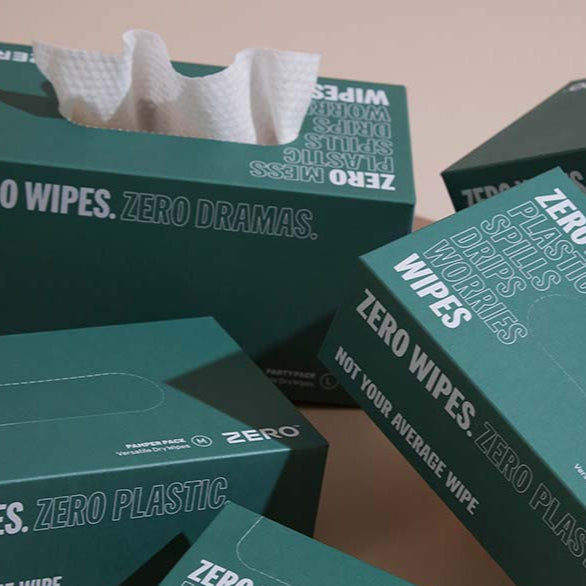
The Zero Store’s ZERO Dry Wipes and baby wipes are built as biodegradable, chemical-free options, and they’re positioned honestly: as lower-impact choices for light cleaning and personal hygiene, not as substitutes for a registered surface disinfectant. When the job is genuine infection control, a stronger, tested disinfectant chemistry is still the right tool.
For most day-to-day mess, though, the calculation flips. A reusable cloth handles dusting, bench wiping and general grime without adding to landfill every single day, and pairing that cleaning-first habit with a compostable wipe for the jobs that need disposability cuts plastic waste without sacrificing hygiene where it counts.
- Use reusable cloths for daily surface wiping and general tidying
- Reach for compostable, chemical-free wipes for on-the-go hand hygiene or nappy changes
- Keep a registered disinfectant specifically for illness, raw meat prep, or shared high-touch surfaces
Does anything actually stop antibiotic-resistant bacteria?
Antibiotic resistance is a property of how bacteria respond to antibiotic drugs inside the body, not how they respond to a wipe on a countertop. This trips a lot of people up. A bacterium like methicillin-resistant Staphylococcus aureus (MRSA) is resistant to certain antibiotics, but it isn’t specially resistant to the chemical action of a properly used disinfectant wipe.
Quaternary ammonium compounds, hydrogen peroxide and alcohol-based disinfectants work by damaging cell membranes or proteins directly, a mechanism that doesn’t rely on the same biological pathways antibiotics target. That’s why a disinfectant wipe used for its full stated contact time is generally just as effective against a resistant strain as a non-resistant one of the same species.
The catch is the same one that applies everywhere in this topic: effectiveness depends on contact time and correct use, not on the resistance profile of the bug. A disinfectant wiped on for two seconds and left to dry won’t reliably kill a resistant strain any more than it would a standard one. Antibacterial wipes, with their narrower bacterial-only claim and shorter typical contact time, were never tested against resistant strains to the same standard as registered disinfectants, so they shouldn’t be relied on where resistant organisms are a specific concern, such as in a household caring for someone recently discharged from hospital.
The perspective worth having on wipe hygiene
Most of the “which wipe kills more germs” debate misses the actual failure point: contact time. People buy the strongest-sounding disinfectant on the shelf, swipe it once, and move on, when testing shows plenty of products don’t meet their own kill claims at short dwell times. The chemistry matters less than most shoppers think. Patience matters more.
The conventional advice, “just buy disinfectant wipes for everything,” also overcorrects. It pushes people towards single-use chemical wipes for jobs a reusable cloth and warm water would handle just as well, and it quietly ignores that a disinfectant swiped over a greasy bench without cleaning first barely works at all.
My honest read: prioritise correct use over product strength. Read the contact time, clean before you disinfect, and reserve registered disinfectants for the situations that genuinely need them, illness, raw meat, shared high-touch surfaces. For the other 90% of household wiping, a chemical-free option does the job without the waste.
— Damien
A plastic-free option for the everyday wiping you actually do
There are biodegradable wipes and reusable cloths built for the low-risk cleaning and hygiene tasks that make up most of a household’s actual wipe use, without the plastic fibres and chemical load of a standard supermarket pack.
The Plastic Free Cleaning Wipes suit benches, spills and general household grime once you’ve already tackled the heavier disinfecting jobs separately. If you’d rather cut disposables further, the Plastic Free Reusable Cleaning Cloths handle daily wiping without adding a single wipe to landfill. For hands, faces or nappy changes, the Baby Wipes are formulated for sensitive skin without the harsh actives found in some antibacterial ranges.
None of this replaces a registered disinfectant when you genuinely need one. But for the cleaning most Australian households do every single day, browse the full cleaning wipes range and switch out at least the low-risk half of your routine.
Sources
- What you need to know about disinfectant wipes – UC ANR
- Cleaning and sanitising – Food Standards Australia New Zealand
- Comparative evaluation of disinfectant wipes and methods (PMC)
- What’s the difference between products that disinfect, sanitize, and clean surfaces? – US EPA


Share:
Three Evidence Backed Plastic Free Kitchen Swaps for Australian Homes
Prevent Freezer Burn in Australian Kitchens Without Buying New Gear