
It's easy to feel overwhelmed by environmental news.
Climate change, plastic pollution, biodiversity loss: the headlines can feel relentless. But progress is happening.
Around the world, communities, scientists and businesses are taking action that's starting to shift some of our biggest environmental challenges. Governments are making meaningful policy changes too, though not nearly enough, if you ask us.
So here's the good news. Five positive environmental stories from the recent news cycle that show climate progress is possible.
1. Wind and solar overtook fossil fuels in Europe
In 2025, for the first time, wind and solar together generated more electricity than fossil fuels across the European Union. It's a major milestone in the shift to clean energy.
The rapid build-out of solar farms and wind power across Europe shows that large economies can cut their reliance on fossil fuels while keeping the lights on.
Source: The Guardian
2. Electric vehicles are going mainstream
Electric cars are fast becoming a normal part of the global car market. A decade ago they were a rounding error in new car sales; today they make up around one in five new cars sold worldwide.
Transport is one of the biggest sources of global emissions, so the growth of electric vehicles is a big opportunity to cut carbon pollution.
Source: Our World in Data
3. Chile is creating a huge new national park
Chile is moving to create a national park of around 150,000 hectares at Cape Froward, at the southern tip of mainland South America, protecting sub-Antarctic forests, coastline and critical wildlife habitat.
The project is backed by Rewilding Chile, the conservation foundation linked to the late philanthropist Douglas Tompkins. In late 2025 the foundation donated around 127,000 hectares of land to the Chilean government, on the condition it's protected as a national park.
Large protected areas like this help preserve biodiversity and keep ecosystems safe from development.

Source: Reuters
4. Fishing communities are helping protect marine wildlife
In southern India, traditional fishing communities are now rescuing endangered marine animals and helping restore ocean ecosystems.
Along the Gulf of Mannar coast in Tamil Nadu, fishers once caught animals including:
- Indo-Pacific humpback dolphins
- hawksbill, loggerhead, green and olive ridley turtles
- dugongs
Today, many of the same communities are recognised for protecting the very species they once pursued. It's a reminder that conservation works best when local communities lead it.
Source: Mongabay India
5. France has banned "forever chemicals" in everyday products
From 1 January 2026, France banned PFAS, often called "forever chemicals", in a range of consumer products, including cosmetics, ski wax and most clothing textiles. (Non-stick cookware was left out of the final law, so there's still work to do.)
PFAS are a problem because they don't break down in nature. They can build up in soil, water, wildlife and our bodies for decades. They've been used since the mid-20th century because they resist heat, water and grease, which is exactly what makes them so persistent.
France's ban is an important step towards less contamination from persistent chemicals, and a signal to the rest of the world.
Source: Euronews
A reminder that progress is possible
The environmental challenges facing our planet are real, but so is the progress. From clean energy to wildlife protection to tougher chemical rules, these stories show that collective action drives real change. If nothing changes, nothing changes, and here's proof that things are.
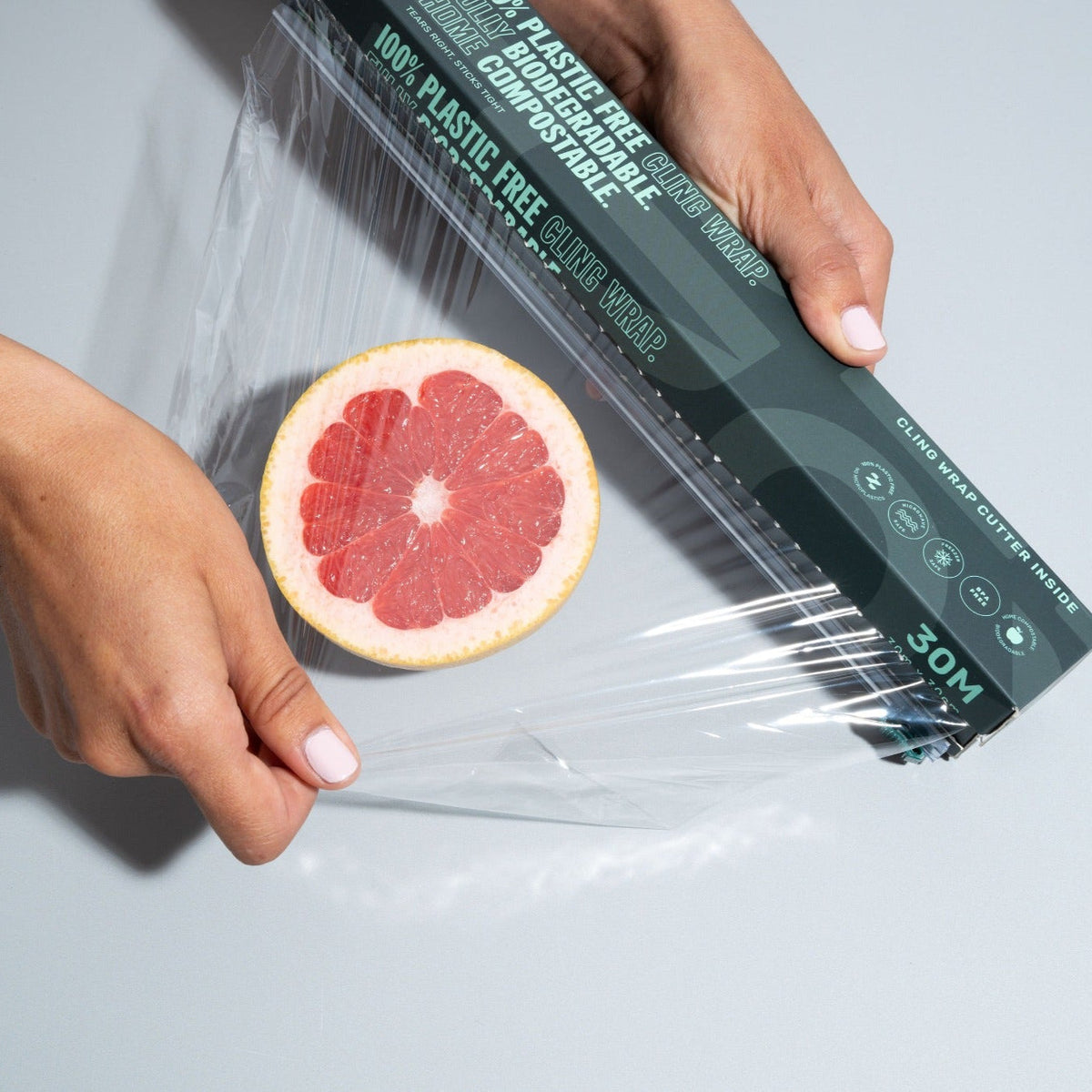
It works at home, too. Small, everyday swaps add up. Swapping regular cling film for our Cling Wrap, made from bioplastic and certified home compostable, or zip-lock bags for our Resealable Food Storage Bags, is an easy place to start. Feels good to do good.
If this gave you a little hope today, share it with someone who could use some good news.
Share:
Why our cling wrap has a detachable blade
What is PLA? A plain-English guide to the bioplastic in your kitchen