
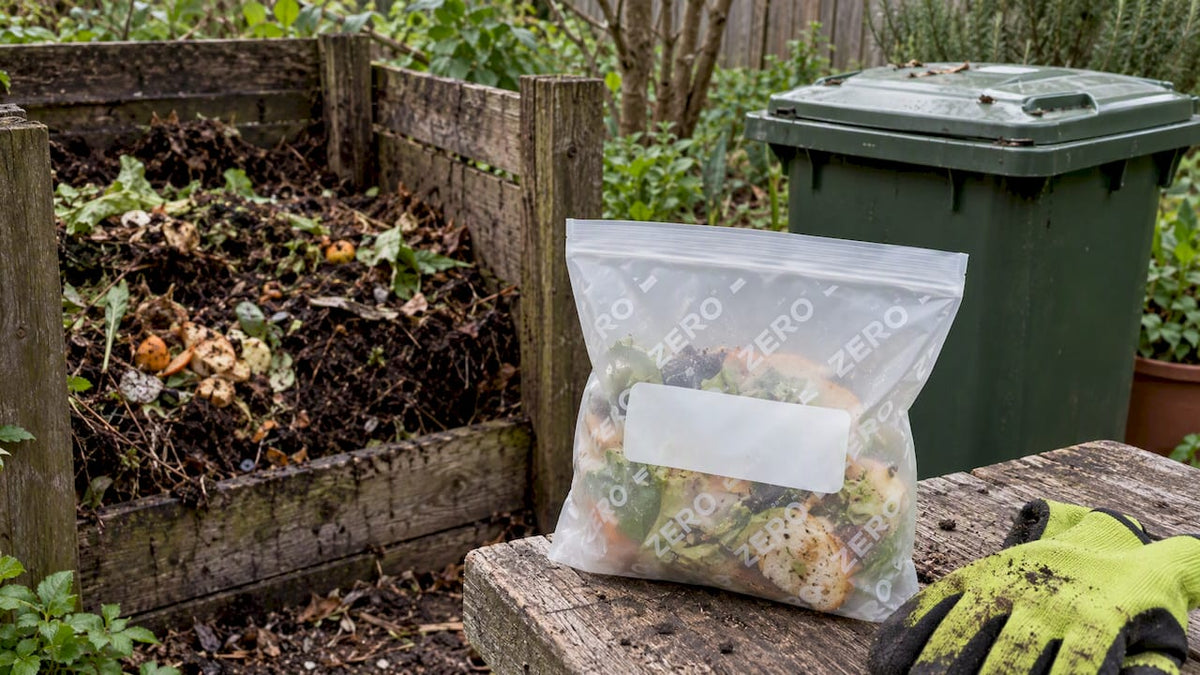
AS 4736 is the Australian standard for industrial or commercial composting, while AS 5810 covers home compostability. A product certified to one does not automatically suit the other disposal route, so always check the Australasian Bioplastics Association directory and your local council guidance before you bin anything labelled compostable.
TL;DR:
- Many products labeled as compostable may not meet the relevant Australian standard, so verify certification logos and sub-licence numbers on packaging.
- AS 4736 is for industrial composting, requiring high temperatures and controlled conditions, while AS 5810 is for home compostability under slower, ambient conditions.
- Certification does not guarantee acceptance by local councils or commercial composters, so check with your waste provider before disposal.
- The key disposal route—home, council FOGO, or industrial—must match the certification to ensure proper breakdown and avoid waste sitting in landfills.
- Always confirm the product’s certification status through official directories and ask suppliers for independent test reports if uncertified claims appear.
Table of Contents
- Technical comparison: test conditions, disintegration and safety requirements
- How to verify a certification claim in Australia
- Disposal routes and council acceptance: what actually gets composted where
- Practical buying checklist for consumers and businesses
- Why the standards debate misses the real problem
- Compostable swaps that suit home composting
- FAQ
- Sources
Technical comparison: test conditions, disintegration and safety requirements
The two standards exist because industrial and backyard composting are genuinely different processes. AS 4736 assumes a commercial facility with sustained high temperatures and managed inputs, while AS 5810 is calibrated to the slower, cooler, less consistent conditions of an ordinary backyard bin.
AS 4736 sets out specific thresholds a product must pass to earn certification, according to the Australasian Bioplastics Association:
- At least 90% biodegradation within a set timeframe under industrial conditions.
- Disintegration to fragments smaller than 2mm within 12 weeks.
- No toxic effect on plant growth or earthworms, plus limits on heavy metal content.
- A minimum proportion of organic content in the finished material.
Both standards now include an earthworm ecotoxicity test and checks for PFAS, a feature the Compost Connect explainer notes is not always required under overseas certification schemes, which makes the Australian approach more rigorous on those two points specifically.
The practical upshot is straightforward: a cling wrap or food bag stamped AS 4736 is built to break down fully in a commercial facility with industrial heat and turning cycles, not necessarily in a suburban compost heap. An AS 5810 item, by contrast, has been tested against the slower, ambient conditions a typical household bin actually produces, which is why the two logos point to two different end-of-life journeys rather than two tiers of the same journey.
How to verify a certification claim in Australia
Plenty of packaging says “compostable” without saying which standard it meets, and that gap is exactly where misleading claims creep in. A short check protects you from buying something that never actually breaks down the way you expect.
- Look for the ABA seedling logo (industrial, AS 4736) or the home-compostable logo (AS 5810) printed on the packaging.
- Find the sub-licence number printed underneath the logo, it’s the unique identifier tied to that specific product.
- Search the commercial compostable verification programme directory to confirm the product and sub-licence number match.
- If a product isn’t listed, ask the supplier directly for their ABA sub-licence or an independent test report.
- Treat unreferenced terms like “biodegradable” or “eco-friendly” as a warning sign rather than a certification.
Pro Tip: Keep a screenshot of the ABA directory listing when you buy in bulk for a business, it’s useful proof if a supplier’s claims are ever questioned later.
Disposal routes and council acceptance: what actually gets composted where
Certification tells you how a product was tested, not where it will end up. That second part depends entirely on your council and the facilities it contracts with, which is the detail most buyers miss.
- AS 4736 items are designed for commercial composting facilities, and whether they’re accepted in your FOGO or kerbside bin depends on the technology and contracts your local council has in place.
- A product certified to AS 4736 may not break down at all in a backyard compost heap, since it was never tested under those cooler, slower conditions, according to Geelong City Council.
- AS 5810 items are built for home composting, but expect a longer timeline than commercial processing, and the result still depends on how actively you manage your pile.
- Certification never guarantees kerbside acceptance. The Australasian Bioplastics Association is explicit that a Certificate of Conformance does not promise a council or commercial composter will take the product.
- Rules differ between local government areas, so check your council’s FOGO guidelines before placing any certified item, industrial or home, in the green bin.
Practical buying checklist for consumers and businesses
Choosing compostable packaging works best when you start from the end, not the label. Decide how the product will actually be disposed of, then match the certification to that route.
- Settle on the intended end-of-life pathway first: home compost bin, council FOGO collection, or a contracted industrial facility.
- Look for the ABA seedling or home logo with a visible sub-licence number, plus clear material disclosure (PLA, PHA, PBAT) and a PFAS statement.
- Ask suppliers directly whether their product is accepted by your local kerbside scheme or by the commercial composters your business already contracts with.
- Weigh the operational trade-off: certified compostable packaging can cut contamination and landfill volume, but only when it’s routed into the collection stream it was actually tested for.
Pro Tip: If you run a café or small business switching packaging at scale, confirm acceptance with your waste contractor before the first bulk order, not after.
Why the standards debate misses the real problem

The AS 4736 versus AS 5810 question gets treated like a competition, as if one standard is simply better. That framing misses the point: they solve different problems, and the real failure in Australia isn’t the standards themselves, it’s the gap between certification and actual disposal infrastructure.
A product can pass every test in AS 5810 and still sit in a landfill for years if the buyer never had a compost bin to put it in. Conventional advice tells shoppers to “look for the logo” and stops there, which is only half the job. The logo tells you what was tested, not what will happen in your own backyard or your council’s truck.
If you take one thing from this, prioritise your actual disposal route before you compare certifications. Buying AS 5810 packaging you’ll never compost at home achieves nothing, and buying AS 4736 packaging for a council that doesn’t accept it in FOGO is the same mistake in reverse.
— Damien
Compostable swaps that suit home composting
If your household already runs a compost bin, a few swaps make the switch easy without guesswork about facilities or collection schedules. Our Plastic Free Resealable Food Storage Bags and Plastic Free Produce Bags (2 Pack) suit everyday kitchen use, while our Plastic Free Reusable Cleaning Cloths cut down on single-use wipes entirely.

Always confirm the certification on the pack and check your council’s guidance before composting, and browse the full kitchen collection to find the right fit for your bin.
FAQ
What is the best compost bin in Australia?
The right bin depends on your space and how much food waste you generate, with enclosed tumblers suiting small yards and open bays suiting larger properties. Whichever bin you choose, only add items certified to AS 5810 if you want packaging to break down alongside your food scraps.
What is the difference between compostable and biodegradable?
“Biodegradable” has no set timeframe or testing standard behind it, so a material described that way could take years to break down. “Compostable” under AS 4736 or AS 5810 means the product has passed specific tests for disintegration, biodegradation percentage and toxicity within defined conditions, according to the Australasian Bioplastics Association.
What is the Australian standard for home compostability?
AS 5810-2010 is the Australian standard for home compostability, and products certified under it carry the ABA home-compostable logo with a sub-licence number. Checking that number against the ABA directory confirms the certification is genuine rather than self-declared.
Is LDPE recyclable in Australia?
LDPE (low-density polyethylene), used in some plastic bags and films, is accepted in certain soft plastic recycling schemes rather than standard kerbside recycling bins. Acceptance varies by location, so check with your council or a dedicated soft plastics drop-off point before assuming it’s recyclable.
Does ABA certification guarantee my council will accept the product in FOGO?
No. Certification confirms the product passed the relevant standard’s tests, but acceptance in kerbside or FOGO collections depends on your council’s own contracts and processing technology, as the Australasian Bioplastics Association states directly. Always check local guidance separately from the product’s certification.
Sources
We are a retailer, and product pages list the bio-polymer used, such as PLA, PHA or PBAT, alongside the certifications that apply. We encourage customers to cross-check any compostable claim against the ACCC’s guidance on environmental and sustainability claims, since vague wording without a referenced standard is exactly what regulators warn against.
Where a product suits home composting, we say so plainly rather than leaving shoppers to guess. Some items like resealable food storage bags and reusable cleaning cloths are built around everyday kitchen use, meant to end their life in a backyard bin rather than a commercial facility.
Share:
Cut Plastic Fast: Aussie Zero Waste Bathroom Swaps to Start This Week
Freeze Bread Without Plastic in Australia: Keep It Fresh 2–3 Months