
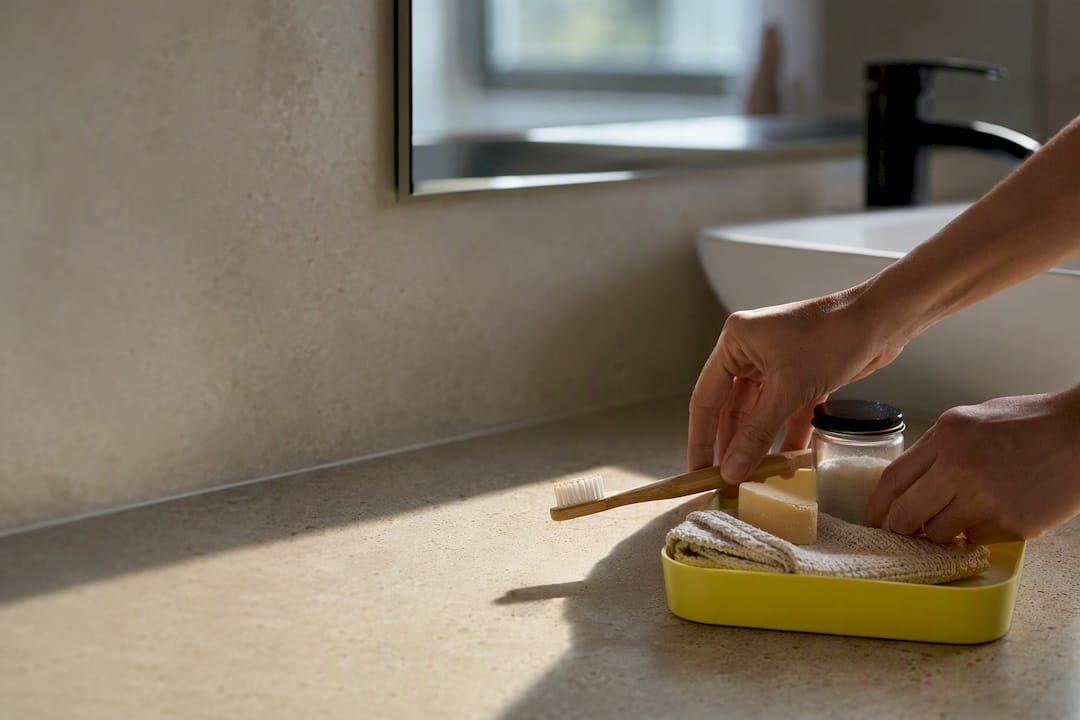
Start with the bathroom item you replace most often, not the one that looks most impressive on Instagram. Swap your oral care, hair and body products, or menstrual care first, since these categories churn through the most plastic per year. The Zero Store stocks plastic-free essentials that make several of these swaps painless, but the real win is picking one category and starting this week rather than trying to overhaul everything at once.
TL;DR:
- Replacing items like shampoo, toothpaste, and menstrual products offers the quickest reduction in plastic waste, especially when choosing concentrated or reusable options.
- Prioritizing items used frequently, such as razors or wipes, maximizes impact since their replacement yields faster waste savings.
- Using up existing products before switching to zero waste alternatives minimizes unnecessary waste and extends the lifespan of current supplies.
- Packaging choices, like buying in bulk or selecting recyclable and compostable materials, significantly influence the true sustainability of bathroom products.
- DIY recipes for cleaning and deodorant can replace commercial single-use items at minimal cost and with less plastic waste.
Table of Contents
- Zero waste bathroom swaps by category
- How to switch without wasting what you’ve already got
- Packaging matters as much as the product inside it
- DIY recipes worth trying before you buy anything new
- Cutting water use alongside your plastic swaps
- Why the “buy everything new” instinct works against you
- Where to buy plastic-free bathroom essentials
- Sources
- FAQ
Zero waste bathroom swaps by category
Nobody needs to replace every bottle in their shower on the same weekend. Working through categories one at a time makes the whole zero waste bathroom swaps project stick, and it stops you binning perfectly usable plastic before it’s worn out. The most sustainable move is to use up what you already own, then replace it with something better when it runs out.
1. Oral care
Bamboo or compostable toothbrushes replace the plastic handle that takes centuries to break down, and most bristles are still nylon, so check whether the brand offers a recyclable bristle-removal step before composting the handle. Toothpaste tubes are notoriously hard to recycle because they’re laminated plastic and metal fused together, which is exactly why toothpaste tablets, powders, or jarred paste have taken off. Compostable floss, usually silk or corn-fibre based, comes in refillable glass containers rather than the plastic dispensers most brands still use. Store it somewhere dry, since natural fibres degrade faster than nylon floss if they sit in a damp bathroom cabinet.
2. Hair and body
Shampoo and conditioner bars are the single highest-impact swap in this list. They’re concentrated, so one bar often lasts as long as two or three plastic bottles, which cuts down transport weight and the water footprint baked into bottled formulas. Bar soap for hands and body works the same way, and a wooden or cork soap dish with drainage grooves stops the bar turning to mush between uses, which is the main complaint people have when they first switch.
3. Shaving
A safety razor with swappable metal blades replaces the disposable plastic razors that get binned every few weeks. Blades are fully recyclable through most council metal recycling streams, but only once they’re stored safely. Keep a small metal tin or blade bank by the sink rather than tossing used blades loose in the bin, where they’re a genuine hazard to whoever empties it.
4. Makeup and wipes
Reusable cotton pads and washable makeup wipes eliminate the fibre-filled disposable wipes that contain plastic fibres and sit in landfill for decades. There are plastic-free makeup wipes available as an option if you want the convenience of a disposable-feeling wipe without the microplastic problem baked into most drugstore versions.
5. Toiletries and the toilet
Bamboo or recycled toilet paper cuts virgin pulp demand, but a bidet attachment goes further. Bidets use roughly 0.6 litres of water per use, which is a fraction of the water and energy tied up in producing, packaging, and transporting paper.
6. Period care
A menstrual cup, reusable pads, or period pants replace hundreds of disposable products a year. All three have upfront costs but typically last one to several years with proper care, so the packaging saved adds up fast.
7. Cleaning and bathroom supplies
Concentrated cleaners or a simple bicarbonate of soda and vinegar mix, kept in a reusable glass spray bottle, avoid shipping mostly water in single-use plastic bottles. The Zero Store’s Plastic Free Reusable Cleaning Cloths and dry wipes cover the wiping-down side without disposable paper towels.
8. Accessories and extras
- Wooden or bamboo hairbrushes and combs
- Reusable cotton bud alternatives with silicone or bamboo tips
- A drying rack or hook for cloths and wipes to stop mould building up in damp corners
End-of-life matters as much as the swap itself. Bamboo toothbrush handles, bar soap wrappers, and compostable floss genuinely break down in industrial composting, but bristles, razor blades, and some “compostable” plastics need specialist processing, not your backyard bin. Check the packaging for a certified compostable standard before assuming it’ll break down on its own.
How to switch without wasting what you’ve already got
Rushing a full bathroom overhaul in one weekend usually backfires. You end up with half-used plastic bottles in landfill and a cupboard full of reusables you haven’t learned to maintain yet. A slower, staged switch works better and costs less.
- Audit what’s in your bathroom now. List every single-use item and how often you replace it. This tells you which swap will save the most plastic first.
- Prioritise by frequency, not price. The item you rebuy most often (probably a razor, wipes, or shampoo bottle) gives the fastest payoff.
- Buy one replacement and use it properly before buying the next. Learning to dry a cleaning cloth or store a razor blade safely takes a week or two of habit-building.
- Integrate and maintain. Build the new item into your existing routine rather than treating it as an extra step.
Hygiene matters here. Dry reusable wipes and cloths flat, not folded, so they don’t stay damp between washes. Sanitise razor blades with rubbing alcohol between shaves if you’re sharing a bathroom, and always store spare blades in a closed tin.
When you’re comparing products, read past the “plastic-free” label. Look for greywater safe formulas, certified compostable packaging, and palm-oil free ingredients, since a product can tick the plastic-free box while still causing damage further down the drain.
Pro Tip: Don’t trust a vague “recyclable” claim on packaging alone. Plenty of products marketed as eco-friendly are genuinely difficult to recycle in practice , so favour reusable or verifiably compostable materials over recycling promises.
Cost works in your favour over time. Shampoo bars, safety razor blades, and toothpaste tablets all cost more upfront per unit than their disposable equivalents, but because they last longer or come without packaging markup, most people recoup the difference within three to six months.
Packaging matters as much as the product inside it
A “sustainable” bathroom product wrapped in three layers of plastic film defeats its own purpose. Before buying anything, check what the item actually arrives in, not just what it’s made of.
Look for products sold loose, in cardboard, or in home-compostable film rather than shrink-wrapped plastic. Refill stations, increasingly common in health food shops and some supermarkets, let you bring your own container for shampoo, conditioner, and liquid soap, cutting packaging to zero for that purchase. When shopping online, check whether a retailer ships in plastic air pillows or paper padding. Some Australian sellers now use compostable mailer bags and paper tape instead of plastic satchels, so it’s worth checking a brand’s shipping policy before checkout.
Buying in bulk also reduces packaging per use. A single large bar of soap or a bulk pack of toothpaste tablets carries far less packaging weight per wash or brush than the same volume split across several small bottles. If a product comes in a box, check whether that box is recyclable kerbside or needs a specialist drop off. Many “eco” boxes use mixed materials, like plastic-windowed cardboard, that complicate recycling rather than simplify it. The safest rule is the simplest: if you can’t tell what the packaging is made from or how to dispose of it, it’s probably not as sustainable as the label suggests.

DIY recipes worth trying before you buy anything new
Some of the cheapest zero waste bathroom swaps aren’t products at all. They’re recipes you mix in your own kitchen using ingredients you likely already own.
Basic homemade deodorant: Mix two tablespoons of coconut oil, one tablespoon of bicarbonate of soda, and one tablespoon of cornflour or arrowroot powder. Warm gently until combined, then set in a small reused jar. Test on a small patch of skin first, since bicarbonate can irritate sensitive underarms.
Simple toothpaste paste: Combine two tablespoons of bicarbonate of soda with enough coconut oil to form a paste, then add a drop of peppermint essential oil for flavour. This works as an occasional alternative rather than a full replacement, since it lacks fluoride, so check with a dentist if you rely on fluoride for cavity prevention.
All-purpose bathroom cleaner: A mix of white vinegar, water, and a few drops of eucalyptus or tea tree oil in a reused glass spray bottle handles taps, tiles, and mirrors without buying another bottled cleaner. Avoid using vinegar on natural stone surfaces, since the acid can etch marble or limestone over time.
None of these recipes need special equipment, and all of them keep single-use packaging out of the bathroom bin entirely. Start with whichever one replaces the product you buy most often.
Cutting water use alongside your plastic swaps
Zero waste swaps and water use go hand in hand. A shorter shower saves more water than almost any product change, and pairing the two multiplies the impact.
Cut shower time by even two minutes and you save several litres a day, depending on your showerhead flow rate. A low-flow showerhead reduces water use further without much difference in pressure, and most Australian hardware shops stock WELS-rated options that show exactly how many litres per minute they use. Turning the tap off while brushing your teeth or lathering with a soap bar, rather than letting it run, saves a surprising amount over a year once you add it up across a household.
Fixing a dripping tap matters more than people assume, since a slow drip can waste tens of litres a day without anyone noticing. If you’ve already switched to a bidet attachment, you’re using a fraction of a litre per use, which is a modest water cost against the resources saved from paper production. Bath water can also be reused for watering pot plants once it’s cooled, provided you’ve used a plant-safe, low-chemical soap. Small habits like these complement your plastic swaps rather than competing with them for attention.
Why the “buy everything new” instinct works against you
The biggest mistake people make with zero waste bathroom swaps isn’t choosing the wrong product. It’s the urge to replace everything at once, which usually means binning perfectly good plastic items before they’ve reached the end of their life. That’s not zero waste. That’s just swapping one kind of waste for another and calling it progress.

What gets underestimated is how much the packaging and shipping footprint of a “sustainable” purchase can undercut the benefit if you’re not paying attention. A bamboo toothbrush shipped individually in plastic film isn’t much of an improvement over the plastic one it replaced. The genuine win comes from combining material choice with packaging discipline and actually using what you buy until it wears out, not from having the most photogenic bathroom shelf.
I’d also push back on the idea that recycling symbols on a product mean much of anything by themselves. A lot of what gets marketed as “recyclable” or “eco” never actually gets processed that way in practice, which means the honest move is to prioritise things you reuse or genuinely compost over things you hope will get recycled somewhere down the line. An approach favouring materials that break down properly rather than materials that merely claim to reflects that same logic. It’s a slower, less flashy way to shop, but it’s the one that actually reduces what ends up in landfill.
— Damien
Where to buy plastic-free bathroom essentials
An Australian-owned alternative offers bathroom basics built around materials like PLA, PHA, and PBAT that are designed to break down properly rather than just claim to.

If you’re starting with makeup wipes, the Makeup Wipes range gives you a plastic-free alternative to the fibre-filled disposables most brands still sell, and the wider makeup wipes collection covers different pack sizes. For the cleaning swap, Plastic Free Reusable Cleaning Cloths replace paper towel and disposable wipes on bathroom surfaces, with the full cleaning collection covering cloths, dry wipes, and a commercial-grade option for heavier use. If you’re managing reusable nappies at home, the Plastic Free Nappy Waste Bag handles disposal without adding another layer of conventional plastic, and it sits alongside baby wipes in the baby collection.
Pick one swap, order it, and use it until it runs out before buying the next. That’s the whole strategy.
Sources
- Eco-friendly bathroom products | Ethical Consumer
- Recycling myth — Plastic Soup Foundation
- 17 Zero Waste Bathroom Swaps for a Plastic-Free, Eco-Friendly Bathroom
- A zero-waste bathroom: The ultimate guide - Live Bright Green
FAQ
What are some examples of zero waste bathroom swaps?
The highest-impact examples are shampoo and conditioner bars, bar soap, bamboo toothbrushes, toothpaste tablets, a safety razor, reusable cotton pads, and a menstrual cup or period pants. Cleaning cloths and dry wipes from ranges like Plastic Free Reusable Cleaning Cloths also cut single-use waste from routine cleaning.
What is the best alternative to toilet paper?
A bidet attachment is the most water-efficient alternative, using roughly 0.6 litres of water per use compared with the resources tied up in paper production and packaging. Bamboo or recycled toilet paper is the next best option if a bidet isn’t practical in your bathroom.
What are the 5 R’s of zero waste?
The commonly cited version is refuse, reduce, reuse, recycle, and rot (compost), applied roughly in that order of preference. Refusing unnecessary purchases and reducing what you buy matter more than recycling, since recycling claims are frequently overstated on packaging.
What is the most environmentally friendly type of toilet?
A low-flow or dual-flush toilet paired with a bidet attachment is generally considered the most water-efficient setup, since it cuts both flush volume and paper demand. Composting toilets exist for off-grid or rural properties, but they need specific plumbing and maintenance most standard bathrooms don’t have.
Do I need to replace everything in my bathroom at once?
No. The most sustainable approach is to use up what you already own, then replace items as they run out, rather than binning usable plastic to buy reusables immediately. Start with whichever product you rebuy most often for the fastest impact.
Share:
Store Leafy Greens Plastic Free in Australia and Keep Them 1–2 Weeks
Avoid Bin Rejection in Australia: AS 4736 vs AS 5810, 12 Weeks