
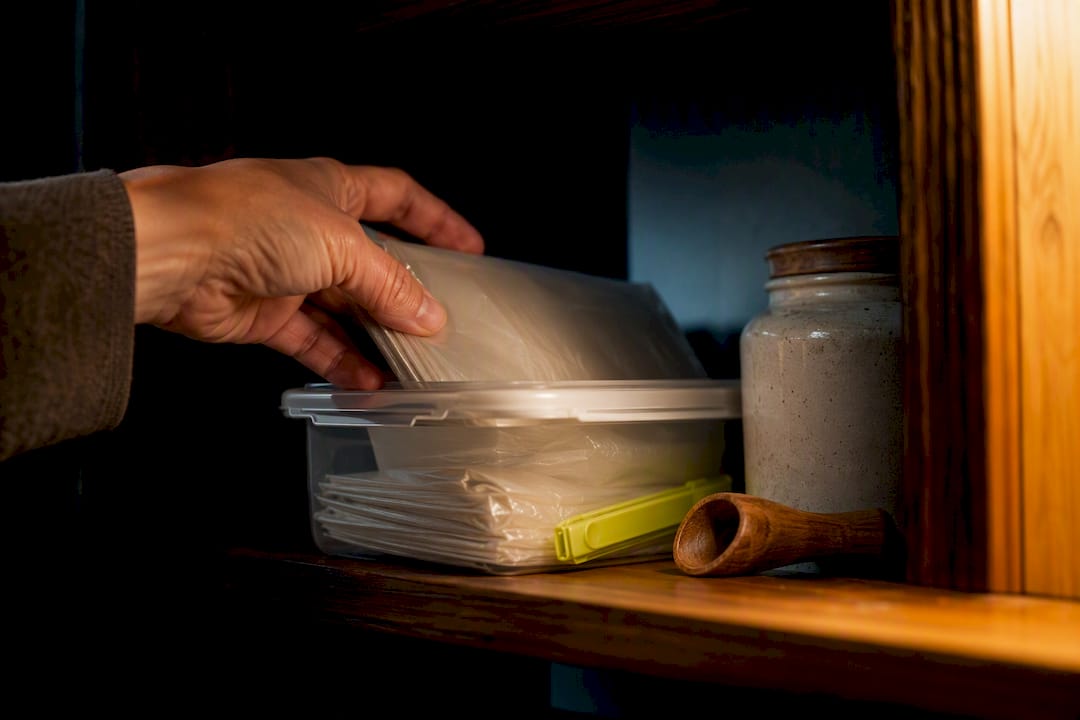
Most certified compostable bags stay useable for several months when stored properly, and the single rule that determines where you land in that range is simple: keep them cool, dry, dark, and sealed. Rotate older stock to the front and use it first. Leave a box in a hot garage or a humid laundry cupboard and that window shrinks fast, sometimes to a few months.
TL;DR:
- Proper storage in cool, dry, dark, and sealed conditions can extend compostable bag shelf life to over six months, especially for PLA-based products.
- Moisture sensitivity varies by polymer blend; starch and PBAT blends degrade faster and require stricter dryness than more stable PLA bags.
- Exposure to heat, humidity above 55%, UV light, and air accelerates breakdown, making resealed packaging and desiccants essential in humid climates.
- Certification confirms breakdown under specific conditions but does not guarantee shelf life; always check for manufacturer date and regional disposal guidance.
- Using and rotating stock within six to twelve months, and testing older bags before heavy use, ensures proper performance without risking contamination or early degradation.
Table of Contents
- What is the typical compostable bag shelf life reported by manufacturers?
- Do PLA, PBAT and starch blends age differently?
- Which storage conditions shorten compostable bag durability fastest?
- How should you store and rotate compostable bags at home?
- How can you tell if a compostable bag has degraded?
- Does certification guarantee how a bag will break down?
- What should you check before buying compostable bags?
- Storage rules matter more than the expiry date
- Buying the right bags for how you actually use them
- Sources
- FAQ
What is the typical compostable bag shelf life reported by manufacturers?
Manufacturer figures generally suggest a shelf life spanning several months, though most sellers quietly recommend a somewhat shorter planning figure rather than the outer edge of the range. That gap between “possible” and “sensible” catches a lot of buyers out, particularly households that stock up during a sale.
Why the spread? Three things drive it:
- Formulation. Bags built on PBAT and starch blends behave differently on the shelf to bags built mainly on PLA.
- Packaging. A resealed box or pouch holds humidity out far better than an open bag left in a drawer, as explained in detail in Que packaging usar para obleas comestibles sem comprometer segurança e.
- Climate and labelling. A supplier writing guidance for a temperate warehouse gives a different figure than one accounting for a tropical retail floor.
Certification adds confusion here too. A compostable bag shelf life claim and a compostability certification are not the same promise. Standards confirm a bag will break down under defined composting conditions, not that it will survive eighteen months in your pantry. One tells you what happens at end of life; the other tells you nothing about the months before it gets there.
Do PLA, PBAT and starch blends age differently?
Yes, and the difference matters more than most buyers realise. PLA (polylactic acid) tends to hold its shape and strength well while sitting on a shelf, even though its composting speed varies depending on the facility processing it. Starch and PBAT blends are the opposite story: they’re more moisture sensitive, which means they can soften, weaken, or turn slightly tacky sooner if humidity creeps in.
This isn’t a minor technical footnote. It changes how you should store each type:
- PLA bags: reasonably forgiving on the shelf, but check them before assuming they’ll compost quickly.
- PBAT/starch blends: need a genuinely dry environment, because moisture is what starts breaking the starch component down early.
- Blended products: often inherit the weaker link, so a bag built partly on starch will usually need the stricter storage conditions of that component.
The practical upshot: if a product page does not specify its polymer mix, treat it as moisture sensitive by default and store it accordingly.
Which storage conditions shorten compostable bag durability fastest?
Temperature, humidity, light, and air exposure do almost all the damage. Get these four right and a bag will comfortably sit at the longer end of its expected life.
- Temperature. Aim for roughly 15 to 25°C. A car boot, a hot garage, or a shelf above the dryer can swing well past that and accelerate breakdown.
- Humidity. Keep relative humidity under about 50 to 55%. Above that, starch blends in particular start absorbing moisture that weakens the film.
- Light. UV exposure degrades the polymer chains directly, so a sunny windowsill is one of the worst spots in the house.
- Air exposure. Leaving a box open lets moisture and oxygen in continuously, which is why resealing partially used packaging makes a genuine difference rather than a marginal one.
If you live somewhere humid, a small desiccant sachet dropped into the storage box or a sealed plastic tub around the original packaging buys extra months.
Pro Tip: Store compostable bags the way you’d store good tea or coffee: sealed, dark, and away from the stove. If it’s a bad spot for those, it’s a bad spot for your bags.
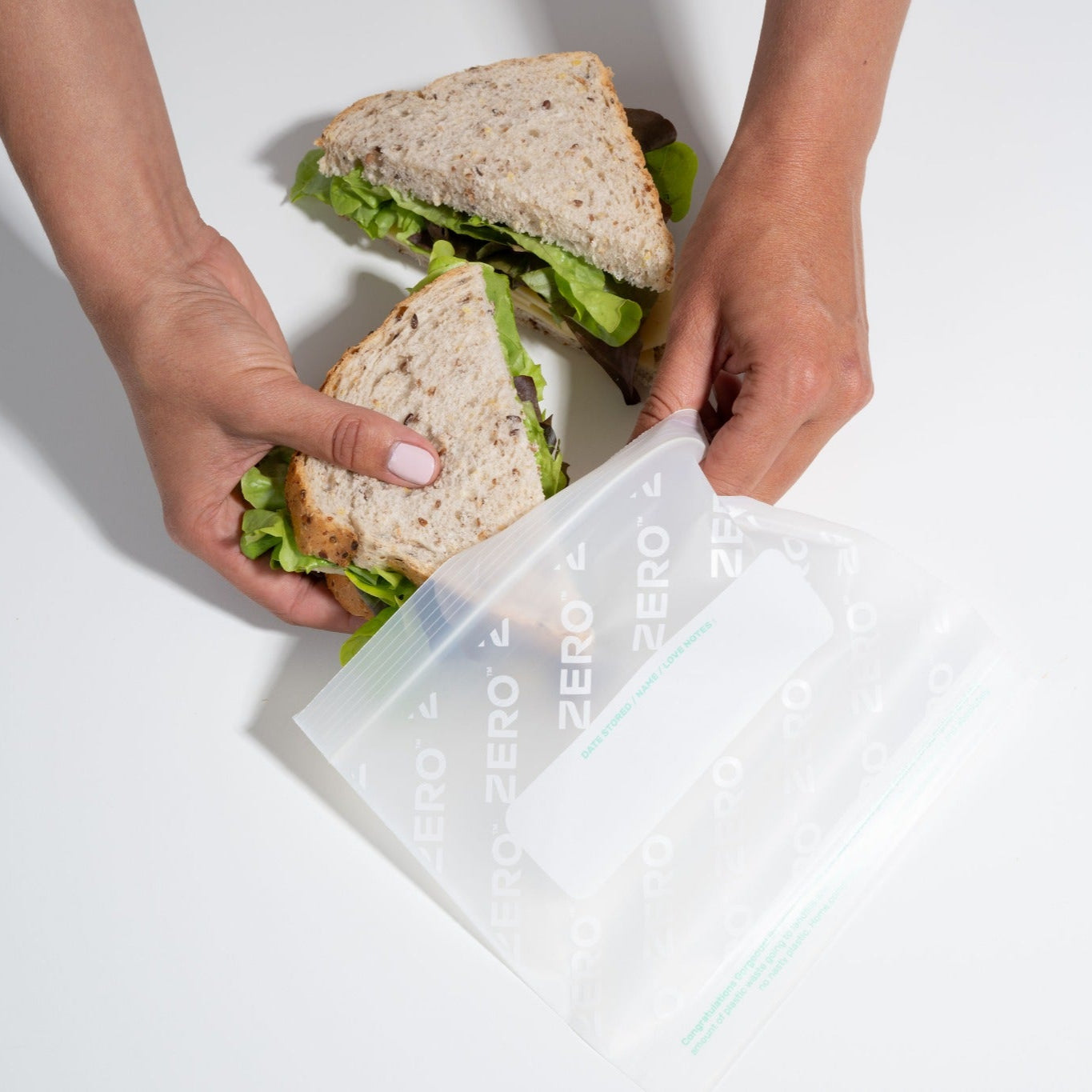
How should you store and rotate compostable bags at home?
Storage is only half the job. Stock rotation is important to protect shelf life.
- Pick a cool, enclosed spot away from heat sources.
- Keep bags sealed and consider moisture control in humid climates.
- Label purchase dates to help use older stock first.
- Purchase quantities that align with usage rates to avoid prolonged storage.
- Test older bags before using for heavy or wet waste.
Pro Tip: Bulk buying compostable bags only saves money if you use them before they degrade. A smaller order used within six months beats a large one that half-perishes in storage.
How can you tell if a compostable bag has degraded?
Degradation is progressive, not a single cut-off date, so trust your hands and eyes over the calendar.
- Brittle edges or fine cracking along the fold lines, especially where the bag has been creased in storage.
- A tacky or slightly sticky surface, which usually points to moisture uptake in a starch blend.
- Cloudiness in a film that used to be clear, another moisture and UV sign.
- Seam failure, where the heat-sealed edge lets go under light pressure rather than a hard pull.
A stretch test tells you fast: gently pull a corner. If it tears with barely any resistance, don’t trust it with anything wet or heavy. Degraded bags still have a job, though. They’re fine for dry paper waste, light packaging, or lining a small bin, just not for wet food scraps, greasy leftovers, or anything with sharp edges that will exploit a weak seam. When a bag is genuinely past use, compost it if home or council conditions allow. Don’t assume it belongs there automatically; check first.
Does certification guarantee how a bag will break down?
Certification indicates a bag meets breakdown standards under specific composting conditions but does not guarantee shelf life or acceptance at all composting facilities. Two standards come up constantly: BPI in North America and EN 13432 in Europe, both of which confirm biodegradation and disintegration under defined composting conditions, not shelf durability.
Industrial composting typically breaks these bags down over weeks to a few months under controlled heat and moisture. A 2024 study in Frontiers in Sustainable Food Systems found starch-based bags reached over 95% mass loss within six weeks at an industrial facility, while some PLA blends fell short of 90% under identical conditions. Home composting is a slower, gentler process, and only bags specifically certified for home use (OK Compost HOME, for example) reliably break down in a backyard bin.
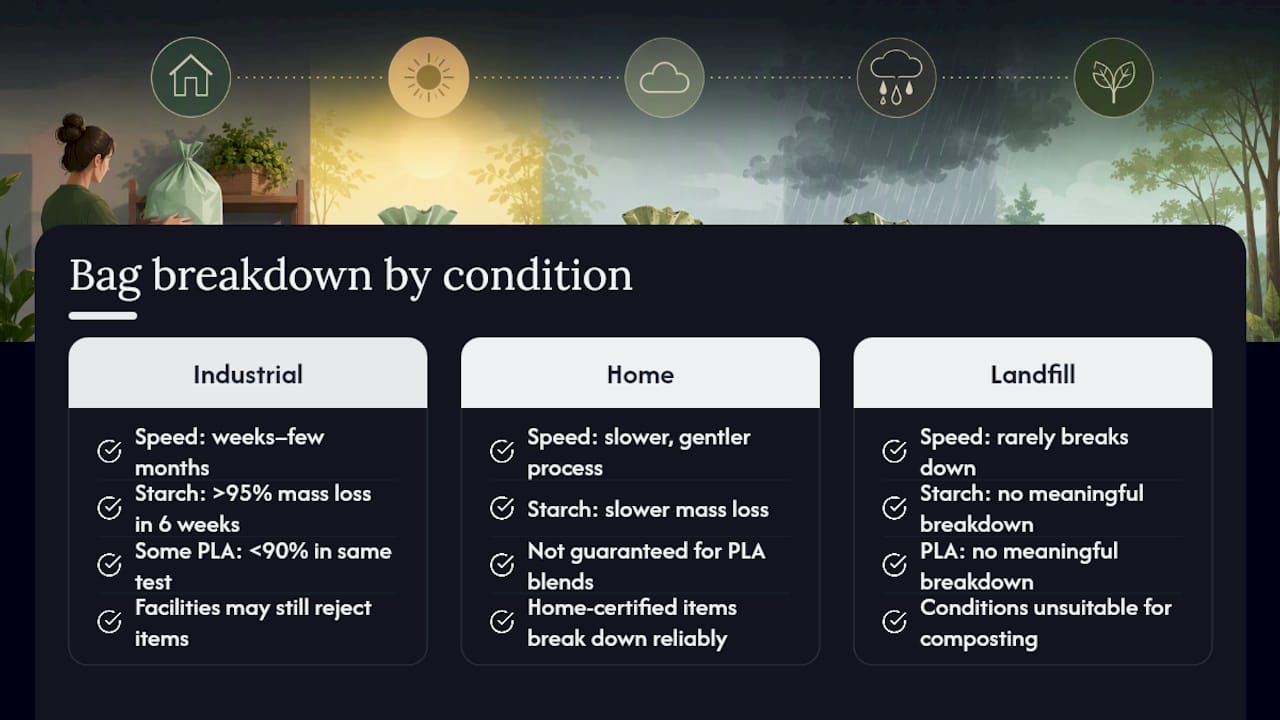
Councils and commercial composters sometimes reject bags anyway, usually over contamination risk or because a particular product isn’t on their approved list. Reporting on Australian waste streams has flagged exactly this problem: certified compostable items still turning up rejected at facilities. Always check with your local council before assuming acceptance, and remember landfill conditions rarely allow meaningful breakdown at all, certified or not.
What should you check before buying compostable bags?
A genuinely useful product page tells you four things: the polymer or blend used, which certification applies, a manufacture or batch date, and clear disposal guidance for your region. If a listing is missing all four, that’s a red flag worth taking seriously.
Some stores build their product specifications around exactly this checklist, alongside blog content explaining the practical difference between PLA and PBAT for buyers who want to know what they’re actually storing. Transparent labelling matters more here than in most household categories, because a vague “biodegradable” claim tells you nothing about certification or composting behaviour. Checking for a recognised mark rather than trusting marketing language alone is the single easiest way to avoid disappointment months down the track.
Storage rules matter more than the expiry date
Treat the shelf life on a compostable bag as a usability window, not a hard deadline stamped like a use-by date on milk. The degradation is gradual, driven by heat, moisture, and light chipping away at the polymer over time, so two households buying the same box can get very different results depending on where that box sits for the next year.
The advice that actually moves the needle is boring: buy what you’ll use within 6 to 12 months, keep the packaging sealed, store it somewhere cool and dark, and rotate stock so nothing sits forgotten at the back of a cupboard. Check the supplier’s own specs rather than relying on general rules of thumb, because formulations genuinely differ. Get storage and disposal right and you also cut down on contamination that causes composting facilities to reject loads in the first place.
— Damien
Buying the right bags for how you actually use them
Getting compostable bags right isn’t just about picking a brand. It’s about buying a quantity you’ll actually get through before storage conditions start working against you, and knowing exactly what you’re storing in the first place. Some sellers list material composition, certification, and disposal guidance clearly on product pages, so consumers are not left guessing whether a bag is a starch blend that needs a drier cupboard or a more shelf-stable PLA type.
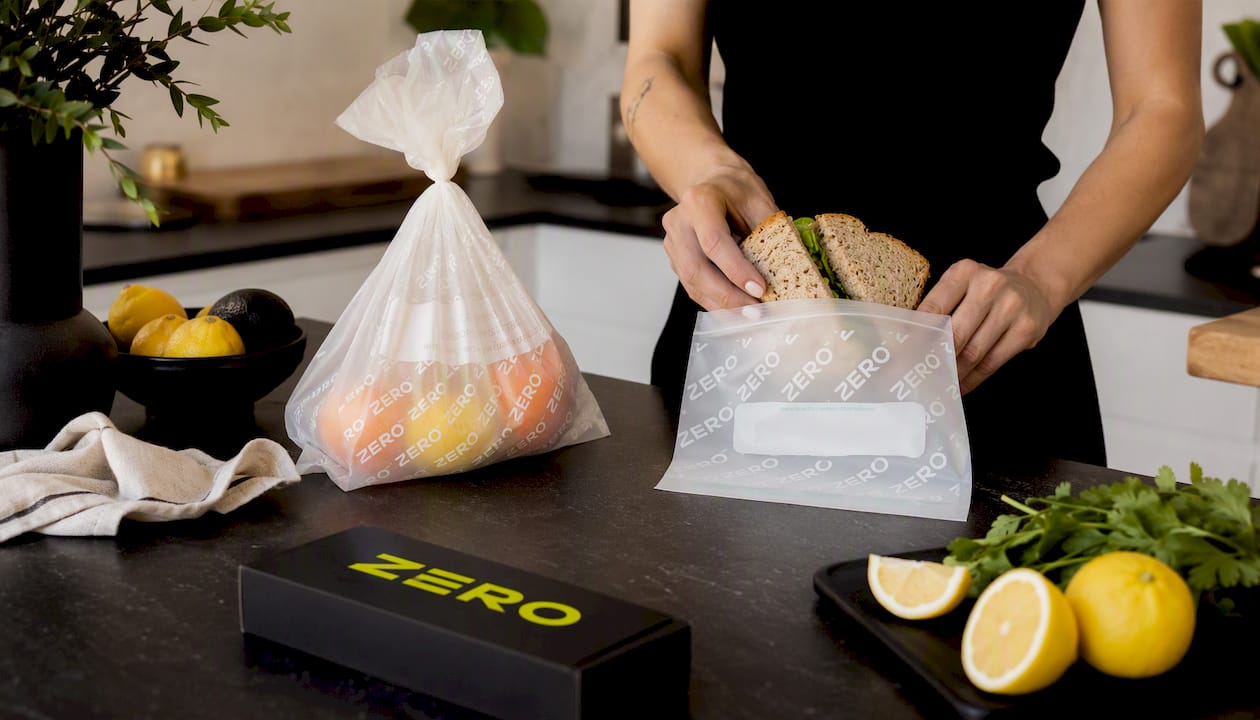
The Plastic Free Produce Bags (2 Pack) suit smaller households or anyone testing compostable options before committing to a bigger order, which keeps you well inside a sensible usage window rather than sitting on stock for years. For everyday food storage, the Plastic Free Resealable Food Storage Bags come with clear specifications so you know precisely what you’re buying and how to store it for the longest practical life. Buy an amount that matches roughly six to twelve months of use, keep the pack sealed between uses, and check the product page for storage guidance whenever you’re unsure.
Sources
The storage and durability figures in this piece draw on packaging industry guidance, a peer-reviewed composting study, and reporting on Australian waste contamination:
- Compostable Bags Shelf Life: How Long Do They Last & Storage Tips (2026) - Compostable Packaging Solutions | HemcBags
- Decomposition behaviour of commercially available BDP bags at an industrial composting plant - Frontiers in Sustainable Food Systems
- Breaking down compostable bags | Sierra Club
- Australia plastic contamination and compostable items reporting | The Guardian
For more on what happens after disposal, read how compostable bags behave in landfill.
FAQ
Do compostable bags degrade over time even unused?
Yes. Degradation is progressive and starts before you ever use the bag, driven mainly by heat, humidity, and light exposure during storage rather than a fixed expiry date.
Does bagged compost go out of date?
Compostable bags themselves have a usable window, typically 6 to 18 months under good storage, but they don’t have a single hard “use by” cut-off the way food does; quality declines gradually rather than dropping off a cliff.
Why are some compostable bags not accepted by composting facilities?
Local councils and commercial composting operators sometimes reject certified compostable bags over contamination risk or because that specific product isn’t on their approved list, so it’s worth checking acceptance with your local council before relying on kerbside collection.
Do compostable bags still contain microplastics?
Certified compostable bags made from PLA, PBAT, or starch blends are designed to biodegrade fully rather than fragment into persistent microplastics, though decomposition completeness still depends on the composting conditions and processing regime used.
Share:
4 Plastic Free Bowl Covers That Work in Australian Kitchens
2 Minute Check: Compostable Certifications Buyers Need