
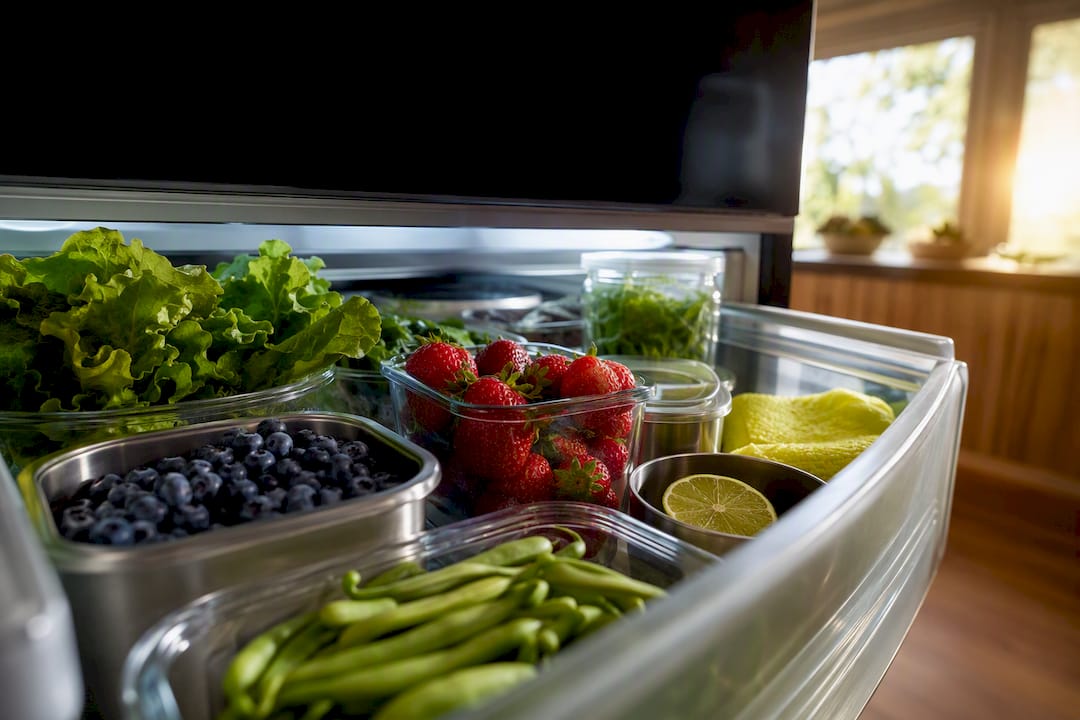
The fastest route to plastic free fridge storage is a simple material swap: replace cling film with a plate, beeswax wrap or reusable lid, move leftovers into borosilicate glass, and use food-grade silicone bags for anything going in the freezer. Start with one drawer tonight. The rest of this guide walks through exactly which material suits which food, how to freeze without plastic, and a starter kit to make the whole switch painless.
TL;DR:
- Glass containers made of borosilicate handle temperature swings and do not retain odors or bacteria, making them ideal for fridge storage.
- Freezing liquids in straight-sided glass jars with proper headspace prevents breakage, while silicone bags should be laid flat to save space and avoid leaks.
- Material durability depends on temperature resistance, ease of cleaning, and biodegradability; borosilicate glass and food-grade silicone score highly in all areas.
- Replacing plastic wrap with compostable cling wrap and gradually switching out other items helps build sustainable habits without overwhelming.
- Food safety relies more on maintaining fridge temperatures between 0°C and 5°C than on sealing methods, so start by controlling storage conditions first.
Table of Contents
- Quick swaps for plastic free fridge storage
- How to store common fridge foods without plastic
- Freezing food without plastic: what actually works
- Choosing safe, durable materials for fridge storage
- The Zero Store’s approach to plastic free fridge storage
- Why the “buy everything new” advice misses the point
- Start your plastic-free swap with The Zero Store
- Sources
Quick swaps for plastic free fridge storage
You don’t need to overhaul your kitchen in a weekend. Most Australian households get a large portion of the way there with five category swaps, each solving a different storage problem.
- Glass containers and jars: borosilicate glass handles fridge-to-oven temperature swings without cracking and doesn’t hold onto smells or bacteria the way scratched plastic does, according to Food Standards Australia New Zealand.
- Stainless steel containers: near-indestructible for lunchboxes and pantry staples, though they’re not microwave-friendly.
- Food-grade silicone bags: flexible, reusable, and freezer-safe when they’re genuinely food-grade rather than a cheap blend.
- Beeswax and plant-based wraps: breathable covers for bowls, cut veg and cheese, moulded by the warmth of your hands.
- Cloth or paper produce bags: better than plastic for leafy greens and herbs that need to breathe, not suffocate.
You already own half of this. Old jam jars, pasta sauce jars and even IKEA’s 365+ glass range work as well as anything bought specifically for the job.
How to store common fridge foods without plastic
Different foods fail in different ways once you strip out plastic, so the fix isn’t one rule. It’s a handful of small habits matched to what you’re storing.
- Herbs: trim the stems and stand basil, coriander and parsley upright in a jar with a few centimetres of water, loosely covered. Basil prefers room temperature on the bench; parsley and coriander last longer in the fridge door.
- Leafy greens: line a container with a lightly damp tea towel and store greens flat rather than crushed in a bag. Bruising, not lack of plastic, is what kills lettuce early.
- Cheese: hard cheeses like cheddar or parmesan breathe well under beeswax wrap, which lets moisture escape instead of turning the surface slimy. Soft, wet cheeses like ricotta or brie do better sealed in a glass container with a lid.
- Cured meats and deli items: keep these in sealed glass, not wrap, since fattier cured meats can degrade beeswax coating over time.
- Cut fruit and vegetables: cool completely, then jar them. If you’re using a silicone bag for something wet, like chopped tomato, make sure the seal is fully closed. A half-closed silicone bag is worse than no bag at all.
- Leftovers: cool to room temperature before sealing, store in glass with a tight lid, and label with the date. Two days is generally the safe window for most cooked leftovers in the fridge.
Carrots and celery are the easiest win in the whole list: stand the stems in a jar of water and change it every few days. They’ll stay crisp for weeks rather than the sad, bendy state they reach in a plastic bag within days.
Freezing food without plastic: what actually works
Freezing is where most plastic-free attempts go wrong, usually because someone tries to freeze soup in a jar with no headspace and ends up with shattered glass on a Tuesday morning. Straight-sided jars are non-negotiable for liquids in the freezer. Curved jars trap expanding ice and crack under the pressure.
- Cool soups and sauces to fridge temperature before freezing, then leave roughly 1 to 2 inches of headspace in the jar for expansion, a method Pip Magazine recommends for straight-sided jars specifically.
- Lay silicone bags flat on a tray to freeze, then stack them upright once solid. It saves freezer space and makes them easy to grab and thaw.
- Skip beeswax wrap for anything very wet or liquid. It’s designed to breathe, not seal, so it’s the wrong tool once ice crystals are involved.
- Label everything with contents and date. Frozen glass and frozen silicone both look identical to last week’s dinner within a month.
Pro Tip: Freeze soup or stock in ice cube trays first, then transfer the frozen cubes into a jar or silicone bag. You get portion control and skip the headspace guesswork entirely.
Repeated freezing and reheating in low-grade plastic containers can also increase how much microplastic sheds into your food, which is one more reason glass and stainless steel win out for anything going in and out of the freezer regularly, per Which?.
Choosing safe, durable materials for fridge storage
Material choice comes down to three questions: does it handle temperature changes, does it stay clean easily, and does it degrade over time. Get those three right and the rest sorts itself out.
Borosilicate glass wins on all three counts for fridge use. It’s non-porous, so it won’t absorb onion or curry smells the way older plastic containers eventually do, and it copes with the shift from fridge to bench without warping. This matters more than it sounds, given that food safety guidance recommends keeping your fridge between 0°C and 5°C at all times, meaning containers are constantly cycling through temperature changes as they’re pulled out and put back.
- Stainless steel: excellent durability, but skip it for anything you’ll want to reheat in the microwave.
- Silicone: quality varies enormously between brands. Look for food-grade, platinum-cured silicone rather than a cheap blend, since lower-grade silicone can degrade faster and leach odours into food.
- Beeswax wrap: not suitable for raw meat or very wet foods, and it shouldn’t go near direct heat, but it composts at the end of its life, according to Connie and Luna.
- Cleaning: wash silicone and beeswax by hand in cool water where possible. Hot water and harsh detergent shorten the life of both.
The Zero Store’s approach to plastic free fridge storage
The Zero Store builds its range around bio-polymers like PLA, PHA and PBAT rather than conventional plastic, aiming for products that are genuinely biodegradable and free of the chemicals that turn up in cheaper cling wraps. As an Australian-owned business, the range is built with local kitchens and Australian food habits in mind, and the company is working towards wider shelf presence in major grocery chains.
A sensible starter kit looks like this:
- Resealable bags for lunches, snacks and freezer portions.
- Produce bags for loose fruit and veg at the supermarket or greengrocer.
- Plastic-free cling wrap to cover bowls and wrap sandwiches without the usual film.
The smartest approach is gradual: use up the plastic you already own, replace items as they wear out, and test one drawer of the fridge at a time rather than binning everything at once. Plastic Free July backs this staged approach too, and it’s far more sustainable as a habit than an all-in weekend purge that fizzles out by March.
Why the “buy everything new” advice misses the point
Most plastic-free guides read like shopping lists, and that’s the wrong starting point. The households that actually stick with this don’t buy a matching set of containers in one go. They swap the one thing that’s annoying them most this week, whether that’s soggy lettuce or a drawer full of cracked cling film boxes, and build from there.
The overlooked detail in most advice is temperature discipline, not material choice. A £40 glass container set sitting in a fridge running at 8°C achieves nothing useful. Food safety starts with the fridge itself sitting between 0°C and 5°C, and only then does the container matter. Get that wrong and the best borosilicate set in the world won’t save your leftovers.

The other misconception worth challenging: airtight isn’t always the goal. Bread and some cheeses last longer under breathable cloth or wrap than sealed in glass, where trapped moisture speeds up mould. Match the material to the food’s actual needs, not to a blanket rule that “sealed is safer”.
Start with the fridge thermometer and the food you throw out most often. Everything else follows from there.
— Damien
Start your plastic-free swap with The Zero Store
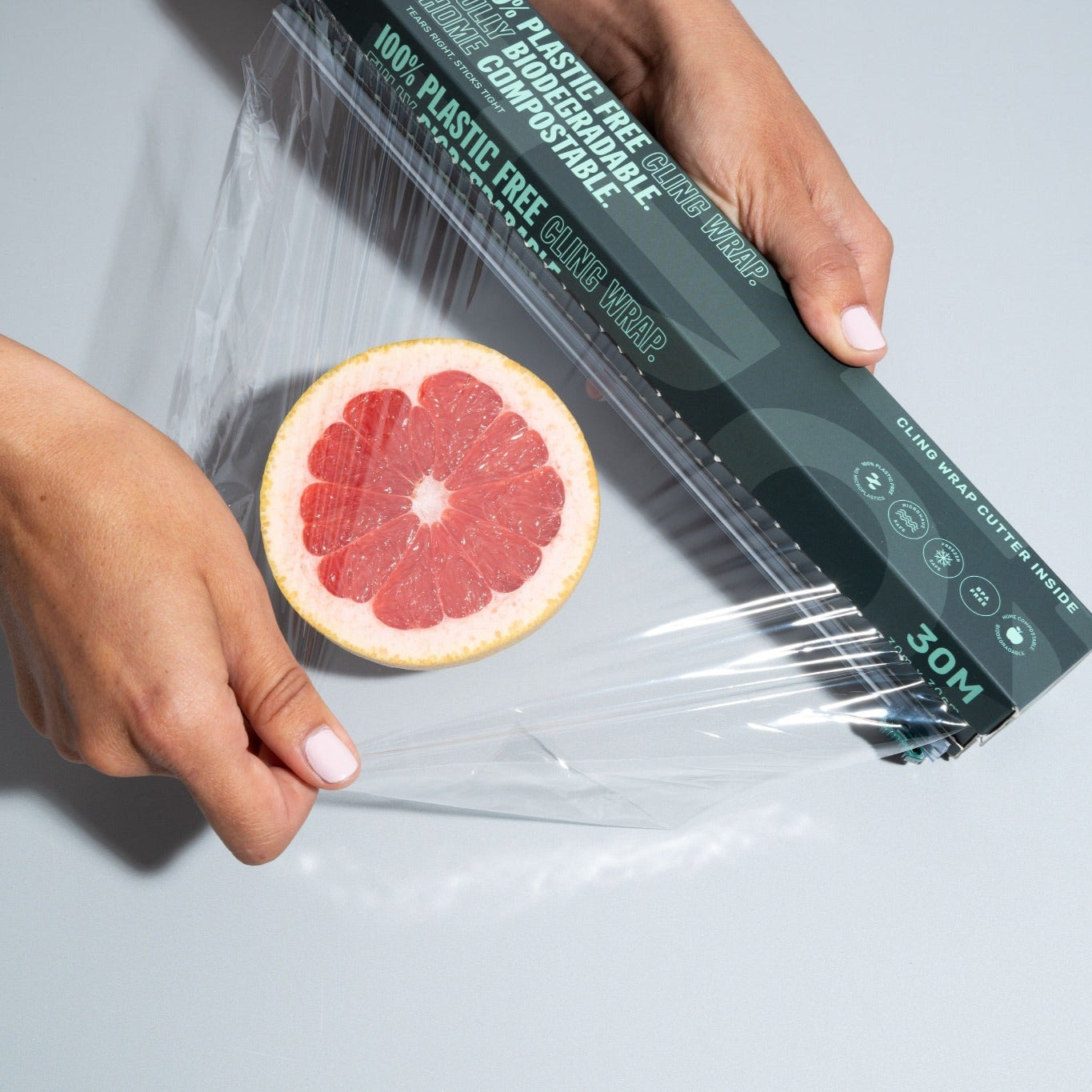
If cling film is the thing driving you mad every week, Plastic-Free Cling Wrap from The Zero Store is the direct swap. It behaves like the film you’re used to, but it’s made from compostable bio-polymers instead of conventional plastic, so it breaks down at the end of its life rather than sitting in landfill for centuries.
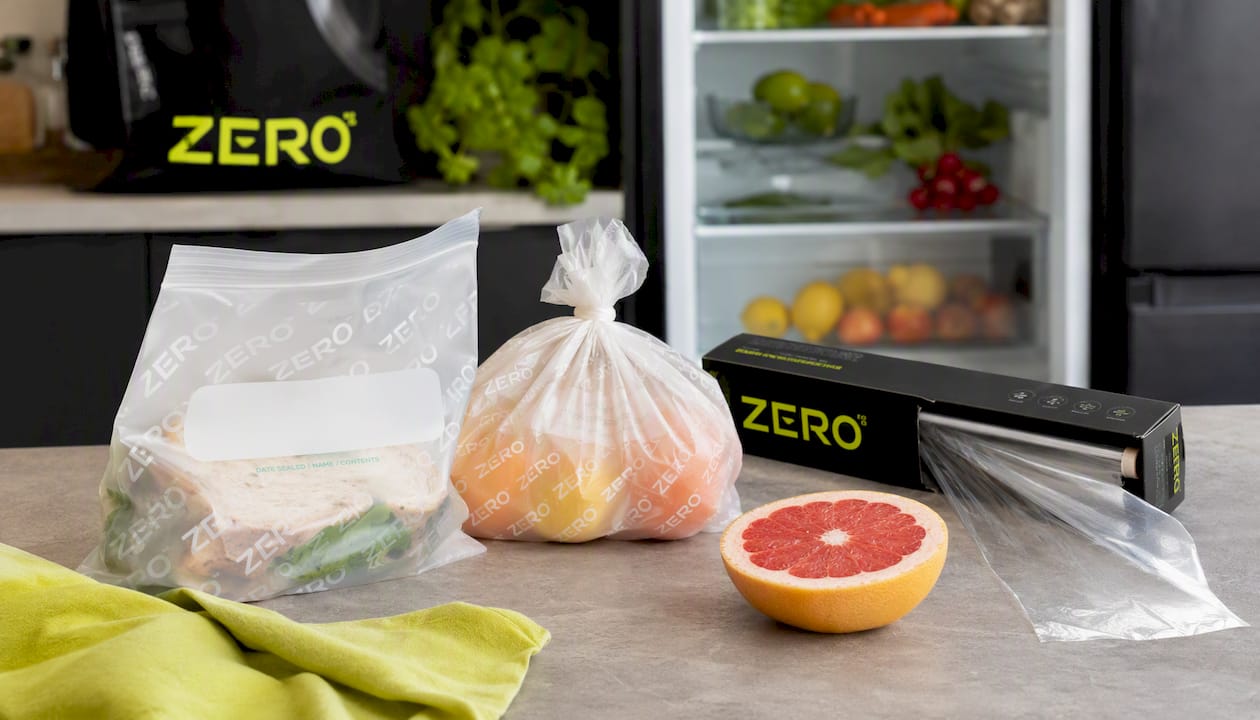
For lunches, snacks and freezer portions, the Resealable Food Storage Bags hold a seal properly, unlike the flimsy reusable bags that split after a few washes. And for anyone still bagging loose mushrooms and capsicum in single-use plastic at the supermarket, the Plastic Free Produce Bags two-pack solves that specific habit without adding another item to remember.
If you’d rather compare compostable options more broadly before you buy, this guide to compostable bags is a useful read. Otherwise, pick the one swap that’s bothering you most this week and start there, whether that’s the cling film drawer or the produce bags at the checkout.
Sources
- Which? — How to store food for longer without using plastic
- Pip Magazine — Plastic‑free food storage: easy tips for a low‑waste kitchen
- Plastic Free July
Share:
How to wash reusable produce bags so they last in Australian kitchens
Businesses: Avoid Rejected Loads in Australia’s Industrial Composting