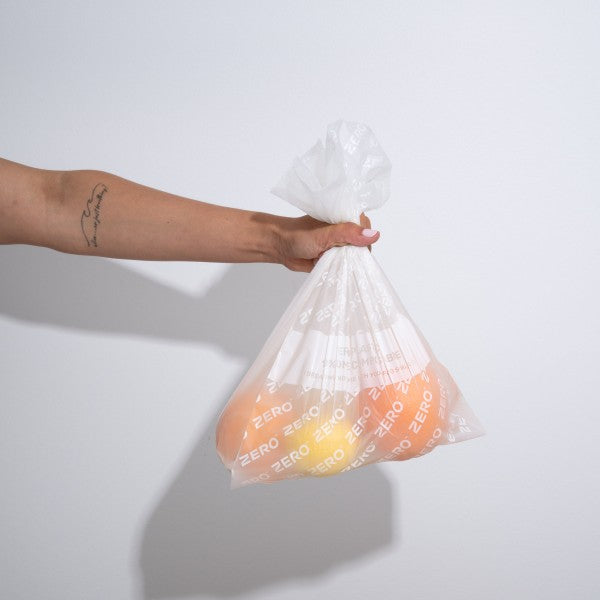
For most reusable produce bags, the safest routine is a cold or cool gentle wash by hand or on a delicate machine cycle, with a mild fragrance-free detergent, followed by air-drying in the shade. Hand-washing suits fine mesh best; a gentle machine cycle works for sturdier cotton or polypropylene bags. Different materials need different handling, which the next section covers in detail.


TL;DR:

  • Hand-washing with a mild, fragrance-free detergent in cool water is best for preserving mesh and seam integrity, especially for delicate fabrics.
  • Avoid hot washes, aggressive scrubbing, and bleach, as these cause fibres to weaken, trap odors, and shorten the lifespan of produce bags.
  • Prepare bags by emptying, turning inside out, and separating raw-food contact bags to reduce cross-contamination risks and prevent damage during washing.
  • Mesh, nylon, and polyester bags should be washed gently by hand or with a delicate machine cycle, and air-dried in shade to prevent deterioration.
  • Replace bags when they show signs of physical damage, persistent odors, or if they leak when tested with small weights.

Table of Contents

Why wash reusable produce bags in the first place?

Leafy bits, soil, and juice residue left in a bag don’t just look messy. They trap moisture, and trapped moisture breeds mould and odour within days, particularly in warm Australian kitchens. That same buildup creates a cross-contamination risk if the same bag goes from raw chicken thighs to a bunch of spinach without a wash in between.

It’s tempting to think a hotter wash or a harder scrub gets bags cleaner. It usually does the opposite. Low-agitation, cold or cool washing preserves mesh and seam integrity, while aggressive scrubbing, high heat, and bleach erode fibres and trap smells rather than lifting them, according to fabric-care guidance from UNH Extension.

  • Odour that lingers after washing usually points to detergent residue, not dirt.
  • Mould spots often start at the seams, where moisture sits longest.
  • Overwashing on hot cycles is one of the most common causes of premature bag failure.

Practitioners have observed that machine washing can significantly reduce a delicate mesh bag’s usable life compared with gentle hand-rinsing, which is reason enough to hand-wash your best bags rather than toss them in with the towels.

How do you prepare produce bags before washing?

A quick prep routine stops washing from doing more damage than the mess itself.

  1. Empty and shake out any leftover leaves, crumbs, or soil straight after use, ideally before it dries onto the fabric.
  2. Turn each bag inside out so seams and corners, where residue collects, are exposed to the wash rather than hidden.
  3. Separate bags that touched raw meat or seafood from your fruit and veg bags, and label them if you have several similar ones. Cross-contamination risk drops sharply when raw-food bags are kept apart and stored dry.
  4. Check seams, cord locks, and any printed logos for early wear, and dab a damp corner on a print to check for colour bleed before a full wash.

That last step matters more than it sounds. A bag with a bleeding print or a fraying cord lock needs gentler treatment than a brand-new one, not the same default cycle.

How to wash by material: mesh, cotton, bamboo, and more

Not every produce bag deserves the same wash. Fabric type dictates temperature, agitation, and drying method, and getting this wrong is the fastest way to shorten a bag’s working life.

  • Mesh, nylon, and polyester: Hand-rinse where possible, or use a delicate machine cycle in a laundry bag. Skip the spin cycle and keep these out of direct sun when drying. The American Cleaning Institute notes that nylon and polyester generally prefer hand-wash or gentle handling over a standard cycle.
  • Cotton: Tolerates warmer washes better than synthetics, but expect some shrinkage over time. A gentle cycle with cool-to-warm water keeps that to a minimum.
  • Bamboo or hemp: Hand-wash with a mild detergent, or use the gentlest machine setting available. Reshape the bag while it’s still damp, then air-dry, since these natural fibres can stiffen or distort if left to dry crumpled.
  • Polypropylene non-woven bags: These are generally machine-safe on a gentle, cold cycle, according to The American Cleaning Institute. Air-dry rather than tumble-dry to keep the material from going brittle.
  • Insulated or coated bags: Spot-clean or wipe down instead of submerging, especially if there’s seam tape or a plastic-style coating inside. Full immersion can break down the adhesive over time.

Pro Tip: Keep one laundry bag in your kitchen drawer just for produce bags. Toss used ones straight in after emptying and shaking them out, and you’ll always have a full, sensible load ready rather than washing two bags on their own.

What’s the best way to machine wash produce bags?

If hand-washing every bag feels like a chore, a gentle machine cycle works fine for sturdier fabrics, provided you follow a few rules that protect the mesh and seams.

  1. Put three or four bags together inside a zippered laundry bag so they don’t tangle with cord locks or seams on other items.
  2. Select the delicate or gentle cycle, cold water, and low or no spin, ideally under 400 RPM.
  3. Use a small amount of mild, fragrance-free detergent, roughly half the usual dose, and skip fabric softener and bleach entirely.
  4. Take bags out as soon as the cycle ends and hang them to air-dry rather than leaving them damp in the machine.
  5. Avoid washing produce bags alongside items with zips, hooks, or coarse fabric that can snag the mesh.

Stiffness after a wash almost always means detergent residue or mineral buildup from tap water, not dirt that wasn’t removed. A rinse-heavy cycle with less detergent, not more, usually fixes it. VeggieSaver recommends running an occasional extra rinse cycle to clear soap residue that a single rinse can leave behind.

Is hand-washing better for everyday hygiene?

For most people, a quick hand-wash after a shopping trip takes less time than loading a machine, and it’s gentler on delicate mesh.

  1. Fill a basin with cool water and a small squeeze of mild detergent, then swish the bag gently for 30 to 60 seconds.
  2. Turn it inside out partway through so the seams, where residue tends to sit, get properly rinsed.
  3. Rinse under running water until no suds remain, then press the water out gently between your palms rather than wringing or twisting the fabric.

A brief soak in diluted white vinegar can help with lingering odour, but keep it short and rinse thoroughly afterwards, since repeated or prolonged acidic soaks can weaken synthetic fibres over time.

Pro Tip: A 30 to 60 second gentle swish and a full rinse removes the vast majority of surface microbes picked up from fresh produce, according to UNH Extension’s fact sheet, without the shear forces that create micro-tears in fine mesh.

How should you dry and store produce bags?

Drying and storage decisions matter almost as much as the wash itself, and they’re where a lot of good intentions go wrong.

  • Air-dry bags in the shade, not on a sunny windowsill or clothesline in direct sun. UV exposure accelerates breakdown of synthetic fibres, weakening the weave long before it looks damaged.
  • Never tumble-dry produce bags. High heat causes shrinkage and can collapse the fine pores in mesh fabric, which then holds onto moisture rather than letting it evaporate.
  • Store bags only once fully dry, in a spot with decent airflow, and keep raw-food bags separate from produce bags even in storage.
  • A breathable basket or open tote near the pantry works better than a sealed drawer, and rotating which bags you grab first spreads out wear evenly across your collection.

What’s the safest way to remove stains and odours?

Most stains and smells respond to gentle, targeted treatment rather than anything harsh.

  • For lingering odour, a short soak in diluted white vinegar, no more than a few minutes, followed by a thorough rinse usually does the job.
  • Pigmented stains like berry juice respond to a baking soda paste rubbed gently into robust fabrics like cotton or hemp. Avoid rubbing fine mesh, which can distort under pressure.
  • Protein-based residue, such as from meat or eggs, often lifts with a diluted hydrogen peroxide spot treatment, applied briefly and rinsed well afterwards.
  • If a stain doesn’t shift after one treatment, wash again gently rather than reaching for a stronger chemical or a hotter cycle. Repetition beats intensity here.

Pro Tip: Test any stain treatment on a small hidden patch first, especially with dyed or printed bags, since even mild chemicals can affect colour before you notice any change in the stain.

When should you replace a reusable produce bag?

No bag lasts forever, and using a failing one past its point brings real hygiene risk.

  • Visible thinning at the top seam or drawstring channel, or stitching that’s started to gape, means the bag is structurally compromised.
  • A cord lock that’s lost its grip and slips open under light weight is a clear sign of wear.
  • Odour that persists after a correct, gentle wash, rather than clearing, suggests the fibres themselves have broken down.
  • A simple test: hold roughly 100 grams of rice or a similar dry grain in the bag. If it leaks through the mesh or the seams strain visibly, retire the bag.

Why trust this advice on caring for produce bags?

The Zero Store is an Australian-based e-commerce platform built around plastic-free, biodegradable, and compostable household essentials, with a particular focus on products that hold up to genuine everyday use.

  • The Zero Store’s Plastic Free Produce Bags are designed with material transparency and care instructions built into the product page, so buyers know exactly what they’re washing.
  • Its resealable food storage bags use bio-polymers such as PLA, PHA, and PBAT, reinforcing a wider commitment to genuine alternatives to single-use plastic.
  • The brand’s resealable bags collection includes detailed specifications and certifications, so shoppers aren’t guessing about what a product is actually made from.

This guide is written by Damien, drawing on established fabric-care research and hands-on familiarity with how plastic-free household products perform day to day.

What actually matters most in caring for these bags?

Most care guides get one thing backwards: they treat washing as the risk to manage, when overwashing and overheating cause more damage than dirt ever does. The instinct to hot-wash a produce bag “to be safe” is understandable, but it’s usually the thing that kills the bag early.

Plastic Free Produce Bags (2 Pack)

The advice that gets skipped most often isn’t about detergent or temperature. It’s about restraint. A quick shake-out and turn-inside-out after each trip, paired with an occasional gentle wash, beats an aggressive weekly scrub every time. Bags fail at the seams and cord locks long before the mesh itself gives out, so that’s where your attention should go first, not the fabric surface.

If there’s one thing worth prioritising, it’s buying bags built to survive gentle care in the first place. A bag that needs harsh treatment to stay hygienic was arguably under engineered to begin with, and Australian-made, plastic-free bags designed with washing in mind, rather than as an afterthought, hold up far longer.

— Damien

Which Zero Store products make bag care easier?

The Zero Store’s Plastic Free Produce Bags (2 Pack) are built from materials chosen specifically to handle repeated gentle washing without breaking down early, so you’re not fighting the fabric every time you clean it.

Plastic Free Produce Bags (2 Pack)

Pair them with Reusable Cleaning Cloths for wiping down insulated or coated bags between washes, and Cleaning Wipes for a quick sanitise when you’re at the market and can’t get to a sink. Once your produce is washed and your bags are drying, resealable food storage bags keep everything fresh in the fridge without a scrap of single-use plastic. For related soft food-contact items, My Wren’s guide to reusing milk storage bags covers similar hygiene principles worth knowing.

Ready to swap out bags that don’t survive a gentle wash? Browse The Zero Store’s produce bags and stock your kitchen with plastic-free essentials built to last.

Sources

Latest Stories

This section doesn’t currently include any content. Add content to this section using the sidebar.