
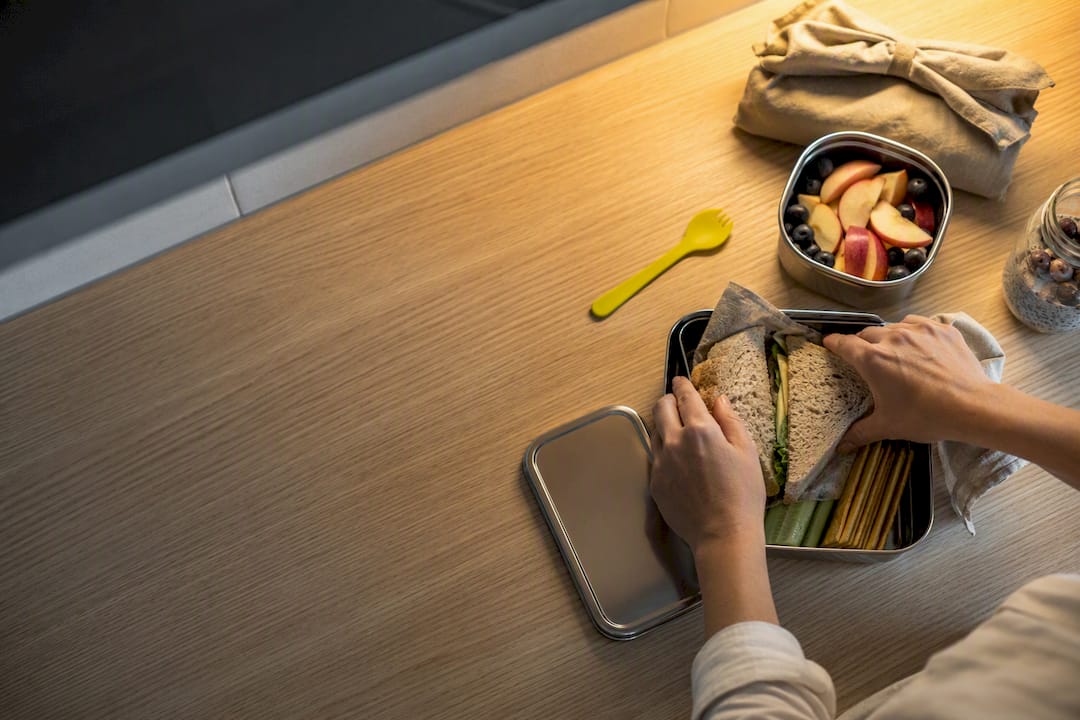
The essential kit is smaller than most parents expect: one stainless-steel main container, two or three small glass or silicone jars for wet food, a beeswax or cloth wrap for sandwiches, reusable cutlery, and a refillable bottle. That’s it. The real work isn’t buying gear, it’s building a Sunday batch-prep habit around it, because a drawer full of unused containers solves nothing.
TL;DR:
- Stainless steel containers are durable and ideal for dry snacks and backpacks that undergo rough handling, but they are not microwave-safe.
- Glass containers are suitable for reheating food and providing clear visibility, though they are heavier and prone to breakage.
- Silicone offers flexibility and leakproof sealing, making it useful for wet snacks and tight spaces, but cheaper grades may retain odors.
- Replacing disposable cutlery, snack bags, and cling film with reusable options like metal utensils, bio-polymer bags, and beeswax wraps involves minimal effort and promotes longer-term waste reduction.
- Building a weekly routine of batch-prepping, organizing, and gradual item swaps helps ensure consistent adoption of plastic-free lunch habits and prevents food wastage or resistance.
Table of Contents
- Plastic free lunchbox ideas: choosing the right container materials
- Bento box without plastic: meal and snack ideas that travel well
- Your weekly packing routine for plastic-free school lunches
- The materials behind the swap: what compostable actually means
- Zero waste lunch tips: the easiest single-use swaps to make first
- Cleaning and maintenance: keeping containers hygienic and lasting longer
- Getting children on board with plastic-free lunchboxes
- Where to find affordable plastic-free lunchbox gear
- Plastic vs plastic-free: the real environmental difference
- Author’s note: start with one swap
- Getting started with The Zero Store’s plastic-free basics
- Sources
- FAQ
Plastic free lunchbox ideas: choosing the right container materials
Not every container suits every meal, and picking the wrong one is why a lot of plastic-free attempts stall by week two. Stainless steel is the workhorse: it’s dent-resistant, doesn’t hold odours or stains, and a good bento-style box will outlast a school career. It’s not microwave-safe, so it suits cold or room-temperature food best.
Glass handles reheating without the smell of yesterday’s curry lingering, and you can see exactly what’s inside, which matters when a five-year-old refuses to open anything unfamiliar. The trade-off is weight and breakage risk, so glass works better for home-packed lunches that don’t get thrown around in a school bag.
Food-grade silicone splits the difference. It’s light, genuinely leakproof when the seal is decent, and flexible enough to squash into a tight bag. Cheaper silicone can retain smells over time, so it pays to buy from a brand that states its grade.
Beeswax and cloth wraps are the most misunderstood option. They’re excellent for dry sandwiches, wraps, and cut fruit, but they’re not designed for raw meat, very wet foods, or the microwave, and they need a quick cool wash rather than a hot dishwasher cycle. Treat them as a cling film alternative for dry items, not a universal replacement.
There’s also a genuine health argument here. Reheating food in some plastics is linked to chemical leaching and microplastic exposure, which is why swapping to inert materials like glass or stainless steel for anything going near heat is as much a food-safety move as an environmental one.
A quick reference for what suits what:
- Stainless steel: best for sandwiches, dry snacks, and anything that gets knocked about in a bag.
- Glass: best for reheated leftovers and foods you want to see clearly.
- Silicone: best for squeezing into tight spaces and packing wet snacks like yoghurt.
- Beeswax/cloth wrap: best for dry sandwiches, wraps, and fruit, never raw meat or hot food.
Pro Tip: Buy one extra of whichever container your child actually uses without complaint. Matching sets look nice in photos, but a spare of the popular one saves you from a morning meltdown when the first is still in the dishwasher.
Bento box without plastic: meal and snack ideas that travel well
Once the containers are sorted, the food itself is the easy part. A few repeatable formulas cover most of the week without a single sheet of plastic film.
- Bento-style mains. Divide a stainless compartment box into a protein (boiled egg, cheese cubes, leftover roast chicken), a carbohydrate (rice balls, wholemeal crackers, pasta salad), and raw veg or fruit. Rotating three or four combinations beats inventing something new daily.
- Thermos warmers. A decent food-grade thermos handles soup, pasta, fried rice, or mini frittatas, and keeps them properly hot until lunch, which matters more for adoption than most parents realise.
- Snacks that don’t need wrapping. Bliss balls, banana muffins, homemade fruit leathers, and whole fruit all travel loose in a small jar or pouch with zero packaging at all.
- Decanted extras. Buy yoghurt, hummus, or dips in bulk tubs and spoon portions into small jars the night before, rather than buying individual plastic tubs.
- Freezer batching. Bake a double batch of muffins or frittata on the weekend and freeze individual portions, so a lunch is ready straight from the freezer on a rushed morning.
These formulas work because they’re boring in the best way. Nobody needs a new recipe every day, they need five reliable ones that repeat on a loop.
Your weekly packing routine for plastic-free school lunches
A one-off plastic-free lunch is easy. A whole term of them needs a routine, not willpower.
Weekly prep (do this once):
- Batch-cook two or three mains on the weekend and store them in the fridge or freezer.
- Pre-portion snacks into jars so mornings involve grabbing, not chopping.
- Set up a low fridge shelf as a “refill station” so containers get washed and restocked in one motion.
Day-of checklist:
- Give every lid a quick shake test over the sink before it goes in the bag.
- Pack cutlery and an ice pack every single time, not just on hot days.
- Label anything with allergens clearly if the lunch is shared with siblings or swapped at school.
When it goes wrong:
Expect resistance. Swap one item at a time rather than overhauling the whole lunchbox in a single week, since a gradual approach that a child actually accepts holds up far better than an all-or-nothing switch that gets abandoned by Friday. If food keeps coming home untouched, it’s usually the format, not the container, so try cutting fruit differently or swapping a sandwich for a wrap before blaming the swap itself.
Pro Tip: Keep one “emergency” shelf-stable snack, like a jar of trail mix, in the pantry for the mornings when batch prep didn’t happen. It stops a bad week from turning into a plastic backslide.
The materials behind the swap: what compostable actually means
Understanding what’s actually in a “plastic-free” product helps you buy well rather than just buy green-sounding. The Zero Store’s range covers resealable food storage bags, compostable cling wrap, and produce bags, all made from bio-polymers rather than conventional plastic.
The three materials worth knowing:
- PLA (polylactic acid), made from plant starches, is firm and clear, often used where a bag needs some rigidity.
- PBAT adds flexibility, which is why it’s blended into wraps and films that need to stretch and cling.
- PHA is produced by microbial fermentation and tends to break down more readily in a wider range of environments, including marine settings.
“Compostable” isn’t one fixed outcome. Home compostable materials break down in a backyard bin under the right conditions, while others need industrial composting facilities to fully process. Reusable wraps and films still need proper care: hand-wash them, avoid boiling water, and expect a working life of many months rather than years. The Zero Store lists material specifications and certifications on individual product pages, which is worth checking before assuming any compostable claim applies everywhere.
Zero waste lunch tips: the easiest single-use swaps to make first
Three single-use items cause most of the plastic in a typical lunchbox, and each has a straightforward reusable replacement.
Cutlery. Disposable plastic forks and spoons are the easiest fix in this entire list. A cheap stainless steel or bamboo set, kept permanently in the lunch bag rather than packed fresh each day, removes this waste stream entirely with no ongoing effort.
Ziplock bags. Snack-sized plastic bags get used once and binned. Reusable resealable food storage bags made from bio-polymers hold crackers, chopped veg, or trail mix and wash out like any other container, so one bag replaces dozens of disposable ones over a term.
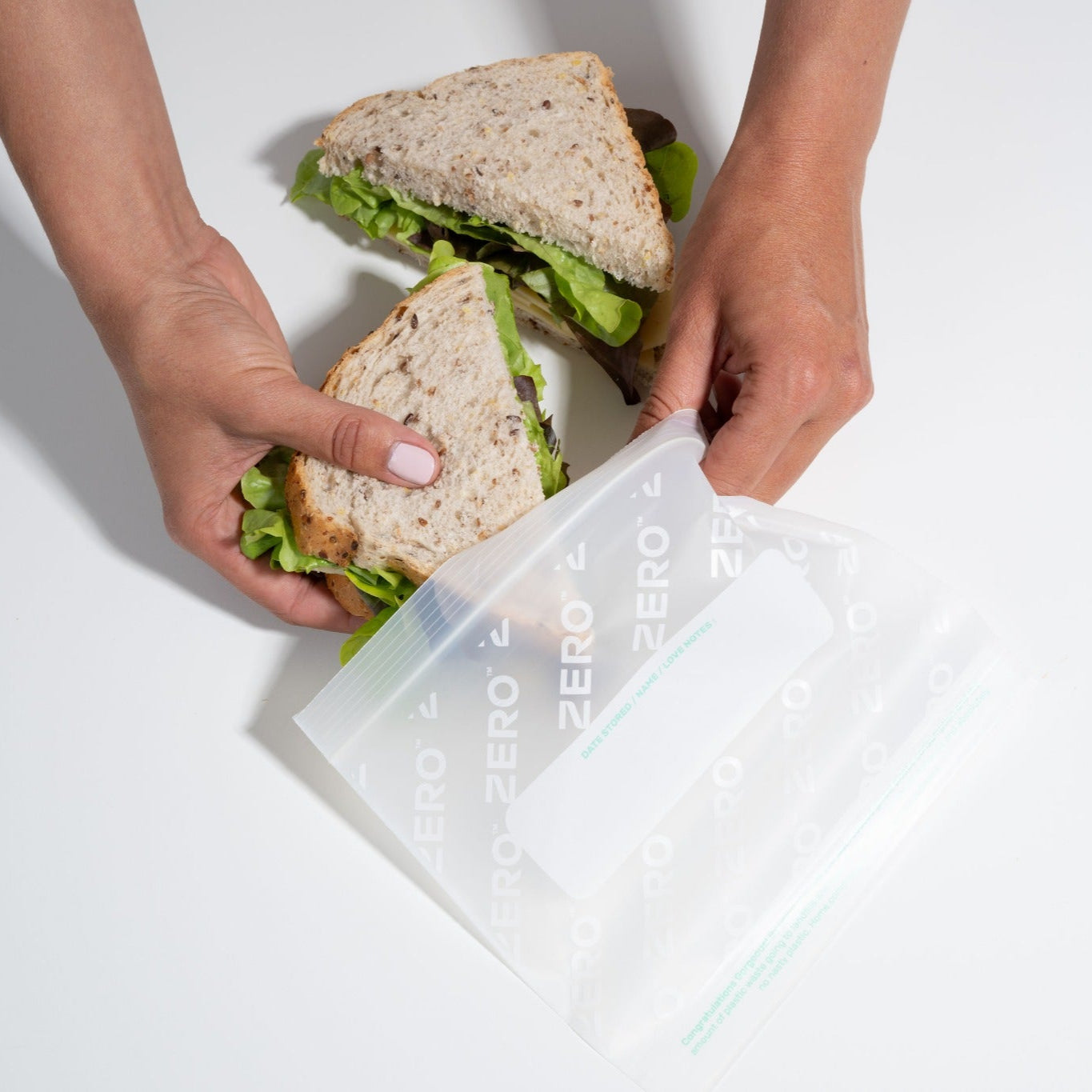
Cling film. This is the item people reach for out of habit rather than necessity. A beeswax wrap or a compostable cling wrap covers a sandwich or a bowl just as well, without the film ending up in landfill after a single use. For wet or messy food, a small lidded jar does the job better than any wrap.
None of these swaps demand a lifestyle overhaul. They replace a single habitual reach into a drawer with a different reach into a different drawer, which is exactly why they’re the fastest wins available.
Cleaning and maintenance: keeping containers hygienic and lasting longer
Reusable gear only saves money and waste if it lasts, and lasting starts with cleaning it properly.
Stainless steel handles a dishwasher without complaint, but hand-washing extends the life of any rubber seals on lid-based systems. Glass is dishwasher-safe outright, though sudden temperature swings, like pulling a hot dish straight into cold water, can crack it over time.
Silicone containers benefit from an occasional baking soda soak if they start holding odours, since food particles can lodge in fine texture on cheaper moulds. Beeswax and cloth wraps are the exception: never put them in hot water or a dishwasher. A cool rinse with mild soap, air-dried flat, keeps the wax coating intact for months. Once a wrap stops holding its shape or smells no matter how often it’s washed, it’s genuinely at the end of its life and time to replace, not a failure on your part.
A simple rule covers most containers: wash immediately rather than letting food dry on, dry everything fully before storing to avoid mould in lids and corners, and check seals every few weeks for the small tears that lead to leaks. A leaking container is usually a worn seal, not a design flaw, and most brands sell replacement seals separately rather than requiring a whole new container.
Getting children on board with plastic-free lunchboxes
The container matters far less than whether your child will actually open it, and that’s where involving kids early pays off. Let them choose their own container colour or pattern within the options you’ve already vetted for materials, since ownership over the small decision makes them more likely to defend the bigger one.
Explain the “why” in terms a child understands rather than abstract environmental language. Framing it as “this keeps our lunch fresher and doesn’t end up in the ocean” lands better than a lecture on landfill statistics. Involve them in the Sunday batch-prep session, even just for rolling bliss balls or filling jars, because kids who help make the lunch are more likely to eat it.
Expect some negotiation. If a child hates a particular wrap or jar, don’t force it, swap the format instead of insisting on the principle. A sandwich in a container they like beats a perfectly sustainable wrap that comes home untouched every day. Community-style approaches, like running a family “waste-free week” challenge together, tend to build more buy-in than a unilateral parental decision, and turning it into a small game rather than a rule works especially well with primary-school-aged children.
Where to find affordable plastic-free lunchbox gear
You don’t need premium prices to go plastic-free, but you do need to know what’s worth paying more for. Stainless steel containers are a genuine investment buy: a well-made one from a dedicated eco retailer will outlast several cheaper versions, so the higher upfront cost usually works out cheaper over a school year.
Consumables are a different story. Resealable bags, wraps, and produce bags get used constantly, so cost per use matters more than sticker price. The Zero Store’s resealable bag range and compostable cling wrap are designed as everyday replacements rather than premium one-off purchases, which keeps the ongoing cost close to what you were already spending on disposables. Supermarkets increasingly stock basic reusable snack bags and lunch containers alongside conventional plastic ones, so a straight swap doesn’t always mean a special trip.
For fresh produce specifically, buying fruit that’s already sturdy and easy to pack whole, rather than pre-cut and packaged, cuts both cost and plastic in one move. Guidance on keeping cut fruit fresh in a lunchbox for several hours is useful if your household leans on fruit as the easy, no-wrap snack option. Secondhand marketplaces are also worth checking for stainless steel and glass containers, since they don’t degrade the way plastic does and a used one performs identically to a new one.
Plastic vs plastic-free: the real environmental difference
A single-use plastic sandwich bag gets roughly twenty minutes of actual use before it’s binned, and conventional plastic doesn’t break down in landfill so much as fragment into smaller and smaller pieces over decades. A reusable container, by contrast, gets used hundreds of times across a school year before it’s replaced, which changes the waste maths entirely: one item doing the job of hundreds.
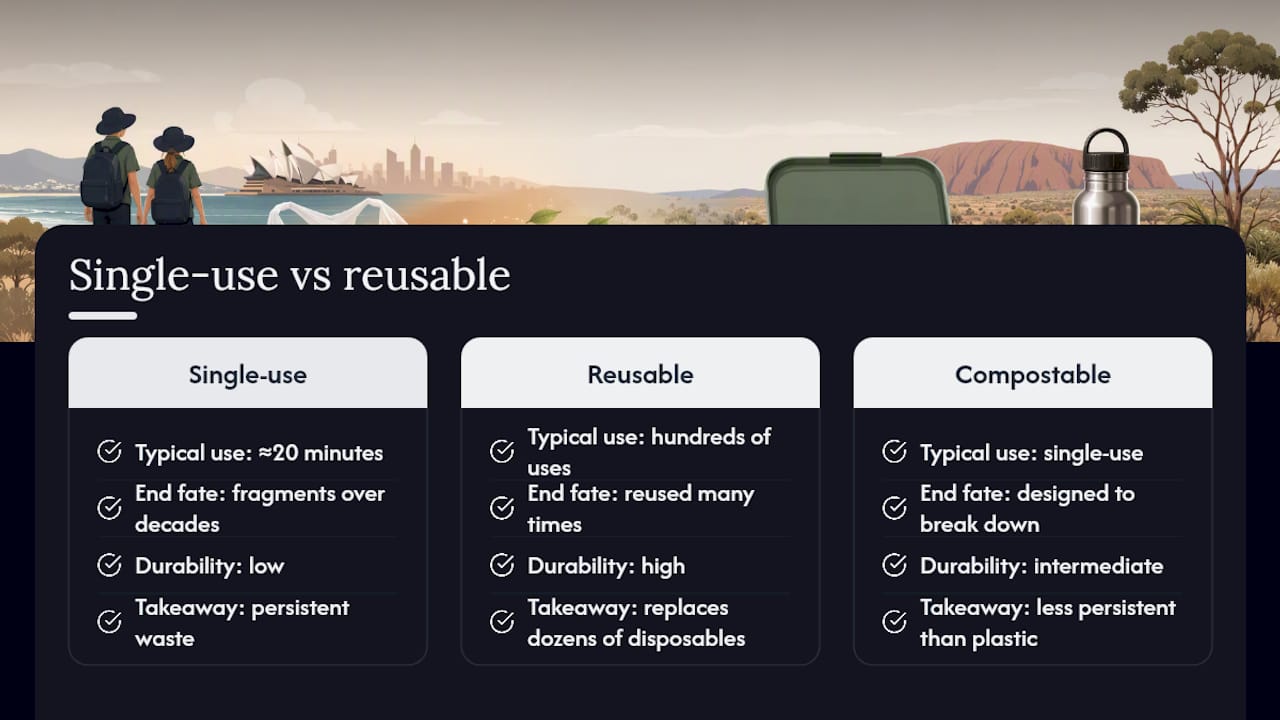
The manufacturing footprint of any container, plastic or otherwise, is real, which is why durability matters more than material purity alone. A stainless steel box that lasts five years easily outweighs its production cost against five years of disposable bags. A compostable bio-polymer item sits in between: it still takes resources to produce, but it’s designed to break down rather than persist and fragment into microplastics that end up in soil and waterways.
The clearest comparison isn’t plastic versus one perfect alternative, it’s single-use versus reusable, whatever the material. A basic zero-waste kit, stainless containers, cloth napkins, metal cutlery, replaces dozens of disposable items with a handful of durable ones, and that ratio is where the actual environmental saving lives, not in any single clever product.
Author’s note: start with one swap
Damien here. I’ve watched enough households try to overhaul a lunchbox overnight and burn out by Wednesday. Pick one swap, cutlery is the easiest, and run it for a fortnight before adding the next. Small, kept habits beat a perfect kit gathering dust in a cupboard. If you’ve found a combination that actually sticks with your kids, I’d genuinely like to hear it.
— Damien
Getting started with The Zero Store’s plastic-free basics
Once you know which swaps you’re making, the fastest way to actually start is buying the handful of items that replace your most-used disposables, rather than trying to source everything separately across five different shops. A simple starter bundle covers most of what a lunchbox needs: resealable snack bags for the crackers-and-veg run, compostable cling wrap for sandwiches, and a produce bag for fresh fruit, all made from bio-polymers rather than conventional plastic and detailed with material specs on each product page.
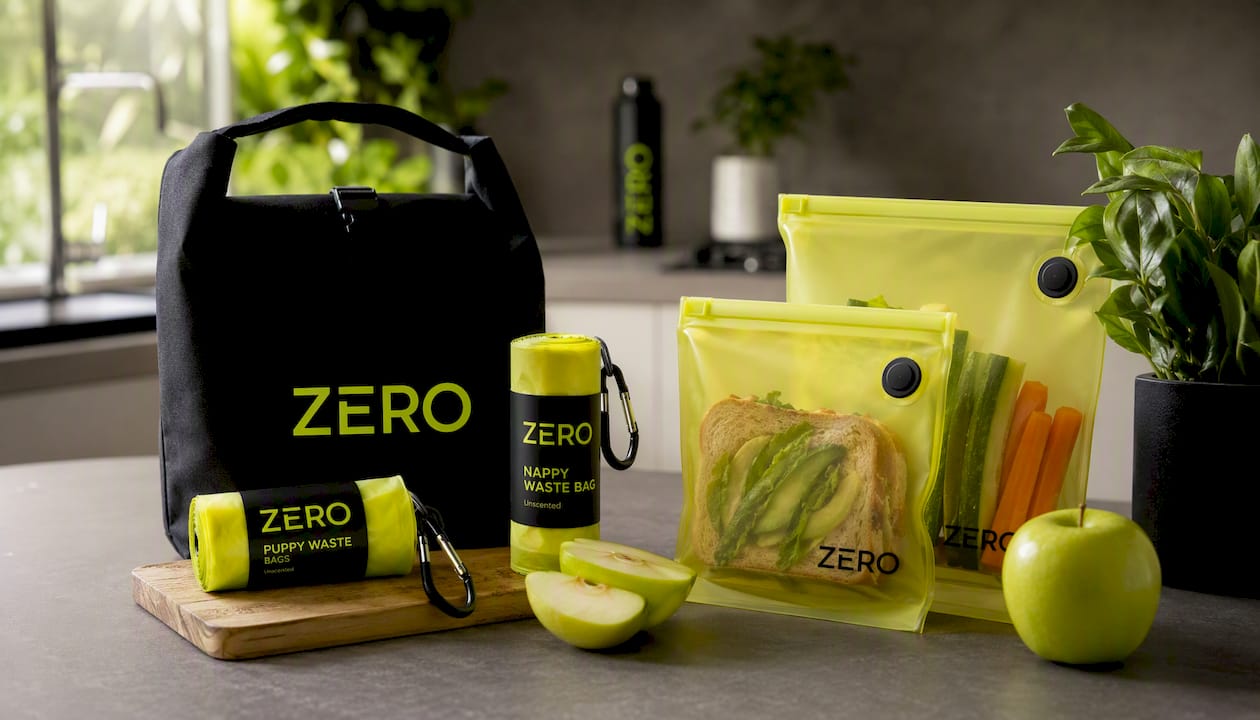
The same bio-polymer approach extends past the lunchbox. If your household is also working through nappy waste or a puppy’s daily walks, The Zero Store’s nappy waste bags and puppy waste bags apply the same plastic-free thinking to jobs that generate far more single-use plastic than most families realise. Start with the lunchbox basics, see what actually gets used in your house, then expand from there when it makes sense.
Sources
- How to pack a zero-waste lunch: tips for families on the go | Conservation Institute
- 5 easy swaps for a plastic-free lunch - Seabin Foundation
FAQ
What’s the best non-plastic lunchbox for kids?
A stainless steel bento-style box is generally the sturdiest choice for children because it resists dents, doesn’t stain, and survives being dropped in a school bag daily.
What’s the healthiest material for a lunchbox?
Stainless steel and glass are the safest choices for hot or reheated food, since heating some plastics can cause chemical leaching and microplastic exposure, while both materials stay inert regardless of temperature.
What are the best lunch boxes for avoiding microplastics?
Look for containers made entirely from stainless steel, glass, or food-grade silicone with no plastic lining, since these materials don’t shed the tiny particles associated with degrading plastic over repeated washes and reheats.
Are there good non-plastic lunchbox options besides steel and glass?
Yes, beeswax and cloth wraps, silicone pouches, and compostable bio-polymer bags like those made from PLA or PBAT all work well for dry snacks, sandwiches, and produce, and The Zero Store’s resealable bags are one accessible starting point.
How do I stop my child’s plastic-free lunch coming home untouched?
Switch one item at a time and let your child choose the container or wrap pattern, since gradual, child-approved swaps tend to stick far better than a complete overnight overhaul.
Share:
EN 13432 for Australian brands: Check trace codes, not logos
Replace 50 Single Use Bags With Tare Produce Bags in Australia