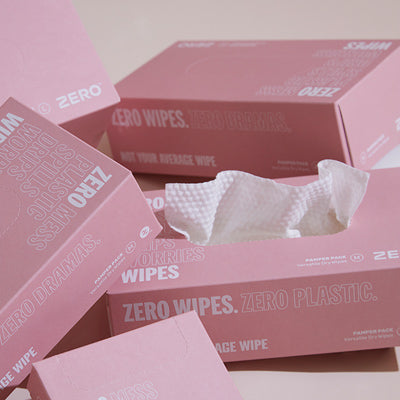
Nothing is literally chemical free. Water is a chemical. Vitamin C is a chemical. Even the air you’re breathing right now is a cocktail of nitrogen, oxygen, and trace gases. In practice, “chemical free” means something narrower and far more useful: a product is free from specific synthetic or potentially harmful chemicals, not from chemistry itself. The Australian Industrial Chemicals Introduction Scheme (AICIS) treats “natural” claims as a legal question of extraction and processing, not a marketing slogan, and that distinction matters when you’re deciding what to trust.
Here’s what to focus on instead of the label itself:
- Which chemical groups actually raise concern (phthalates, parabens, SLS, formaldehyde donors, microplastics)
- Three verification habits: read the INCI list, check for real certification, ask the brand for safety data
- Three easy swaps: fragrance-free wipes, reusable cloths over disposables, measured cleaning concentrates over harsh sprays
Key Takeaways
Genuine chemical-free living isn’t about eliminating chemistry; it means identifying and avoiding specific synthetic compounds through verified labelling rather than trusting a marketing phrase.
| Point | Details |
|---|---|
| No product is truly chemical free | The phrase legally and scientifically means “free from specific synthetic chemicals,” not “free from chemistry.” |
| Extraction method decides “natural” status | AICIS rules mean a plant-derived ingredient can lose its natural classification once solvent extraction or steam distillation is used. |
| Watch for named chemical groups | Phthalates, parabens, formaldehyde donors, SLS, PFAS, and microplastics are the groups worth checking on an INCI list. |
| Verify before you trust a claim | Read the INCI list, check certifications like NATRUE, and ask brands for safety data sheets when specs aren’t public. |
| The Zero Store publishes full specs | Its Baby Wipes, Reusable Cleaning Cloths, and Commercial Cleaning Cloth list materials and certifications on each product page for direct verification. |
Primary sources for further reading
- AICIS guidance on natural and organic ingredients
- Chemophobia and chemical risk perception research
- Consumer perceptions of naturalness study
Table of Contents
- What does “chemical free” actually mean?
- Why “chemical free” is a misleading claim
- The chemical groups worth actually watching
- How to verify a chemical free claim before you buy
- Simple swaps that cut your everyday exposure
- Sources
What does “chemical free” actually mean?
Chemists and marketers are speaking two different languages when they use the word “chemical.” To a scientist, everything from table salt to strawberries is a chemical compound. To a shopper reading a bottle at the supermarket, “chemical” has come to mean something closer to “synthetic and possibly harmful.” Neither definition is wrong, but conflating them is where the confusion starts.
Regulators sidestep the argument entirely by focusing on process rather than semantics. AICIS defines whether an ingredient counts as “naturally occurring” based on how it was extracted, not where it came from. A plant oil pressed mechanically might qualify as naturally occurring. The same plant, once its active compound is pulled out through steam distillation or solvent extraction, often no longer meets that legal threshold, and the finished product may need to be registered as an industrial chemical. A companion guide from Compliance & Consulting spells out exactly how this catches out brands that assume “plant-based” automatically means “natural” under the law. This is why two products with near-identical ingredient lists can carry very different regulatory obligations, and why a “natural” claim on packaging tells you almost nothing about what actually happened in the lab.

Why “chemical free” is a misleading claim
Chemophobia is the reflexive fear of anything labelled chemical, regardless of the actual risk it poses, and it shapes buying decisions more than most shoppers realise. Consumers rate familiar, everyday sounding ingredients as safer than unfamiliar ones with clinical names, even when the two are chemically identical or the “scary” one is demonstrably safer. Research on this bias, published in Applied Sciences, argues that the more productive question isn’t “is this a chemical?” but “is this harmful at the level I’m actually exposed to?”
That second question leans on one of toxicology’s oldest principles: the dose makes the poison. Water is fatal in large enough quantities. Botulinum toxin, in tiny medical doses, treats migraines. What matters is concentration and exposure, not the presence of a scary-sounding name on a label.
Naming effects run deep: identical compounds are judged less “natural” purely because of what they’re called, which is exactly the kind of bias that lets vague marketing claims thrive.
The chemical groups worth actually watching
Not all chemicals deserve the same scrutiny, but some groups turn up often enough in household products to warrant a closer look.
- Phthalates — used as plasticisers and fragrance carriers in everything from vinyl shower curtains to scented wipes; some are linked to hormone disruption at higher exposure levels.
- Parabens and formaldehyde donors — preservatives common in wipes, wet cloths, and cosmetics; formaldehyde donors slowly release small amounts of formaldehyde to extend shelf life.
- Sodium lauryl sulfate (SLS) — a foaming agent in detergents and cleaning products that can irritate skin with repeated contact.
- 1,4-dioxane — not an added ingredient but a contaminant that can form during manufacturing of sulfate-based cleansers.
- Microplastics and PFAS — turn up in synthetic wipe fibres, non-stick coatings, and some “long-lasting” formulations, and both persist in the environment well beyond their useful life.
Infants and toddlers carry disproportionate exposure risk because they have thinner skin, put more things in their mouths, and are lighter, so the same dose lands harder. That’s a strong reason to scrutinise baby wipes and nappy products more closely than, say, an occasional-use furniture polish. The CDC’s ToxFAQs series is a solid, plain-language reference if you want to look up a specific chemical’s health profile before you decide it’s worth avoiding.
How to verify a chemical free claim before you buy
Marketing copy is free. Ingredient lists are where the truth lives. Here’s how to check a product properly before it goes in your trolley.
- Read the INCI list first, not the front label. Ingredients are listed by International Nomenclature of Cosmetic Ingredients name, in descending order of concentration. Names like “parfum,” “PEG,” or anything ending in “paraben” are worth a second look, but don’t panic at Latin plant names either; they’re usually just botanicals in disguise.
- Check for certification that actually means something. NATRUE’s technical guide sets defined thresholds for what counts as natural or organic, which is more rigorous than an unverified “eco” badge on packaging. Third-party lists like EWG’s guide to healthier cleaning products are a useful cross-check, though they work best alongside the INCI list, not instead of it.
- Ask the brand directly if the specs aren’t public. A brand confident in its formulation will hand over a safety data sheet or lab certificate without hesitation. Reluctance is itself information.
Pro Tip: Search the product name plus “SDS” (safety data sheet) before you buy. If a brand doesn’t publish one and won’t provide it on request, treat that as a bigger red flag than any ingredient name on the label.
Simple swaps that cut your everyday exposure
You don’t need to overhaul your entire home in a weekend. Start with the products that touch skin most often or get used most frequently, since that’s where exposure adds up fastest.
- Choose fragrance-free or independently verified wipes for babies and sensitive skin rather than heavily scented ones.
- Swap single-use synthetic cleaning wipes for reusable cleaning cloths that you can wash and reuse instead of throwing away after one wipe-down.
- Store cleaning concentrates in a ventilated cupboard, away from food, to limit off-gassing indoors.
- Air out laundry and freshly cleaned surfaces before settling kids or pets nearby.
- Spend your budget first on the products with the highest contact frequency: baby wipes, everyday cleaning cloths, and anything applied directly to skin, before worrying about occasional-use items.
The evidence behind this advice
The Zero Store has written previously about hidden chemicals in baby wipes, covering exactly which additives to check for and why. Every product referenced in this guide, including the Commercial Cleaning Cloth, publishes its full material sourcing and certification details on its own product page rather than relying on vague front-of-pack claims.
[Author credentials and any proprietary lab-test data specific to The Zero Store’s product range to be added here.]
Why this article avoids scaremongering
We’d rather tell you a wipe contains a specific preservative at a specific concentration than slap “chemical free” on the front and call it a day. Fear sells, but it doesn’t help you make a genuinely better decision. What we publish is what’s actually in the product, so you can judge the real risk for yourself.
Where to find genuinely transparent alternatives
If you’ve made it this far, you already know the checklist: read the INCI list, look for real certification, ask questions when the specs aren’t public. The Zero Store built its entire range around passing that exact test, rather than around a catchy label.
The Baby Wipes are fragrance-free and made without the preservative classes flagged earlier in this guide, with the full ingredient breakdown published on the product page rather than buried in small print. The Reusable Cleaning Cloths replace disposable synthetic wipes entirely, cutting out repeated exposure to whatever’s in a single-use formula. For commercial or high-frequency use, the Commercial Cleaning Cloth offers the same transparency at scale. Run any of them through the verification steps above before you buy. That’s the whole point of publishing the specs.
Sources
- Natural and organic ingredients | Australian Industrial Chemicals Introduction Scheme (AICIS)
- MDPI Applied Sciences article (on chemophobia and chemical risk perception)
- Consumer perceptions of naturalness (PMC article)


Share:
Cloth wipes vs disposable wipes: which one wins at home?
Endocrine disruptors: what they are and how to reduce exposure