Cloth wipes win for everyday home use, on cost and on waste. Disposable wipes still make sense for travel, daycare drop-offs, and the moments you just cannot face a wet bag. Over the first two years alone, an average baby gets through roughly 5,840 disposable wipes at eight wipes a day, and a meaningful share of the “flushable” ones end up blocking sewers rather than breaking down.

  • Nearly 6,000 nappy changes happen in a child’s first three years, each one a fresh decision point on wipe type.
  • Non biodegrading fibres in many disposables shed microfibres and cause blockages long after they leave the change table.

Plenty of families find a hybrid approach practical, using cloth wipes at home where washing is convenient and disposable wipes for travel or outings.

Key Takeaways

Cloth wipes cost less and generate less waste over time, while biodegradable disposables cover the travel and daycare gaps a cloth-only routine cannot.

Point Details
Home base defaults to cloth Most nappy changes happen at home, so switching the daily default has the biggest cost and waste impact.
Stock 35 to 40 cloth wipes This starter stash balances daily use with a manageable laundry rhythm.
Never flush any wipe Flushable labelling is unreliable regardless of wipe type; bin used wipes to protect sewer systems.
Skip fabric softener on cloth wipes Softener residue reduces absorbency and can irritate skin the same way disposable fragrances do.
Match the wipe to the situation The Zero Store’s biodegradable baby wipes suit travel and daycare, while its reusable cloths support a cloth-first home routine.

Table of Contents

Cloth wipes vs disposable wipes for daily cleaning power

The mechanics are genuinely different, not just the packaging. A cloth wipe, dampened with water or a light solution, lifts mess off skin the way a flannel lifts food off a plate. A disposable wipe relies on the pre-moistened solution already soaked into the fibres, and on a runny nappy, it tends to smear before it lifts.

Baby Wipes

That difference shows up in how many you use per change. Newborns with frequent, loose stools often need two to three wipes per change; older infants and toddlers on solids usually need just one or two, but a bigger mess. Because cloth wipes fold and refold to expose a clean surface, many parents report one cloth wipe doing the job of two or three disposables, according to reusable wipe guidance. A stash of 35 to 40 cloth wipes is the figure most retailers and parenting guides settle on as a sensible starting point, enough for a day or two between washes without buying in bulk.

Usage comparison of cloth and disposable wipes

Skin sensitivity cuts both ways. Disposables can carry fragrance, alcohol, or preservatives that irritate reactive skin. Cloth wipes are gentler by default, but only if you rinse detergent out properly and skip fabric softener, which leaves a residue that can cause the same irritation you were trying to avoid.

Pro Tip: Keep one dedicated small wet bag in your nappy caddy just for cloth wipes, separate from the laundry hamper, so soiled wipes do not sit against clean linen while they wait for wash day.

For travel, daycare, or genuine emergencies, disposables remain hard to beat on convenience. No wet bag, no laundering logistics, just bin it and go.

What is the real environmental cost of each wipe type?

Labelling is the weak point. A 2025 peer-reviewed review of wipe materials found that whether a wipe actually breaks down depends on the fibre blend and how the fibres are bonded together, not on what the packet claims. Independent lab testing backs this up: Consumer Reports found that many wipes marketed as flushable simply do not disintegrate the way toilet paper does, and that same RSC review links wipe residue to a meaningful share of the sewer blockages councils spend money clearing.

  • Bin used wipes, cloth or disposable, rather than flushing anything except toilet paper.
  • Check for genuine biodegradable and plastic-free certification rather than trusting the word “flushable” on its own.
  • Follow your local council’s guidance on wipe and nappy disposal, since rules vary by area.

Cloth is not automatically blameless. Washing uses water and energy, and the fabric choice matters: cotton terry is durable but heavier to launder, bamboo lyocell is softer and drains faster, and cheaper synthetic blend cloths can shed the same kind of microfibres people buy cloth wipes to avoid. Some biodegradable wipes still persist for weeks in waterways and release non-plastic microfibres, so “biodegradable” on a label is a starting point for research, not the end of it.

How much does each wipe type actually cost?

Run the numbers on the figure already established: roughly 5,840 disposable wipes over two years at eight wipes a day. At a typical bulk price, that works out to real ongoing spend that never stops, because every pack used is a pack you buy again next month.

  • A set of 35 to 40 cloth wipes is a one off purchase, not a recurring one.
  • Laundering adds a small, genuinely calculable cost: water, detergent, and either line drying (free) or dryer energy (the only variable worth watching).
  • Buying disposables in bulk lowers the per-wipe price but never removes the cost, since the spend restarts every time the pack runs out.

The maths only holds if you plug in your own household’s numbers. Change your daily wipe count, your local water and energy prices, and how often you tumble dry versus line dry, and the gap between cloth and disposable widens or narrows accordingly. For most families washing cloth wipes alongside an existing load of baby laundry rather than as a separate wash, the added laundering cost is close to negligible, which is what tips the two year total so firmly towards cloth.

How do you wash and store cloth wipes without the hassle?

Cloth wipes only work as a routine if the washing part is simple enough to actually keep doing.

  1. Prepare wipes dry or pre-wetted. Plain water works for most changes; for a stronger clean, mix a few drops of a mild, fragrance-free castile soap into a spray bottle of water and spritz wipes as you use them.
  2. Store soiled wipes in a wet bag or dry pail. A lidded dry pail with a mesh liner controls odour better than a fully wet soak, and it is safe to leave wipes there for two to three days before washing.
  3. Shake off solids into the toilet first, the same as you would with a cloth nappy, before the wipe goes into the pail.
  4. Wash on a warm cycle (40°C is usually enough) with a small amount of standard detergent. Skip fabric softener entirely, since it coats fibres and reduces absorbency over time.
  5. Line dry where possible. It is gentler on the fabric and free.

For day trips, pack disposables as usual, plus one small empty wet bag for any cloth wipes you use before you leave the house. That way you are not carrying dirty cloth loose in a nappy bag.

Pro Tip: Treat a stubborn stain by soaking the wipe in cold water before it goes anywhere near a warm wash. Heat sets protein based stains; cold water lifts them.

Why The Zero Store backs this hybrid approach

Damien, who writes on household waste reduction for The Zero Store, points out that the biggest mistake parents make is treating this as an all or nothing choice when the data supports a blend.

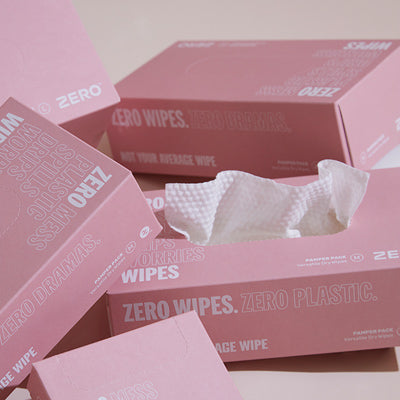
The Zero Store’s ZERO Baby Wipes are made without the plastic fibres that turn up in most commercial baby wipes, which matters if disposables are staying in your routine for travel. For home use, the site’s reusable cleaning cloths double up for spills and general cleaning once nappy days are behind you.

  • Home base, low mess days: cloth wipes, washed with the rest of the baby laundry.
  • Travel, daycare, unpredictable days: a biodegradable dry wipe from the shop range.
  • Unsure where to start: read how to shop for plastic-free wipes before you buy either.

What actually matters when caregivers choose a wipe

Most of the advice out there frames this as a moral choice, cloth as the responsible option and disposables as the lazy one. That framing does not survive contact with a household running on four hours of sleep. What matters is not which wipe you use every single time, but whether your default choice at the change table is the low waste one, because that is where the volume sits. A trip wipe or an emergency disposable barely registers against 5,840 wipes used in two years of daily changes at home.

The bigger blind spot is the flushable label. Parents assume “flushable” means the council’s pipes can handle it, and the RSC review makes clear that assumption is often wrong regardless of wipe type. Bin it, always, cloth soiling excepted.

If you are choosing where to put your effort, put it into the daily default, not the exceptions. Get the home routine right and the travel bag sorted separately, and the eco and cost wins take care of themselves.

Ready to switch? Start with the wipes you use most

The Zero Store’s plastic-free wipes give you a lower-waste option for exactly the moments a hybrid routine calls for, without asking you to overhaul your whole nappy bag at once.

Cleaning Wipes

For home laundering, reusable cleaning cloths handle spills and mess beyond nappy changes, and pair naturally with a cloth wipe routine since they wash together. For the nappy bag, ZERO Baby Wipes are biodegradable and made without the plastic fibres common in mainstream disposables, so travel days do not undo the waste savings you make at home. Around the rest of the house, cleaning wipes cover the jobs a cloth wipe was never meant for, like disinfecting surfaces.

None of this requires giving up disposables entirely. If daycare policy requires them, or a long car trip makes cloth impractical, that is a sensible use of a disposable, not a failure of the routine. Start by swapping your home change table to cloth this week, and keep a pack of biodegradable disposables in the bag for everything else.

Sources

Latest Stories

This section doesn’t currently include any content. Add content to this section using the sidebar.