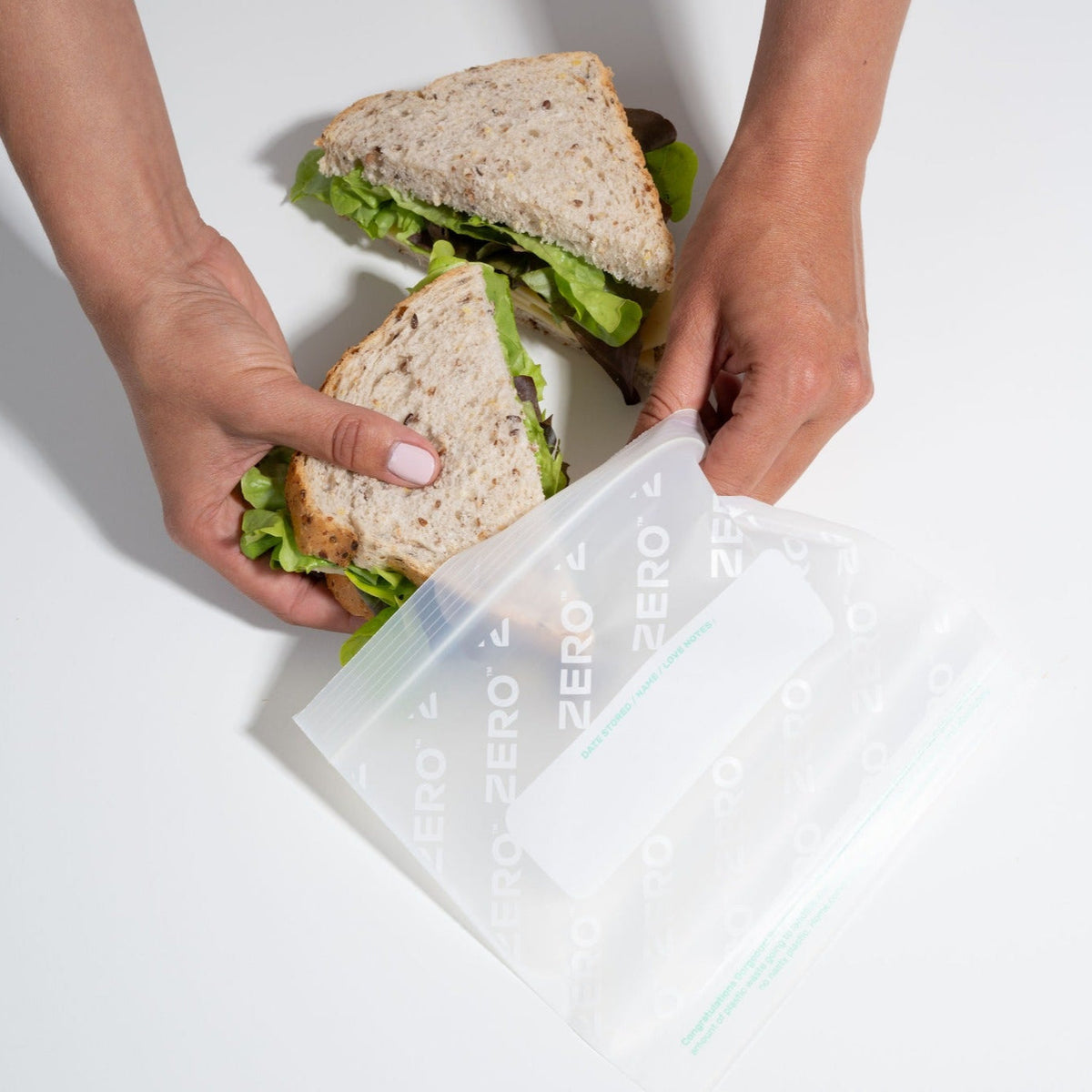
The easiest plastic-free ways to freeze meat are reusable silicone bags, tempered glass jars, stainless-steel containers, and tightly wrapped greaseproof or certified compostable paper. Each works well when you combine it with airtight technique and a freezer held at or below −18°C. According to Wild Country Meats, airtight packing and correct temperature are the two non-negotiable foundations of safe, quality freezing, regardless of which material you choose.
Quick match by need:
- Long-term storage (months): Tempered glass jars or stainless-steel containers with airtight lids
- Short-term storage (days to a few weeks): Greaseproof or parchment paper, or reusable silicone bags
- Space-saving: Silicone bags frozen flat and stacked vertically, or flat paper-wrapped parcels
Key takeaways
Airtightness and a freezer held at or below −18°C are the two controls that determine whether plastic-free meat storage actually works, regardless of which material you choose.
| Point | Details |
|---|---|
| Best for long-term storage | Tempered glass jars or stainless-steel containers with airtight lids preserve quality for months. |
| Best for short-term use | Reusable silicone bags or greaseproof paper work well for meat used within a few weeks. |
| Flash-freeze before packing | Freeze pieces separately on a tray first so they do not stick and are easier to portion later. |
| Keep freezer at −18°C | Use a dedicated thermometer to confirm temperature; built-in dials are often inaccurate. |
| The Zero Store option | Resealable bags, produce bags, and compostable cling wrap offer a ready-made plastic-free kit. |
Table of Contents
- What are the best non-plastic options for freezing meat?
- How do you freeze raw meat without plastic, step by step?
- How do different non-plastic materials compare for freezing meat?
- How do you prevent freezer burn and follow safe food-handling practices?
- Where can you buy plastic-free freezer supplies in Australia?
- The Zero Store’s plastic-free storage range
- Sources
What are the best non-plastic options for freezing meat?
The short answer is that you have six practical routes, and the right one depends on how long you need to store the meat, how much freezer space you have, and how much you want to spend upfront.
Reusable silicone bags are the most versatile starting point. They flex around irregular cuts, press flat for compact stacking, and go straight into the dishwasher after use. Zero Waste Week documents community-tested experience confirming that silicone bags are dishwasher-safe and that pressing out air before sealing meaningfully reduces freezer burn risk.
Tempered glass jars suit soups, mince, and diced meat well. They stack neatly, are completely non-porous, and last indefinitely. The catch is weight and the need for headspace. The Eco Hub recommends checking that glassware is explicitly labelled tempered or freezer-safe, because not all glass tolerates repeated freeze cycles without cracking.
Stainless-steel containers are the most durable long-term option. They handle knocks, stack well, and never absorb odours. Liebherr confirms stainless steel as a suitable freezer material alongside glass.
Greaseproof or parchment paper is the cheapest entry point and widely available at any Australian supermarket. It works well for short-term storage of a week or two, but paper allows some moisture transfer over time. Pair it with an airtight secondary container (a glass jar or steel box) for anything you plan to keep longer.
Cellulose or certified compostable bags look and feel similar to conventional plastic bags but break down after use. Check the packaging for EN 13432 or OK Compost certification before assuming home compostability, as Zero Waste Week notes that certification standards vary widely between products.
Aluminium foil is a reasonable last resort. It moulds tightly around cuts and blocks air effectively when wrapped in two layers, but it is not reusable indefinitely and is best treated as a transition option rather than a permanent solution.
Where to source these in Australia: silicone bags and compostable wraps are available online and in zero-waste shops; tempered glass jars are in most supermarkets; stainless-steel containers are sold at kitchenware retailers and online eco stores; greaseproof paper is in every supermarket baking aisle. Your local butcher is also worth a visit, since many will fill your own container directly.
How do you freeze raw meat without plastic, step by step?
Portion the meat first, flash-freeze pieces separately on a tray, then transfer to your chosen airtight container or wrap. That two-step process prevents sticking and gives you the flexibility to thaw exactly what you need.
Step-by-step workflow:
- Portion before you freeze. Divide meat into meal-sized amounts. Smaller portions freeze faster and thaw more evenly, which reduces both food waste and the time meat spends in the temperature danger zone.
- Pat the surface dry. Excess moisture on the surface accelerates ice crystal formation and freezer burn. A quick pat with a clean cloth or paper towel makes a real difference.
- Label everything before it goes in. Write the cut, weight, and date on a piece of masking tape or a reusable silicone label. Once meat is frozen, cuts look identical and dates are easy to forget.
- Flash-freeze on a tray. Lay individual pieces on a baking tray lined with greaseproof paper, spaced so they are not touching. Freeze uncovered for one to two hours until the surface is firm. This is the step most people skip, and it is the reason their meat freezes into one solid clump.
- Transfer to your container or wrap. Once pieces are individually firm, move them into your silicone bag, glass jar, or stainless-steel container. They will not stick together, and you can pack them more tightly now without losing the ability to grab one piece at a time.
- Expel air and seal. For silicone bags, press from the bottom upward to push air out before closing the seal. For glass jars, Liebherr advises filling to roughly three-quarters full, leaving the lid slightly loose until the contents are fully frozen, then sealing. For stainless-steel containers, press a sheet of greaseproof paper directly onto the surface of the meat before closing the lid to reduce the air gap.
- Check your freezer temperature. Confirm it reads at or below −18°C with a dedicated thermometer before loading new items.
Before-you-freeze safety checklist:
- Hands and surfaces washed before handling raw meat
- Container or bag clean, dry, and free of cracks or damage
- Meat portioned and patted dry
- Label written and attached before freezing
- Tray flash-freeze completed for loose pieces (mince, diced, strips)
- Lid or seal tested for airtightness
Cleaning reusable containers after raw meat: silicone bags tolerate a hot dishwasher cycle, which is the most reliable way to sanitise them. For hand-washing, use hot water with washing-up liquid and rinse thoroughly. Glass and stainless-steel containers can go in the dishwasher or be washed in hot soapy water. Inspect silicone bags for any tears or punctures before reusing, since damaged seals defeat the purpose.
Pro Tip: When buying in bulk from a butcher, ask staff to tare your container on the scale before filling it. You pay only for the meat, not the container weight, and you leave the shop with zero single-use packaging.
How do different non-plastic materials compare for freezing meat?
Pros and cons at a glance:
- Silicone bags: reusable for years, flexible, dishwasher-safe, and space-efficient. The upfront cost is higher than paper, and cheaper versions may not seal as reliably.
- Tempered glass: completely inert, no odour transfer, and lasts indefinitely. Heavy, breakable, and requires headspace management.
- Stainless steel: the most durable option, handles knocks without complaint, and never absorbs smells. Costs more upfront; not transparent, so labelling is non-negotiable.
- Greaseproof / parchment paper: almost no cost, available everywhere, and compostable. Moisture transfer over time makes it unsuitable on its own for anything stored beyond a couple of weeks.
- Cellulose / compostable bags: a genuine plastic-free disposable option. Always check for EN 13432 or OK Compost certification; without it, “compostable” on the label may mean industrial composting only, not your home bin.
- Aluminium foil: widely available and effective when double-wrapped. Not infinitely reusable, and production is energy-intensive, so it sits lower on the sustainability ranking than the reusable options.
Certification note: for any compostable or cellulose product, look for EN 13432 or OK Compost on the packaging. These are the recognised standards that confirm a product breaks down under composting conditions within a defined timeframe.
How do you prevent freezer burn and follow safe food-handling practices?
Temperature and airtightness are the two controls that determine whether frozen meat stays good or turns into a grey, leathery disappointment. Get both right and the material you use becomes almost secondary.
The key principle: dry air causes freezer burn, not the cold itself. When air reaches the meat’s surface, moisture migrates outward and leaves behind dehydrated, discoloured patches. Safefood explains that airtight storage and correct temperatures slow this texture deterioration significantly, which is why the seal matters as much as the container.
Freezer temperature: keep your freezer at or below −18°C (0°F). At this temperature, bacterial growth is effectively halted and enzyme activity slows to a rate that preserves quality for months. A dedicated freezer thermometer costs very little and removes the guesswork entirely; the built-in dial on most freezers is not calibrated precisely enough to rely on.
Recommended storage times for common meats (quality guide, not a strict safety cut-off):
- Beef steaks and roasts: up to 12 months
- Minced beef: 3–4 months
- Chicken pieces: 9–12 months
- Whole chicken: up to 12 months
- Pork chops and roasts: 4–6 months
- Lamb: 6–9 months
- Sausages: 1–2 months
Thawing safely: the Food Standards Agency recommends thawing meat in the fridge, ideally overnight, as the safest method. If you need to speed things up, submerge the sealed container in cold water and change the water every 30 minutes. Never thaw meat at room temperature on the bench, and never refreeze raw meat that has already been thawed unless you cook it through first.
Safety checklist:
- Sanitise containers before and after use with raw meat
- Label every package with the cut and the date frozen
- Thaw in the fridge or cold water, never on the bench
- Do not refreeze previously thawed raw meat
- Cook all previously frozen meat to the recommended internal temperature
Where can you buy plastic-free freezer supplies in Australia?
Sourcing the right materials is easier than it was a few years ago. Here is where to look:
- Local butcher: bring your own stainless-steel or glass container and ask staff to fill it directly. Many butchers are happy to accommodate this, and it eliminates packaging at the point of sale entirely.
- Zero-waste and bulk food shops: these stock silicone bags, stainless-steel containers, beeswax wraps, and certified compostable bags. Staff can usually advise on certifications.
- Large supermarkets (Woolworths, Coles): tempered glass jars, greaseproof paper, and aluminium foil are reliably available. Silicone bags are increasingly stocked in the kitchen aisle.
- Online eco stores: the widest range of stainless-steel containers, silicone bags, and certified compostable wraps. Buying online also lets you check certifications before purchasing.
- Farmers’ markets: some stalls sell direct into your container, and market vendors are often receptive to zero-waste requests.
What to check on labels:
- Glass: look for “tempered” or “freezer-safe” explicitly stated. Ordinary glass can crack under repeated freeze-thaw cycles.
- Stainless steel: food-grade stainless steel (18/8 or 304 grade) is the standard to look for.
- Compostable bags: EN 13432 or OK Compost certification confirms the product meets a recognised breakdown standard.
Cost expectations: greaseproof paper is the cheapest option at under a few dollars per roll. Silicone bags cost more upfront but pay back quickly over repeated use. Tempered glass jars are mid-range. Stainless-steel containers are the highest upfront investment but the longest-lasting. For readers building a wider zero-waste routine at home, this practical waste-reduction guide covers how to phase in reusable alternatives across the whole household without replacing everything at once.
Why airtightness and temperature matter more than the material itself
The single most important insight from the evidence is this: the material you choose matters less than how well you seal it and how cold your freezer runs. Safefood is clear that dry air reaching the meat surface is the primary driver of freezer burn, not the cold temperature itself. A perfectly sealed silicone bag outperforms a loosely closed glass jar every time.
Rapid freezing also matters. Meat frozen quickly forms smaller ice crystals, which cause less cellular damage and result in better texture after thawing. Placing warm or room-temperature meat directly into a packed freezer slows the freeze and increases crystal size. The tray flash-freeze step in the workflow above addresses this directly.
Statistic callout: keeping your freezer at or below −18°C halts bacterial growth and is the standard recommended by food safety authorities for safe long-term meat storage. A dedicated thermometer is the only reliable way to confirm this, since built-in freezer dials are often inaccurate by several degrees.
Pro Tip: To test whether a glass jar is genuinely freezer-safe, fill it with water to three-quarters full, seal it loosely, and freeze it overnight. If it survives without cracking, it is suitable for meat. If it cracks with water, it will crack with meat.
Look for EN 13432 or OK Compost certification on any compostable or cellulose bag. Without one of these marks, “compostable” on the label may refer to industrial composting conditions only, which means the bag will not break down in a home compost bin.

A note on mixing methods
Silicone bags are the workhorse of a plastic-free freezer routine. They handle the daily turnover of chicken breasts, mince, and fish fillets without fuss. For anything going in for more than a month or two, glass or stainless steel is the more reliable choice, simply because the seal is more consistent and the container does not flex.
Greaseproof paper still earns its place as a first-wrap layer. Wrapping a steak tightly in parchment before dropping it into a glass jar gives you two barriers against air and makes the jar easier to clean afterwards. The paper costs almost nothing and composts at home. That combination of cheap, effective, and compostable is hard to argue with for everyday use.
The cost-saving logic is straightforward too. A set of silicone bags or a few glass jars pays for itself within a few months compared to buying single-use plastic bags weekly. The upfront spend feels significant; the ongoing saving does not.
The Zero Store’s plastic-free storage range
If you would rather start with a ready-made solution than source individual items separately, The Zero Store’s plastic-free range covers the most practical options in one place. This article is published by The Zero Store, and the product links below point to the brand’s own shop.
The resealable food storage bags are made from bio-polymers (PLA, PHA, and PBAT) and are designed for repeated use, making them a direct replacement for conventional zip-lock bags for portioning and freezing meat. The plastic-free produce bags work well for short-term freezer use and for carrying meat home from the butcher or market without single-use packaging. For wrapping individual cuts before placing them in a rigid container, the plastic-free cling wrap is home-compostable and free from microplastics, making it a cleaner alternative to conventional cling film for the first-wrap layer.

All products carry eco-certifications and are free from harmful chemicals. Visit The Zero Store to browse the full range and find the combination that fits your freezer routine.
Sources
- Freezing without plastic – alternatives for zero waste - Liebherr
- 7 ways to store meat in the freezer without using single-use plastic and clingfilm - Zero Waste Week
- A guide on how to freeze meat without plastic - The Eco Hub
- Best practices for freezing and storing your meat at home - Wild Country Meats
- safefood
For compostable and cellulose products, look for EN 13432 or OK Compost certification on the packaging. These are the recognised standards that confirm genuine compostability under defined conditions, whether at home or in an industrial facility.


Share:
Australia's single-use plastic ban: 2026 guide for businesses and residents
How to spot greenwashing on compostable products