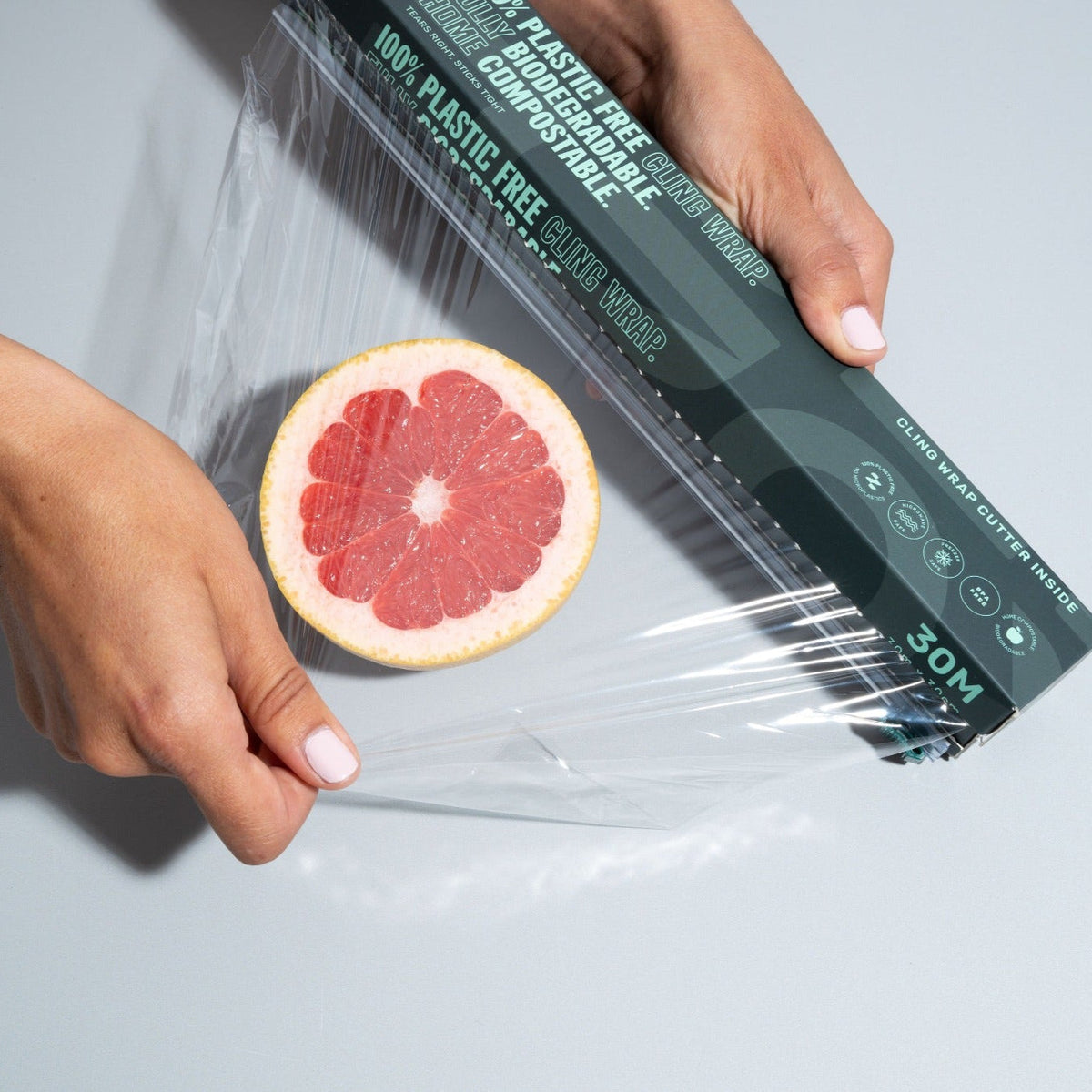
Most household cling wrap on Australian shelves today is not made with BPA. The overwhelming majority of modern cling film is low‑density polyethylene (LDPE) or a close relative, and BPA is a chemical associated with rigid polycarbonate plastics, not soft stretchy film. That said, some brands have tested positive for other endocrine‑disrupting chemicals, including DEHA and phthalates, so “BPA‑free” is not the same as “chemical‑free.”

  • Modern cling film: usually LDPE/PE, usually BPA‑free
  • Older or budget PVC‑style wraps: higher chance of plasticiser additives
  • One University of Pretoria study found DEHA at levels up to 674.07 mg/kg in certain tested brands

The immediate takeaway: keep any plastic film away from hot, fatty, or oily food, and check the packaging before you assume it’s safe.

Key Takeaways

Most household cling wrap sold today is made from LDPE/PE and does not contain BPA, but heat and fatty foods can still cause other plasticisers to migrate into food.

Point Details
Most cling film is BPA‑free LDPE/PE and PP films rely on static cling, not BPA‑based chemistry.
PVC carries higher risk Older PVC/PVdC wraps are more likely to contain plasticisers such as DEHA.
Heat and fat drive migration Keep plastic film away from hot or fatty food to cut chemical transfer.
Labels only tell part of the story “BPA‑free” doesn’t rule out other plasticisers; check material type too.
Compostable options avoid the question The Zero Store’s Plastic-Free Cling Wrap uses bio‑based polymers with no PE or PVC.

This article is general information, not a substitute for advice from a qualified doctor. Consult a qualified healthcare professional about your own circumstances before acting on anything here.

Table of Contents

Cling wrap BPA facts you need to understand first

BPA (bisphenol A) is an industrial chemical used to make polycarbonate plastic and epoxy resins, the sort of thing found in old reusable water bottles or the lining of tin cans. It’s rarely used in flexible cling film, which is why you’ll see “BPA‑free” printed on packs almost as a formality rather than a genuine differentiator.

The real concern with BPA is endocrine disruption. It can mimic oestrogen in the body, and regulators apply a precautionary approach even where the evidence on low‑level, long‑term exposure remains incomplete, according to Harvard Health.

  • BPA: linked to polycarbonate, epoxy resins, some can linings
  • Cling film: typically LDPE/PE, which does not require BPA to function
  • Endocrine disruption: the reason regulators and scientists stay cautious even with limited data

Which cling film materials might contain BPA or other plasticisers?

Not all cling film is chemically equal, and the material code on the box tells you more than any marketing claim. Polyethylene (PE, including LDPE) and polypropylene (PP) rely on static cling and thin‑film physics to stick to bowls, not chemical softeners, which makes BPA and heavy plasticisers largely unnecessary in these formulations. Older‑style PVC and PVdC wraps are a different story. They historically needed plasticisers to stay flexible, and that’s where researchers have found the more concerning compounds. A peer‑reviewed risk assessment of commercial cling film brands detected BPA, p‑NP, DEHA, and phthalates across a range of samples, at concentrations that varied significantly by brand.

  • PE/LDPE and PP: low risk, no plasticisers needed
  • PVC and older PVdC: higher risk of plasticiser additives
  • Newer replacement chemicals like DEHA: less studied, uncertainty remains

Pro Tip: Flip the box over. If it lists the resin type (PE, LDPE, or PP) alongside “BPA‑free,” that’s a stronger signal than the claim alone.

When do chemicals actually migrate from cling wrap into food?

Migration isn’t constant. It spikes under specific, predictable conditions: heat, fat, and time. Fatty foods dissolve plasticisers more readily than water‑based ones, and heat accelerates that process dramatically. Microwaving with cling film touching food, or wrapping something straight off the stovetop, are the two riskiest habits most Australian kitchens still practise daily.

  • Risky: microwaving film directly on food, wrapping hot oily leftovers, prolonged contact with fatty cuts of meat or cheese
  • Safer: let food cool first, use a plate or paper barrier for reheating, keep film away from direct food contact when possible

Do this instead: cover bowls loosely rather than pressing film onto the food surface, and switch to glass or a reusable lid whenever something is going into the microwave.

How to choose a BPA-free cling wrap that’s actually safe

Reading a cling film label properly takes about ten seconds once you know what to look for. Start with the resin identification code or the word printed on the box: PE, LDPE, or PP are the safer starting points, and PVC deserves a second look. From there, work through this checklist:

  1. Confirm the material — LDPE/PE or PP, not PVC or unlabelled “vinyl wrap.”
  2. Look for an explicit “BPA‑free” statement, though treat it as a baseline, not a guarantee of total chemical safety.
  3. Check for “food grade” wording, which indicates the manufacturer has tested for food‑contact suitability.
  4. Look for recognised certifications where the brand publishes them, rather than relying on vague green‑sounding claims.

The limitation worth understanding: “BPA‑free” only rules out one chemical. It says nothing about DEHA, phthalates, or other plasticisers that newer research keeps flagging.

Pro Tip: Trust product pages that list actual specifications and test data over ones that lean entirely on marketing language like “eco” or “natural” with no material detail behind it.

Plastic-Free Cling Wrap

Are biodegradable and compostable wraps a safer choice?

Biodegradable film made from PLA, PBAT, or PHA is chemically distinct from PE or PVC. These are bio‑based polymers derived from renewable feedstocks like corn starch or sugarcane, and they don’t rely on the same plasticiser chemistry that raises questions in conventional PVC‑style wraps.

Certified compostable wraps reduce your household’s reliance on fossil‑fuel plastic and cut long‑term landfill persistence, but composting them correctly still matters. Home compostable and industrial compostable are not interchangeable claims. One breaks down in a backyard bin within months; the other needs the high heat and controlled conditions of a commercial facility.

  • PLA, PBAT, PHA: plant‑derived, generally lower plasticiser risk
  • Home compostable vs industrial compostable: check which certification actually applies before you bin it

Practical tips to reduce your exposure every day

A few habit changes do most of the heavy lifting here. Cool food before wrapping it. Never let cling film touch fatty or oily food directly if you can avoid it. Skip microwaving with film pressed against food, and use parchment paper or a plate as a barrier if you’re reheating something covered.

  • Cool food fully before covering it
  • Use a barrier (parchment, a plate) for reheating instead of direct film contact
  • Discard scratched or degraded film rather than reusing it
  • Check local council guidance before assuming soft plastics are kerbside recyclable; many aren’t, and compostable alternatives avoid that problem entirely

What are the best alternatives to cling film?

Different jobs call for different covers, and no single alternative replaces cling film for every use case.

  • Beeswax wraps suit dry items like cheese blocks, cut bread, or wrapping a sandwich, but they’re a poor match for raw meat or very wet food.
  • Silicone lids and stretch covers work well over bowls and are reusable for years; check the label if you plan to reheat food under one.
  • Glass containers with lids are the safest option for hot or fatty leftovers, since there’s no film‑to‑food contact at all.
  • Resealable bags made from plant‑based materials handle snacks, sandwiches, and freezer storage without single‑use plastic, and pair naturally with reusable produce bags for fruit and veg.

For everyday bowl covering where you still want cling‑film convenience, a compostable film gives you that stretch‑and‑seal function without the fossil‑plastic trade‑off.

A compostable, BPA-free cling wrap worth switching to

The Zero Store’s Plastic-Free Cling Wrap is made from bio‑based polymers rather than PE or PVC, and it’s home compostable at end of life rather than destined for landfill. The product page lists material specifications and food‑grade claims plainly, rather than burying them under marketing copy.

  • Best for: short‑term bowl covering, chilled storage, wrapping produce
  • Not intended for: direct high‑heat contact or microwave use against food
  • Trust signals: stated material type, compostability claim, and FAQ detail on the product page

Small exposures, sensible precautions

The honest picture is that most single, everyday exposures to cling film are small, and the science on long‑term, low‑level plasticiser exposure is still evolving rather than settled. That uncertainty doesn’t call for panic. It calls for the same precautionary habits doctors already recommend for plastic food contact generally: keep hot and fatty food off direct plastic contact, and favour BPA‑free or compostable film when you’re buying anyway. Cheap, low‑cost habit changes beat waiting for perfect data.

Small exposures, sensible precautions — overview diagram

Switch to a plastic-free cling wrap that skips the guesswork

There’s a simpler way to sidestep the whole BPA and plasticiser question: stop buying conventional PVC or unlabelled film altogether. The Zero Store makes that swap easy, with a compostable Plastic-Free Cling Wrap built from bio‑based polymers instead of fossil plastic, backed by clear material specs on the product page rather than vague green claims.

Plastic-Free Cling Wrap

The range doesn’t stop at cling wrap. Resealable Food Storage Bags cover snacks, sandwiches and freezer storage, Plastic Free Produce Bags handle fruit and veg without film, and Reusable Cleaning Cloths cut down on paper towel and wet wipe waste in the same kitchen drawer. Together they cover most of the jobs a roll of PVC film used to do, without the plasticiser question mark.

Head to The Zero Store to check the full range and get your kitchen off single‑use plastic film for good.

Sources

Latest Stories

This section doesn’t currently include any content. Add content to this section using the sidebar.