
News
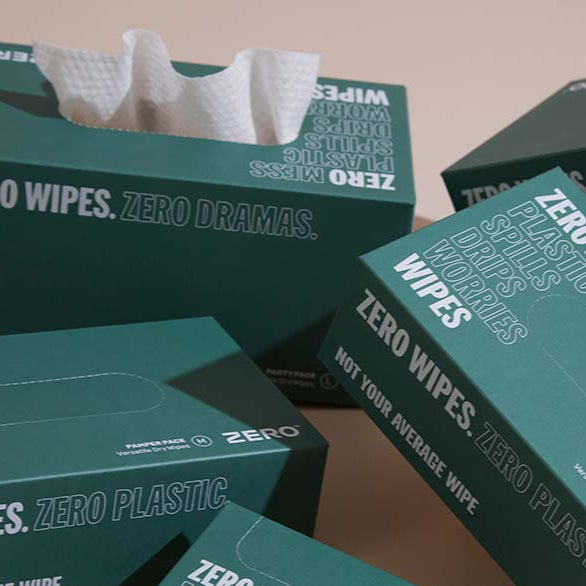
Antibacterial vs disinfectant wipes: what the labels mean in Australia
What "antibacterial" and "disinfectant" mean on a wipe label, how disinfectant claims are regulated in Australia, and when everyday cleaning is all you need.
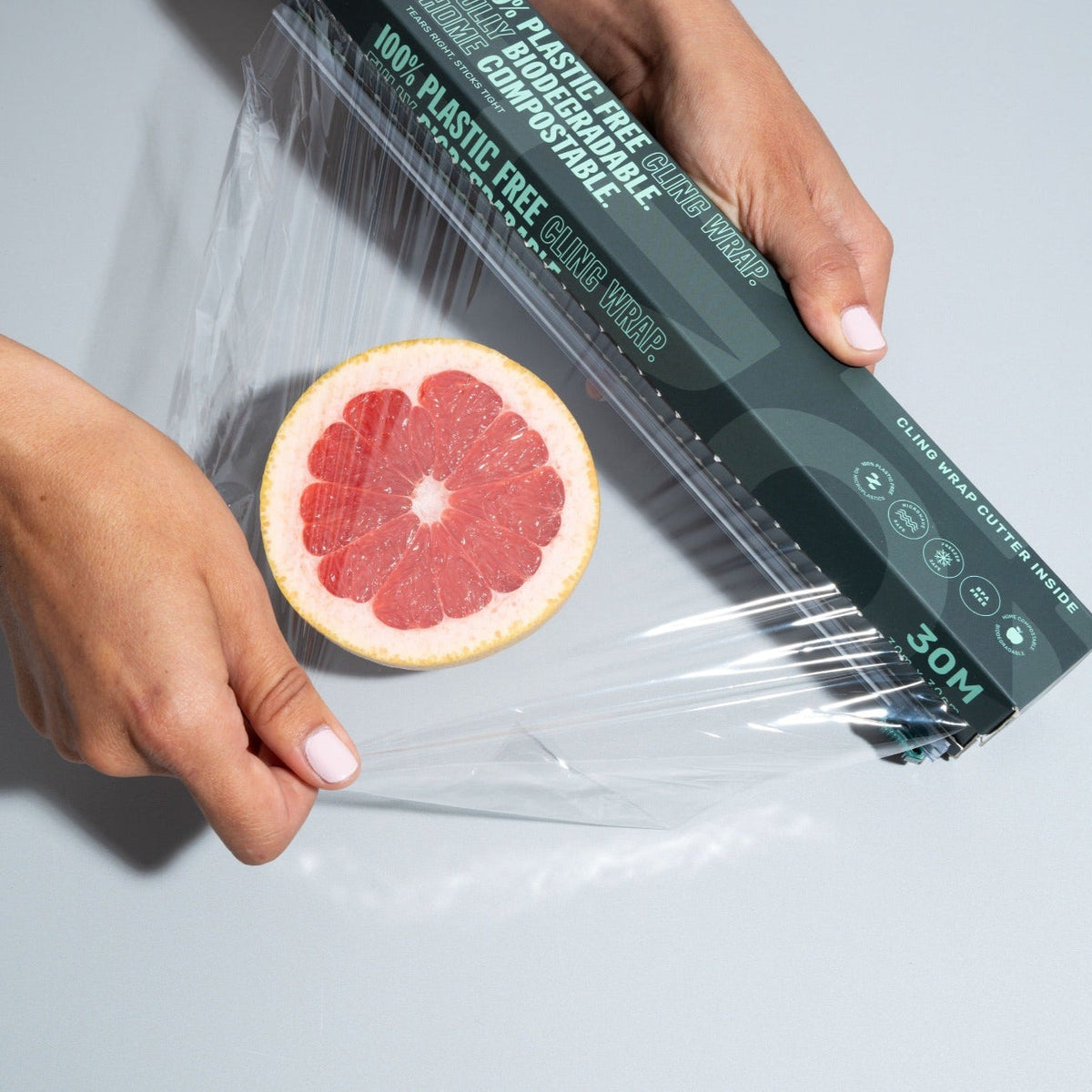
Easy plastic-free kitchen swaps for Australian homes
The kitchen swaps that make the biggest difference with the least effort: cling film, zip-lock bags, paper towel and wipes first, then the rest as things wear out.
Industrial composting in Australia: a plain-English guide for businesses
How Australia's industrial composting facilities work, what they accept and reject, and how businesses can keep their organics stream clean.
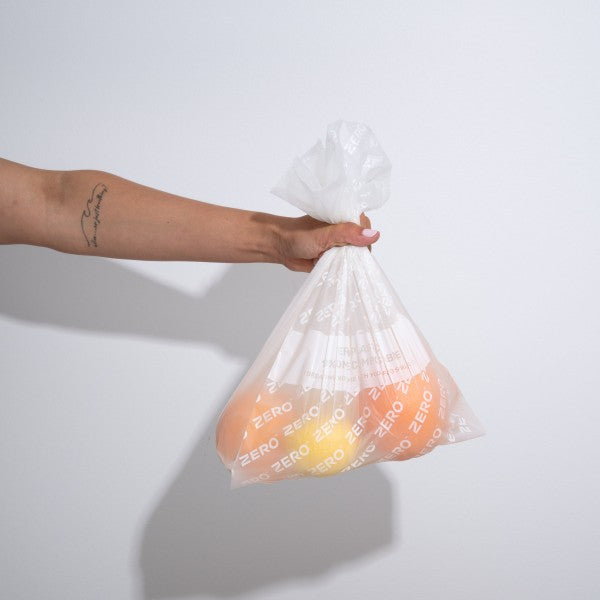
How to wash reusable produce bags, and when a compostable bag fits better
A simple routine for washing, drying and storing the reusable produce bags you already own, and when a single-use, home compostable produce bag is the more practical choice.
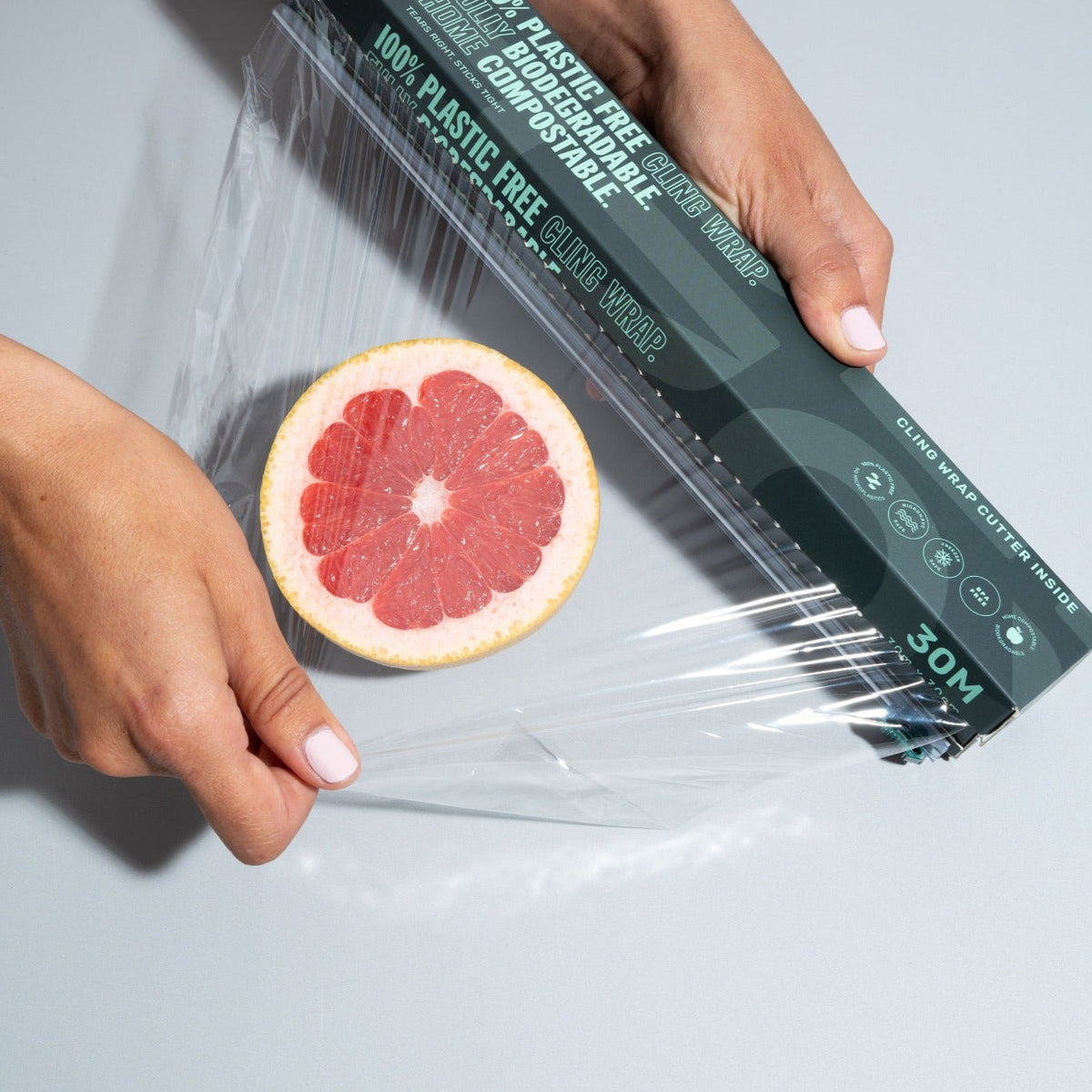
PLA vs PBAT: how two compostable materials work together
PLA and PBAT have different strengths, and the best compostable films often use both. Here's how they compare and what to check on the label.

Biodegradable vs compostable wipes: 5 label checks
Biodegradable and compostable aren't the same claim. Five quick checks to read a wipes label properly, plus the Australian standards worth knowing.
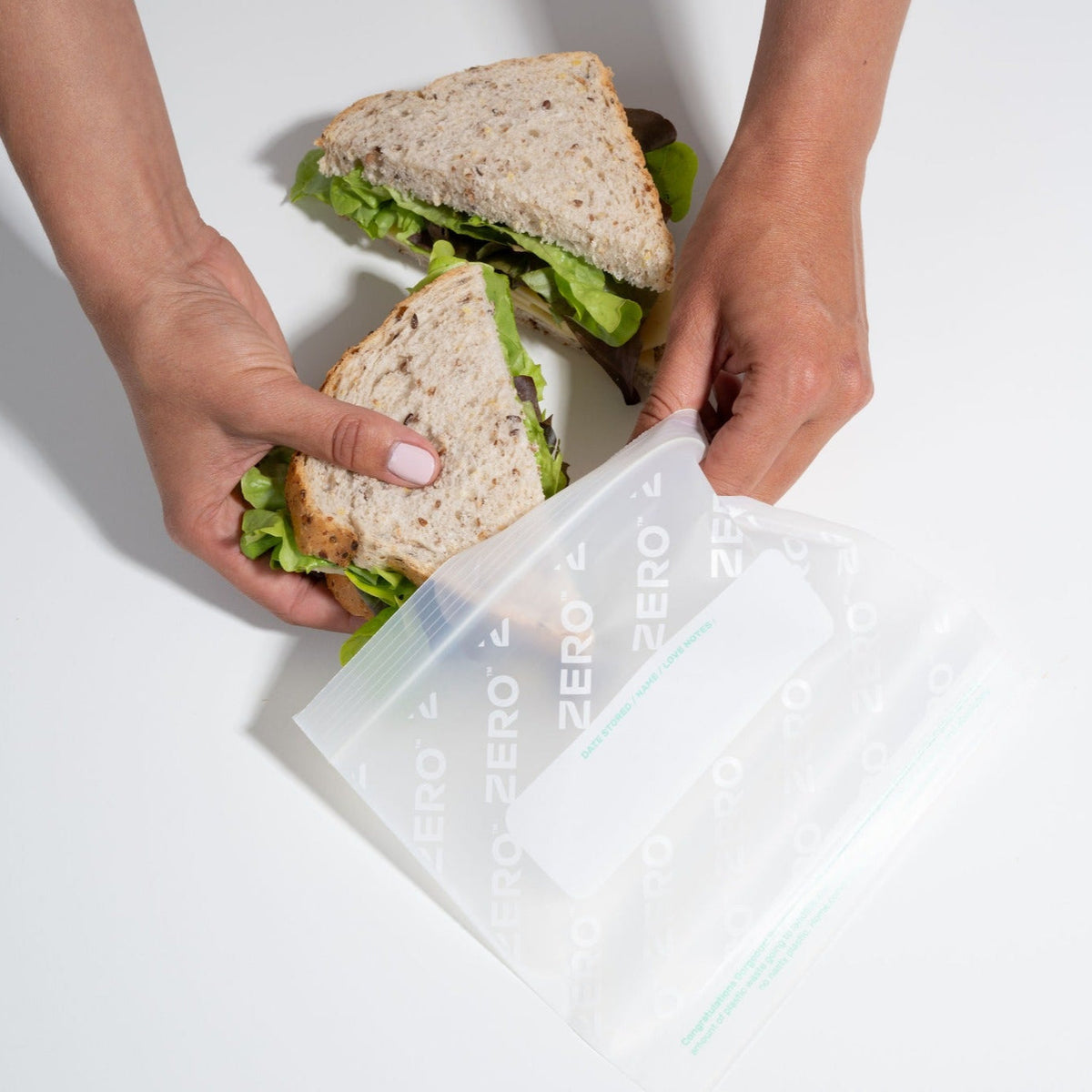
Home compostable certification: what it means and what ZERO's products hold
What home compostable certification actually tests, the schemes you'll see in Australia, how to read the label, and which certifications ZERO's bags and wrap carry.
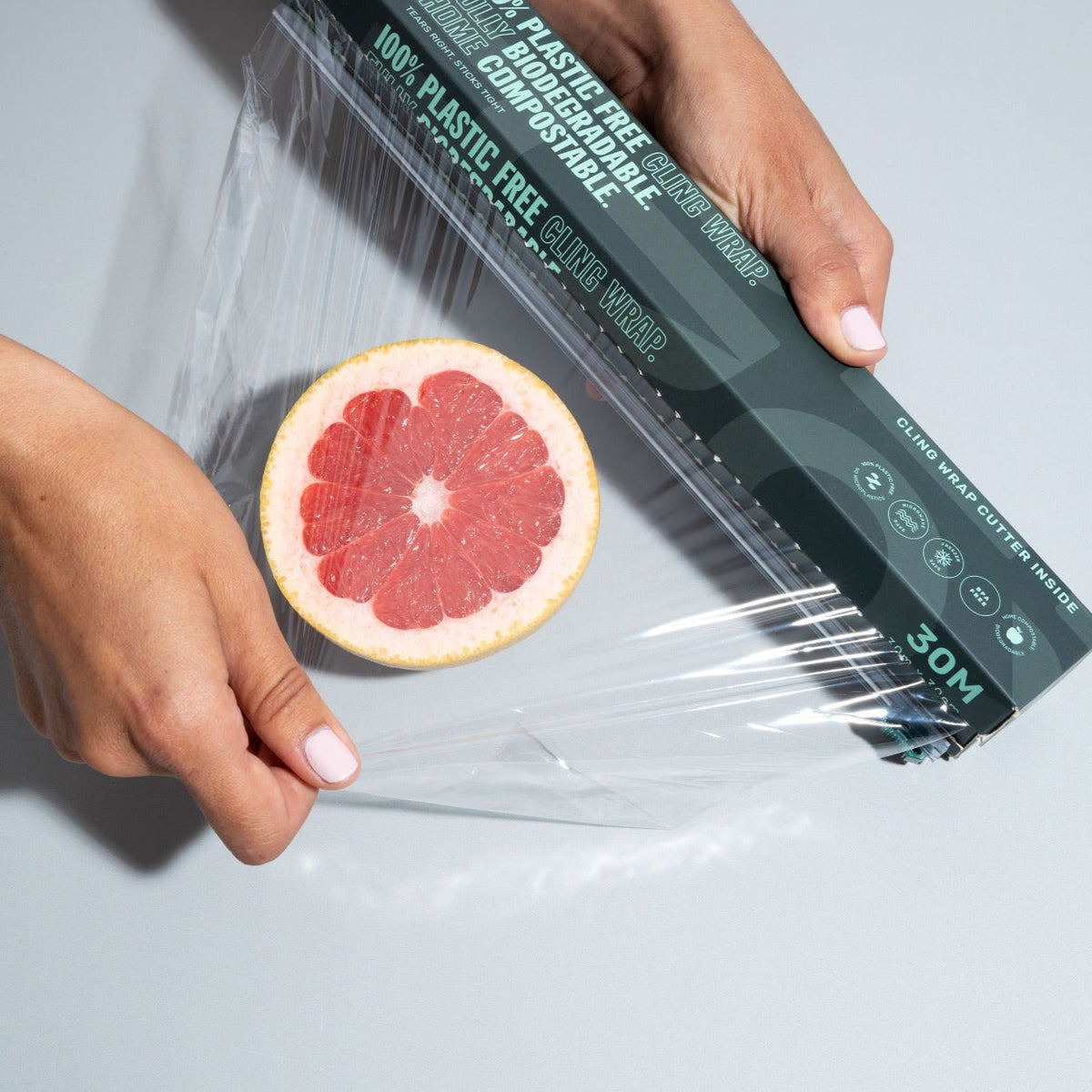
Eco-friendly food storage: the easy swaps for fridge, freezer and lunchbox
The ZERO guide to food storage with less plastic: start with cling film and zip-lock bags, then sort the fridge, freezer and lunchbox one drawer at a time.
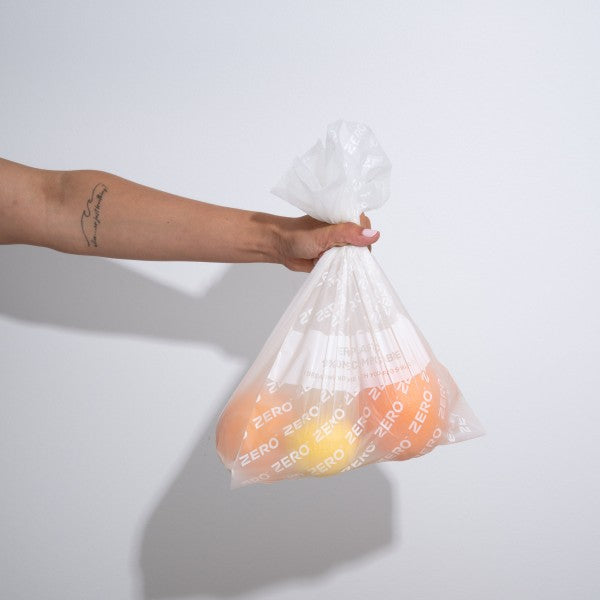
Compostable bags in landfill: why compost is where they belong
Compostable bags are designed for compost, not landfill. Here's why the bin you choose matters, and how to make sure your bags end up somewhere they can actually break down.