Glass, stainless steel, silicone bags and beeswax wraps cover almost every job in a kitchen, from fridge leftovers to freezer stock and packed lunches. The smartest approach is gradual: swap your highest-use plastic item first, fridge and freezer next, pantry last. The Zero Store’s plastic-free range makes each step easier without a full kitchen overhaul.


TL;DR:

  • Glass jars with headspace are the safest option for freezing liquids, requiring careful capacity management to prevent cracks.
  • Silicone bags and wraps are versatile, freezer-safe, and seal tightly, but may retain strong odors and require proper cleaning.
  • Replacing plastic items gradually, starting with the most-used product like cling film, leads to better long-term adherence and less waste.
  • Always verify that storage containers are certified food-grade, airtight, and rated for appropriate temperature ranges before purchase.
  • The Zero Store offers ready-made, certified plastic-free solutions like resealable bags, produce bags, and compostable wraps to facilitate easy swaps.

Table of Contents

What are the main plastic-free food storage options?

Glass jars do most of the heavy lifting. Borosilicate glass handles sudden temperature shifts better than standard glass, which matters if you’re moving something straight from freezer to oven. Wide-mouth jars are the most versatile shape going: they work for pantry staples, fridge leftovers, and freezing soups or stock with room to spare.

Stainless steel containers are the workhorses for lunchboxes and pantry storage. They’re light, they don’t shatter if dropped, and they don’t hold onto smells the way some plastics do. The catch is they’re not microwave-safe, so they suit packing and storing rather than reheating.

Silicone reusable bags and lids have become the practical stand-in for zip-lock bags and cling film. They flex to fit odd-shaped items, seal well, and go in the freezer without cracking. Beeswax wraps and their vegan alternatives (usually made with plant waxes and resin) mould around bowls and half-cut produce using the warmth of your hands, then wash in cool water and air-dry.

Hand sealing silicone bag and beeswax wrap on kitchen counter

For dry goods and produce, cloth bags and paperboard containers round out the set. Cloth bags breathe, which suits bread and vegetables that go soggy in sealed plastic. Valve-sealed canisters are worth knowing about too: airtight systems like the Airscape valve have been used for over 15 years to push excess air out of pantry containers before sealing, extending freshness for coffee, flour and grains.

A quick shortlist by format:

  • Glass jars: pantry, fridge, freezer (with headspace)
  • Stainless steel: lunchboxes, dry pantry goods, transport
  • Silicone bags/lids: freezer portions, covering bowls, sandwiches
  • Beeswax/vegan wraps: bread, cheese, cut fruit, bowl covers
  • Cloth bags: leafy greens, root veg, bulk dry goods
  • Valve canisters: coffee, flour, rice, long-term pantry storage

Which material suits which job, and where does each one fall short?

Glass wins on transparency and inertness. You can see what’s in it, it won’t leach flavours or chemicals into food, and it never scratches into a haven for bacteria the way worn plastic does. Chef-tested product roundups consistently rank glass among the top non-toxic storage picks, alongside stainless steel and quality silicone. The downside is obvious: drop it and it breaks. Freezing needs a technique, covered below.

Infographic comparing eco-friendly storage materials

Stainless steel is close to indestructible and stays odour-free over years of use, since non-porous materials resist stain and smell retention far better than most plastics. It’s not microwave or oven-friendly, and you can’t see the contents without opening the lid, which matters if you’re the type who forgets what’s at the back of the fridge.

Silicone bags are freezer-safe and squash flat for storage, but cheaper silicone can hold onto strong smells like curry or garlic. Wash with warm water and a splash of bicarb soda if that happens, and let bags air-dry fully inside out.

Beeswax and vegan wraps breathe, which is exactly why they’re wrong for raw meat. Use them for bread, cheese, cut produce and bowl covers, never for anything raw that needs a hard seal. Paperboard and plant-fibre containers compost well for single-serve use, but grease resistance and local composting infrastructure vary, so check what your council actually accepts before assuming it’ll break down in a home compost bin.

Pro Tip: If a wrap or bag starts smelling no matter how you wash it, it’s telling you something. Retire it to non-food use (wrapping plant pots, protecting tools) rather than fighting a losing battle with odour.

How do you choose the right container?

Run any product past these five questions before buying:

  1. Is it certified food-grade? Look for actual standards, not just a “food safe” sticker with nothing backing it.
  2. Does it seal airtight? Press the lid and tip it upside down in the shop if you can. A weak seal defeats the purpose in the fridge and freezer alike.
  3. What’s its temperature range? Confirm fridge, freezer and (if relevant) oven limits before you buy, not after something cracks.
  4. How durable and repairable is it? A lid you can replace separately beats a container you bin whole because one part failed.
  5. What’s the real lifecycle cost? A $15 jar that lasts a decade beats five $5 tubs that warp and stain within a year.

When checking a product page, look specifically for material composition, named certifications, and whether it states dishwasher, freezer and oven safety separately, since these don’t always overlap. A stated warranty is a good sign the maker expects the product to last.

Treat two claims as red flags. First, “biodegradable” with no standard attached. Genuine compostable claims reference a recognised standard; a vague green label on packaging doesn’t. Second, any plastic-free wrap or bag marketed as suitable for raw meat storage: breathable materials aren’t built for that job, and using them that way is a food-safety risk, not a sustainability win.

What’s the easiest way to start swapping out plastic?

Don’t try to replace everything in one weekend. Pick the single item you reach for most, usually cling film, and swap that first.

  1. Week one: replace cling film with a plate, a silicone lid, or a beeswax wrap for covering bowls and leftovers.
  2. Following weeks: retire one more disposable item a month, whether that’s zip-lock bags, plastic produce bags, or single-use wrap for sandwiches.
  3. Meal prep: use a glass meal-prep set for the fridge and silicone bags laid flat in the freezer for portioned meals, which stack far more efficiently than round tubs.
  4. Freezing technique: pre-freeze chopped fruit or dumplings on a tray before bagging them, so they don’t clump into one solid block.
  5. Reuse what you already own: jars from sauce or jam make free storage. Op shops and secondhand stores are a reliable source of cheap glass containers too.

Pro Tip: Keep one drawer as your “container home base.” Nothing gets put away outside that drawer, and nothing new comes in until something old is worn out or genuinely lost. It stops the slow creep of mismatched lids nobody can find.

Herbs and many vegetables last longer stored in a jar of water or wrapped in a damp cloth rather than sealed in plastic, which is a genuinely simple win most people never try.

How do you freeze in glass safely?

Freezing liquids in glass calls for headspace, roughly two to three centimetres between the food and the lid, since liquids expand as they freeze and a full jar can crack. Straight-sided jars are safer than narrow-neck ones because the contents can expand upward without pressing against a tapering wall.

  • Leave headspace before sealing, always
  • Use straight-sided jars for anything liquid or semi-liquid
  • Freeze uncovered first, then seal once solid, for jars prone to cracking
  • Check freezer-safe ratings; some lids (like certain IKEA glass container lids) aren’t rated for the same temperatures as the glass itself

Your fridge should sit between 0°C and 5°C to keep food safely chilled and extend how long stored items last, a range consumer food-safety guidance points to consistently. Never store raw meat in a breathable wrap; use a sealed glass or steel container instead. Repeated heating and freezing of certain plastics can increase fragmentation and microplastic release, which is one more reason glass and steel are worth the switch for anything that goes through that fridge-to-freezer-to-reheat cycle regularly.

Why trust this guide on eco friendly food storage?

This guide draws on peer-reviewed research on microplastic exposure, consumer testing bodies, and direct product specifications, cross-checked against what The Zero Store’s own range is built from and certified against.

  • The Zero Store’s cling wrap and resealable bags use bio-polymers including PLA, PHA and PBAT, chosen specifically to avoid the microplastic fragmentation issue linked to conventional plastic
  • Every product page lists material composition and certifications upfront, so you’re not guessing at a vague “eco” label
  • Further reading: glad wrap alternatives and storing vegetables without plastic go deeper on specific swaps covered briefly above

What actually changes when you swap out plastic

I didn’t overhaul my kitchen in a weekend, and I wouldn’t recommend trying. One swap a week is realistic; a full plastic purge in a day usually ends with half the new gear unused in a drawer. What worked was replacing cling film first, since it was the thing I reached for without thinking. Everything after that got easier, not because the swaps got simpler, but because the habit was already built. Imperfect progress, kept up, beats a perfect plan abandoned by week two.

— Damien

Ready-made plastic-free swaps from The Zero Store

The Zero Store exists so you don’t have to build your plastic-free kitchen from scratch, jar by jar, wrap by wrap. Three products cover the gaps that glass and steel can’t: on-the-go bags, breathable produce storage, and a genuine cling film replacement.

Resealable Food Storage Bags

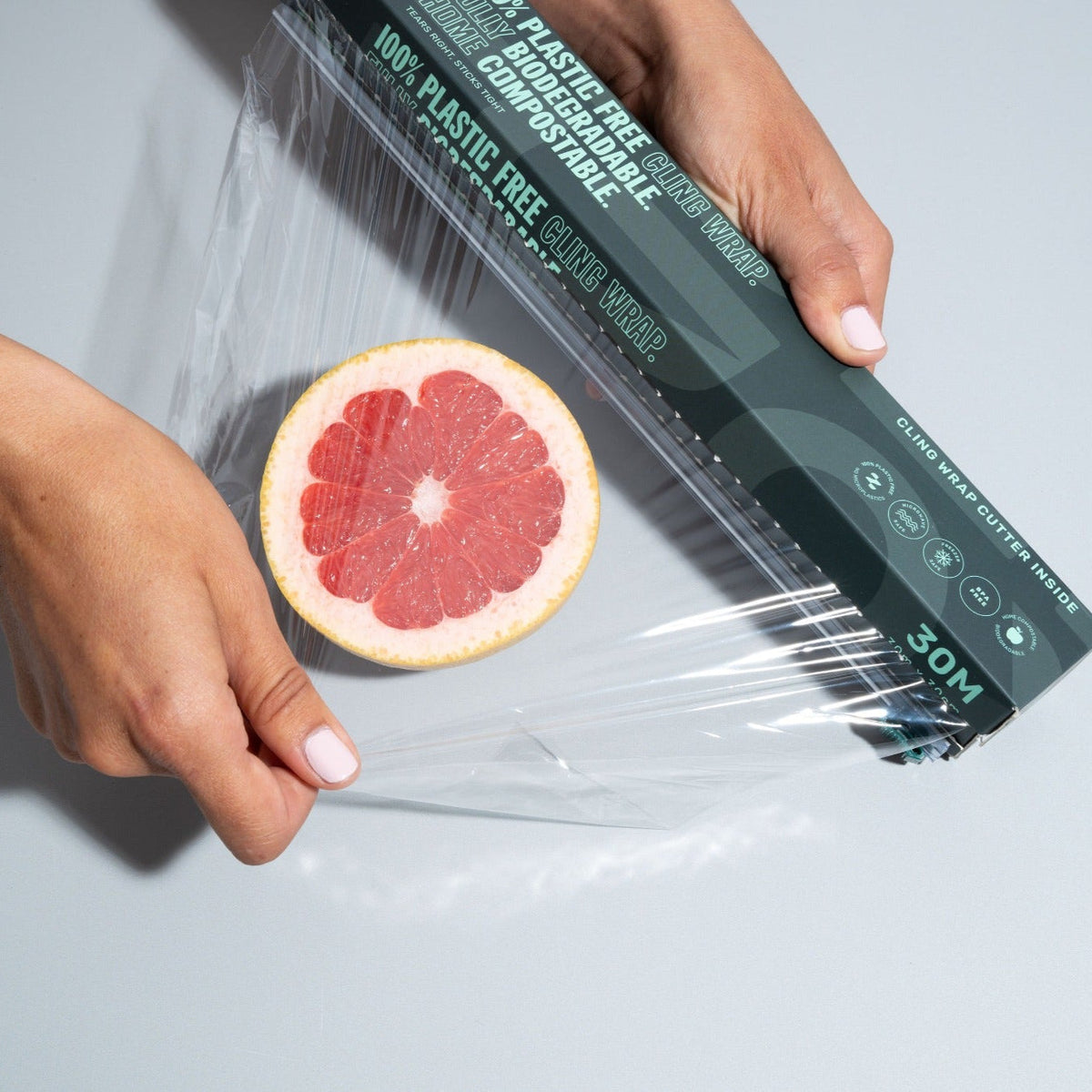
The resealable food storage bags are built for snacks and portioning, dishwasher-safe and reusable, so they handle the job zip-lock bags used to do without adding to landfill each week. The plastic free produce bags (sold in a two-pack) replace the single-use produce bags at the supermarket, letting vegetables breathe rather than sweat in sealed plastic. And the plastic-free cling wrap is a compostable, home-compostable alternative for covering bowls or wrapping half a loaf, the exact swap this whole guide points to first.

Start with whichever product matches the plastic you throw out most often this week, and check the product pages for full material specifications and certifications before you buy.

Resealable Food Storage Bags

Sources

This guide draws on consumer food-safety guidance, peer-reviewed research and product-specific technical notes rather than general opinion. For deeper reading:

If you’re setting up a pantry system with valve canisters, Esprit Kaffe’s guide to storing whole beans and D&K Bean and Leaf’s coffee storage tips both cover airtight storage principles that apply well beyond coffee.

Latest Stories

This section doesn’t currently include any content. Add content to this section using the sidebar.